Bologna Walking Tours: Worth It in 2026?
Wondering if Bologna walking tours are worth it? We cover free vs paid options, top landmarks, prices, and what guides actually show you. Plan smarter in 2026.

On this page
Bologna Walking Tours: The Honest Verdict
Bologna does not get the same tourist attention as Rome or Florence, yet its medieval streets, UNESCO-listed porticoes, and two leaning towers reward close-up exploration. A walking tour is often the fastest way to unlock what makes the city tick. Whether you have half a day or a full afternoon, guided walks here cover ground that most visitors miss entirely.
⚡ Tour Verdict quick take: Wondering if Bologna walking tours are worth it? We cover free vs paid options, top landmarks, prices, and what guides actually show you. Plan smarter in 2026.
This guide gives you an honest look at Bologna walking tours: what they cover, how free compares to paid, and whether the money or time is genuinely worth spending.
Last updated June 2026.
Free: The Bologna Essentials guide
Top things to do, where to stay, a perfect day plan, getting around, and the best time to go — a Bologna mini-guide you can take offline.
Are Bologna Walking Tours Worth It?
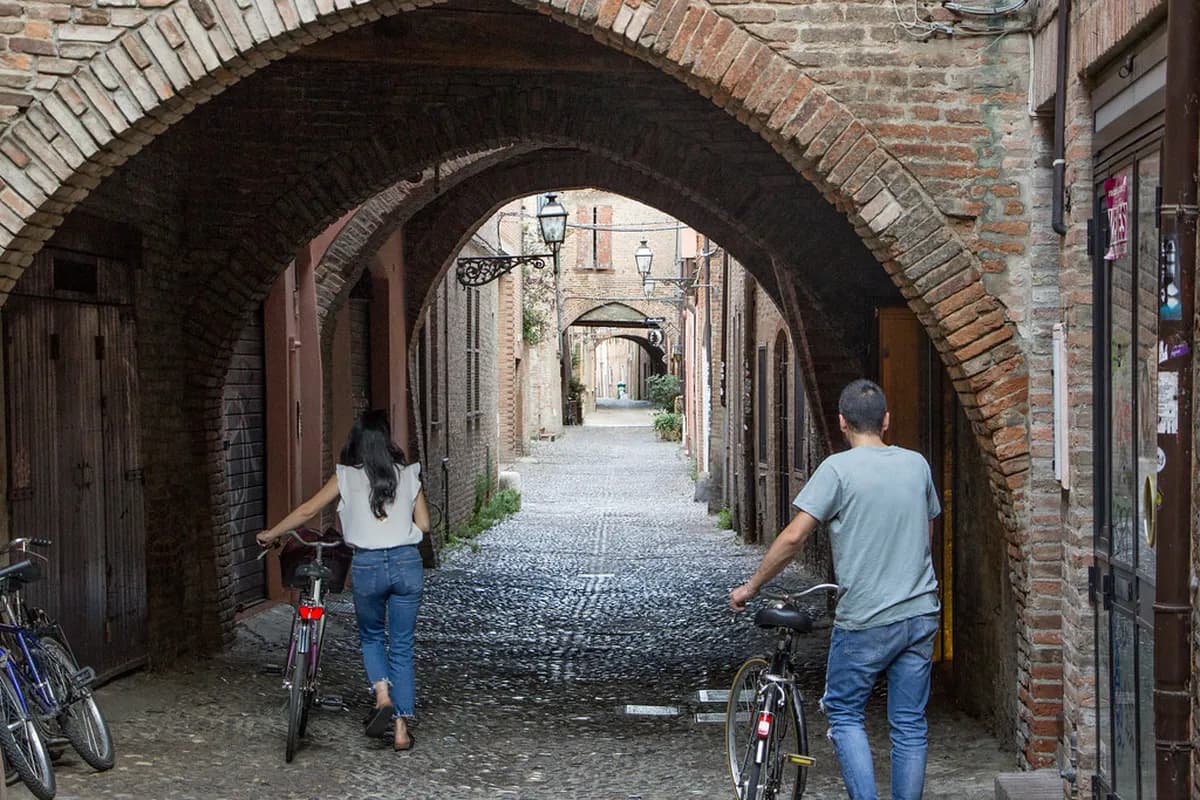
Bologna is a layered city where the visual clues — crumbling terracotta archways, centuries-old student graffiti, and the tilt of the Garisenda tower — only make sense with context. A good guide turns those clues into a story. Without one, it is easy to walk under the porticoes for an hour and leave without understanding why they exist or why Bologna earned its UNESCO recognition for them.
For first-time visitors, the verdict leans strongly toward yes. The city's medieval grid is compact, but its logic — communal trade routes, guild territories, the oldest university in Europe — is genuinely hard to read from a map alone. Guided walks consistently surface details that a solo stroll, even with a great guidebook, tends to miss. That gap is what justifies the cost.
Repeat visitors or travelers who have already covered the main squares may find less new ground. At that point, a specialist tour — food, photography, or Bologna food tours focused on the Quadrilatero market — often delivers better return than a general walking route.
Free vs Paid Bologna Walking Tours
Bologna's free walking tours run on a tip model: you join, walk for two to three hours, and pay what you feel the experience was worth at the end. Most visitors tip between €10 and €15 per person, which puts the real cost in a similar range to budget paid tours. The difference is not really the price — it is the experience format.
Free tours tend to run larger groups, sometimes 20 or more people, and cover the headline spots at a brisk pace. You get solid orientation and a confident delivery of the city's main story, but deep dives into side streets or niche topics are rare. They are hard to beat for same-day decisions or travelers on tight budgets. Check out the Bologna free walking tour options if that format suits your trip.
Paid tours typically cap groups at 8 to 15 people, which makes a measurable difference in a city where the porticoes narrow quickly. Smaller groups allow guides to adapt on the fly — ducking into a medieval courtyard, pausing for questions, or taking an unmarked detour through the university quarter. The added flexibility is the core reason the paid format earns its premium for most visitors.
A few paid tours also include extras: a complimentary spritz, a stop at a salumeria, or skip-the-line access to the Asinelli tower climb. Those additions shift the experience from orientation to memory-making, which is a different value proposition entirely.
What to Expect on a Bologna Walking Tour
Most Bologna walking tours start at Piazza Maggiore, the civic heart of the city, before threading north toward the Due Torri — the iconic two medieval towers that mark the eastern edge of the historic center. The route usually covers between two and four kilometers over two to three hours, much of it sheltered under the porticoes. That covered walkway network stretches roughly 40 kilometers across the city and keeps tours comfortable even in summer heat or light rain.
The university quarter, centered on Via Zamboni and the Archiginnasio, appears on most routes because it carries the densest concentration of historical stories. Guides typically walk visitors past the anatomical theatre inside the Archiginnasio, the oldest purpose-built university building in the world, and explain how Bologna's student culture shaped the city's layout and laws across nine centuries. That context transforms what looks like an ordinary street into something genuinely surprising.
Expect a mix of open-square pauses and narrow-lane detours. The best guides balance landmark checkboxes with moments that feel unscripted. Groups rarely spend more than a few minutes at any single spot, so the pace stays brisk without feeling rushed.
Top Spots Covered on Bologna's Walking Routes
Most Bologna walking routes return to the same core landmarks, and for good reason: they are the buildings and squares that encode the city's identity most clearly. Knowing what to look for at each stop makes the experience far richer than simply ticking them off a list.
- Piazza Maggiore and the Basilica of San Petronio
- The unfinished marble facade of San Petronio is one of Bologna's most discussed architectural puzzles.
- Guides explain why it was never completed and how the square served as the city's commercial and political centre for centuries.
- The Neptune Fountain at the piazza's north end is a favourite photo stop and carries its own story about Counter-Reformation censorship.
- The Two Towers (Asinelli and Garisenda)
- Bologna once had more than 100 medieval towers built by rival noble families as symbols of power and wealth.
- Only a handful survive, and the Asinelli and Garisenda are the most visible pair — both lean, and the Garisenda leans more than the Tower of Pisa.
- Guides usually offer the historical rivalry context here, and some paid tours include the 498-step climb up the Asinelli for panoramic views.
- The Archiginnasio and University Quarter
- Founded in 1088, the University of Bologna is considered the oldest continuously operating university in the western world.
- The Archiginnasio building, now a public library, contains an anatomical theatre where dissections were once performed for medical students.
- Walking tours through Via Zamboni reveal centuries of student life etched into the buildings, from carved coats of arms to faded lecture notices.
- Quadrilatero Market District
- The Quadrilatero sits just east of Piazza Maggiore and follows the street grid of ancient Roman Bologna.
- Market stalls and specialty food shops occupy the same narrow lanes they have for generations, selling mortadella, fresh pasta, and aged Parmigiano-Reggiano.
- Tours that include this area often double as food introductions, and many operators run dedicated food and bike extensions starting from the same streets.
- Santo Stefano Basilica Complex
- Also called the Seven Churches, this interconnected set of medieval buildings is one of the most atmospheric spots in the city.
- The complex includes an open cloister, a Lombard basin said to be where Pontius Pilate washed his hands, and layered stonework spanning multiple centuries.
- It appears on fewer tour itineraries than the towers, which makes it a good differentiator when comparing operators.
Practical Tips Before You Book
Morning tours, particularly those starting between 9 and 10 AM, offer the most comfortable conditions for walking. The porticoes provide shade and shelter throughout the day, but the open squares heat up quickly from late morning onward in July and August. Autumn and spring are generally the most pleasant seasons for a walking tour, with fewer crowds and milder temperatures. Winter tours are quieter and often more affordable, though some operators reduce frequency outside peak season.
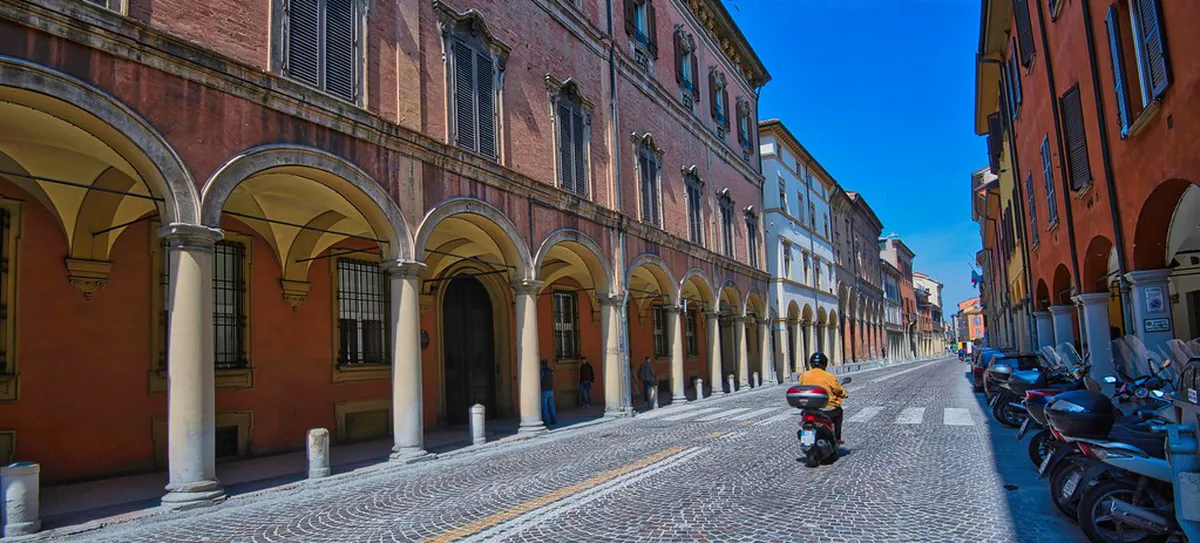
Comfortable, flat-soled shoes matter more in Bologna than in many other Italian cities. The portico floors are often uneven cobblestone or worn marble, and a two-hour walk over rough surfaces in sandals gets uncomfortable quickly. Closed shoes with grip are the practical choice, especially after rain.
For popular private tours, booking two to three days in advance is a reasonable buffer during spring and summer. Group-size limits on quality paid tours mean slots genuinely fill up, and last-minute options often default to larger free-tour groups. If your schedule allows for a half-day extension, pairing a walking tour with day trips from Bologna to Modena or Ferrara makes for a well-rounded itinerary. Bologna's central train station puts both cities within 30 minutes.
Travelers planning more than one activity should note that a walking tour pairs cleanly with a cooking class in the afternoon, since most tours end near the Quadrilatero market. Checking out Bologna cooking class options alongside your tour booking is worth the extra few minutes of planning.
How Much Do Bologna Walking Tours Cost?
Free tip-based tours are technically zero up front. In practice, most participants tip €10–15 per person at the end, putting the effective cost in line with the lower end of paid options. Group sizes on free tours regularly exceed 20 people, so the experience you are paying for differs significantly from what the price tag suggests.
Small-group paid tours — the most common format — typically run €20–35 per person for a two-to-three-hour walk. The price usually reflects group-size caps (8–15 people) and whether the tour includes an extra like a Quadrilatero market tasting or a spritz stop. Tours that combine walking with a Bologna food and bike experience sit at the higher end, generally €45–65, because they layer a food tasting component on top of the route.
Private tours cost considerably more: expect €80–150 for a two-person booking, depending on duration and whether the guide arranges skip-the-line Asinelli tower tickets (tower entry itself is around €5 per person). The private format makes sense for travelers on short stopovers who cannot afford to match a large group's pace, or for anyone who wants to structure the route around a specific interest like architecture or medieval history.
| Tour Format | 2026 Cost (per person) | Duration | Group Size | Extras Included | Best For |
|---|---|---|---|---|---|
| Free tip-based | €0 up front (tip €10–15) | 2–3 hours | 20+ people | — | Same-day decisions; tight budgets; orientation |
| Small-group paid | €20–35 | 2–3 hours | 8–15 people | Market tasting or spritz stop (some operators) | First-time visitors wanting depth & pace control |
| Food & bike combo | €45–65 | — | — | Food tasting component | Travelers wanting a combined walking & food experience |
| Private tour | €80–150 (2-person booking) | — | — | Skip-the-line Asinelli tower tickets (optional; tower entry ~€5 pp) | Short stopovers; architecture or history-focused itineraries |
Frequently Asked Questions
How long do Bologna walking tours typically last?
Most Bologna walking tours run between two and three hours. Free tip-based tours tend toward the shorter end, while small-group paid tours with extra stops — like a tower climb or a market tasting — can extend to three and a half hours. Check the listed duration before booking if your schedule is tight.
Are Bologna walking tours suitable for children?
Yes, most tours are family-friendly, though the pace and content vary by operator. Look for tours that explicitly mention families or flexible routes, as the standard two-to-three-hour walk involves a fair amount of standing and listening. Children who enjoy history and architecture tend to stay engaged; very young children may find the duration tiring.
What is the difference between a free and paid walking tour in Bologna?
Free tours run on tips and often attract larger groups, which works well for orientation but limits flexibility. Paid tours cap group sizes, allow more time at each stop, and sometimes include extras like tower access or tastings. The per-person cost often ends up similar once you factor in a fair tip on the free option.
Do I need to book a Bologna walking tour in advance?
For private and small-group tours, booking two to three days ahead is advisable during spring and summer. Free tours generally accept walk-ins, but popular meeting points can fill up. Off-season travel gives more flexibility, but some operators reduce their schedule between November and February.
Can I combine a Bologna walking tour with a food experience?
Easily. Many operators combine walking and tasting in a single itinerary, and the Quadrilatero market district — a standard stop on most routes — sits next to several food tour operators. Booking a separate Bologna wine tour or cooking class on the same day makes efficient use of a short stay in the city.
Bologna walking tours earn their place for most first-time visitors. The UNESCO porticoes, medieval towers, and nine-century-old university district are more interesting with a guide than without — and the city's compact size means two to three hours on foot covers the essentials without fatigue.
Free tip-based tours are a solid choice for quick orientation, while paid small-group formats suit travelers who want depth, pace control, and smaller crowds. Either way, the walk itself is the point: Bologna is a city built for pedestrians, and its streets reward attention.
If walking tours are just the start of your Bologna plans, explore Bologna adventure tours for active options or browse the best day trips from Bologna to round out your itinerary with nearby cities.
Free: The Bologna Essentials guide
Top things to do, where to stay, a perfect day plan, getting around, and the best time to go — a Bologna mini-guide you can take offline.
Plan the next decision
Continue reading
More independent guides you'll find useful