Budapest Food Tours: Worth It in 2026?
Are Budapest food tours worth the money in 2026? We break down prices, what's included, tour types, and who gets the most value. Read before you book.

On this page
Budapest Food Tours: Our Honest Verdict for 2026
Last updated June 2026.
Budapest has quietly become one of Europe's most compelling food cities. The Hungarian capital pairs hearty Central European traditions with an affordable dining scene that still surprises first-time visitors. A guided food tour is one of the fastest ways to move past tourist-trap restaurants and reach the places locals actually choose.
⚡ Tour Verdict quick take: Are Budapest food tours worth the money in 2026? We break down prices, what's included, tour types, and who gets the most value. Read before you book.
Food tours here range from quick two-hour market walks to full evening tasting crawls through the Jewish Quarter and ruin bars. Prices in 2026 generally fall between €35 and €85 per person, depending on duration and inclusions. Before you hand over your credit card, our team at Tour Verdict has broken down what you actually get — and where the value holds up.
Free: The Budapest Essentials guide
Top things to do, where to stay, a perfect day plan, getting around, and the best time to go — a Budapest mini-guide you can take offline.
Key Takeaways
- Midrange Budapest food tours priced €45–€65 with groups under 12 offer the best value and depth.
- Book morning tours to see the Great Market Hall at its most active; evening tours suit those who want ruin-bar atmosphere included.
- Arrive genuinely hungry and read the full itinerary before booking — vague listings often signal commercial padding.
- Vegetarians and dietary-restricted travelers get the most flexibility from private tour formats.
- Pairing a food tour with a wine tour or cooking class on separate days gives the most complete picture of Hungarian culinary culture.
What Budapest Food Tours Actually Cover
Most Budapest food tours center on three or four neighborhoods: the Jewish Quarter, the Great Market Hall area, and the inner districts around Váci Street. The Jewish Quarter is the most rewarding stop, with its layered food culture of traditional Hungarian Jewish cooking, ruin-bar snacks, and modern street food stalls. The Great Market Hall on Fővám tér is an essential stop for seeing where Budapestians actually shop, even if the upper floor has become more tourist-facing.
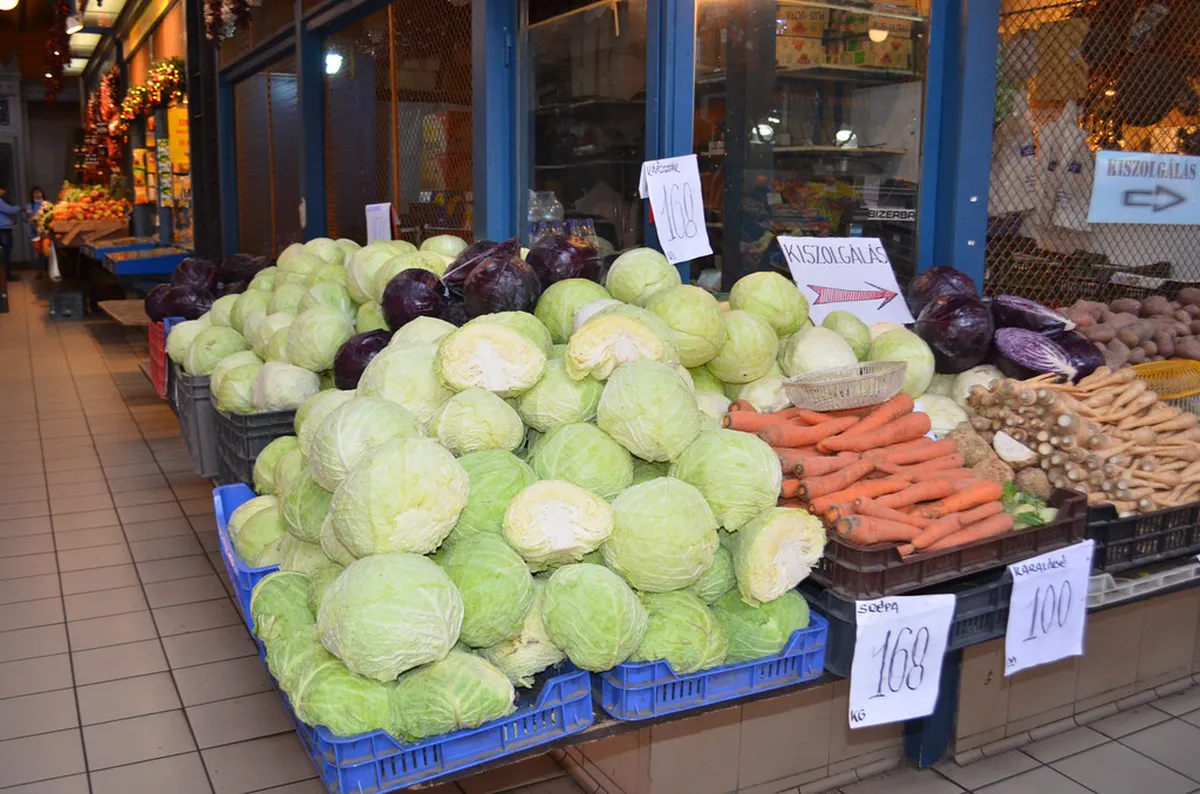
A well-run tour will include six to ten tasting stops across its duration, mixing savory and sweet. Expect a bowl of goulash soup — which is thinner and brothier here than most visitors expect from the name — alongside a slice of lángos fried in oil, topped with sour cream and cheese. Good guides will also explain the difference between what tourists see in the market stalls and what Hungarians eat at home, which is often more interesting.
The best tours go beyond food and use each stop as a launchpad for neighborhood history. You will hear about the ruin-bar movement that transformed bombed-out courtyards into cultural venues starting in the early 2000s, and why Kazinczy Street still anchors Jewish Quarter identity today. That historical depth is part of what separates a food tour from simply eating your way down a street.
Types of Budapest Food Tours in 2026
Budapest food tours split into several distinct formats, and the right choice depends on your pace, group, and budget. Street food walks are the most common and accessible option, typically running two to three hours in the morning or early afternoon. Evening tasting tours lean more heavily on wine, palinka (Hungarian fruit brandy), and bar culture, making them better suited to travelers who want the full nighttime atmosphere alongside their food.
Private tours cost more — usually €70 to €120 per person — but allow custom dietary adjustments and flexible pacing. Group tours with eight to twelve participants often deliver better energy and more spontaneous conversation between guides and guests. Cooking class hybrids are also available: these pair a market shopping stop with a hands-on session where you prepare goulash or stuffed peppers before eating what you made.
- Street food walk (morning)
- Duration is typically two to three hours in the morning.
- Stops include market halls, street vendors, and local bakeries.
- Best for first-time visitors who want a broad tasting overview.
- Prices generally range from €35 to €55 per person in 2026.
- Evening tasting and bar crawl
- Duration runs three to four hours starting around 6pm.
- Combines Hungarian wine, palinka, and ruin-bar snacks.
- Best for travelers who enjoy nightlife alongside their food experience.
- Prices tend to fall between €55 and €75 per person.
- Private custom food tour
- Duration and itinerary are flexible based on your preferences.
- Accommodates dietary restrictions and solo or couple bookings well.
- Best for travelers with specific food interests or limited mobility.
- Prices typically start at €70 per person and rise with group size.
- Market tour and cooking class combo
- Duration spans four to five hours including market shopping and cooking.
- You shop for ingredients at the Great Market Hall and then cook a meal.
- Best for food enthusiasts who want hands-on cultural immersion.
- Prices generally range from €75 to €100 per person.
Our Verdict: Are Budapest Food Tours Worth It?
For most visitors, yes — Budapest food tours clear the value bar by a solid margin compared to equivalent experiences in Prague or Lisbon. The combination of low local prices and genuinely interesting culinary history means a well-chosen tour delivers more context per euro than in cities where the food is already globally familiar. The caveat is that tour quality varies significantly, and the cheapest options sometimes cut corners on stop count or guide knowledge.

Group size is the most important variable after price. Tours capped at ten participants give guides enough time to explain each dish properly and answer questions without rushing the group. Larger tours of fifteen or more can feel like a conveyor belt, especially at the Great Market Hall where stalls get crowded quickly in peak season.
The honest cons: some tours include stops at restaurants that pay for placement rather than merit, and the lángos at tourist-facing stalls is often worse than what you would find at a standalone street vendor for half the price. We also found that the palinka tastings on evening tours can feel rushed, with guides handing out samples without context about distillation regions or producer types. These are correctable by choosing operators with independently verified reviews and clear itineraries published before booking.
Our overall assessment puts midrange Budapest food tours — €45 to €65, group size under twelve, Jewish Quarter-anchored — as the sweet spot for value and experience depth. If you are already planning to explore the city on foot, pairing a food tour with a Budapest walking tour on the same day covers the city's history and cuisine efficiently without doubling your transportation time.
What You'll Eat: Dishes and Drinks to Expect
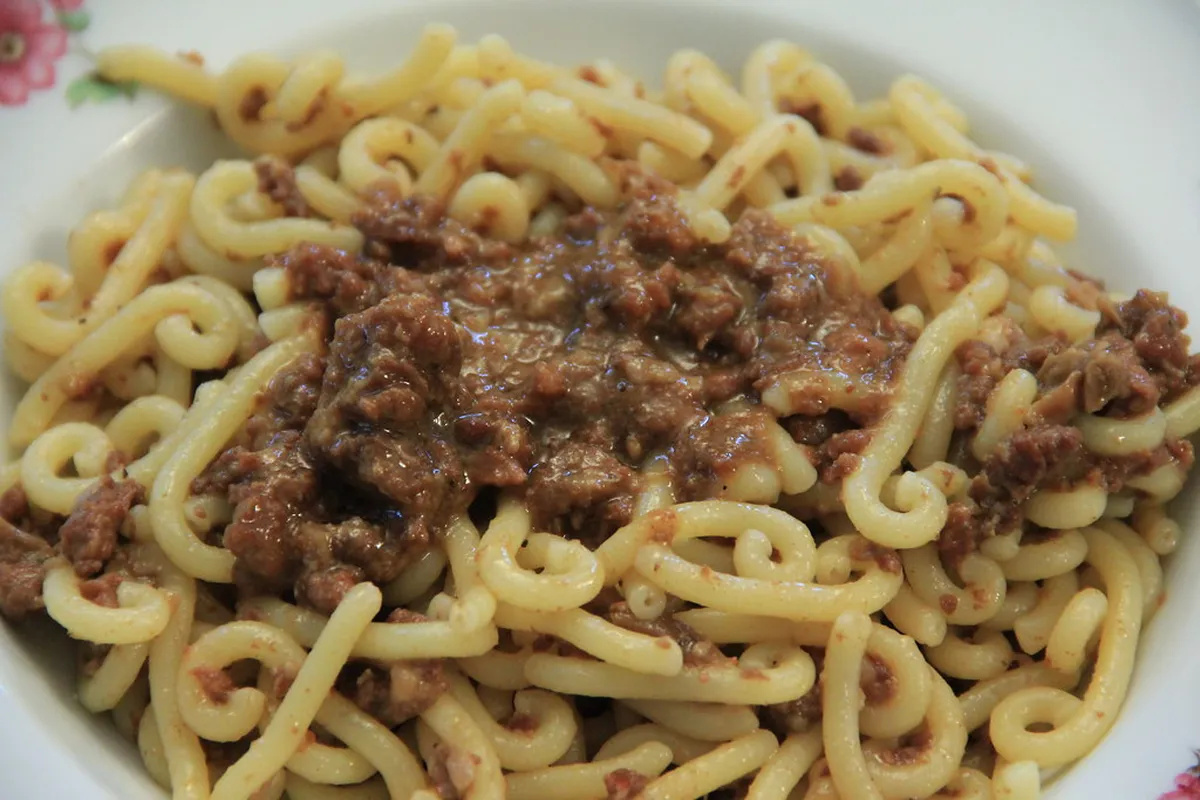
Hungarian cuisine is more varied than the goulash-and-paprika shorthand most visitors arrive with. Expect to encounter dishes like gulyásleves (goulash soup), halászlé (fisherman's broth from the Danube catchment), and főzelék, a thick vegetable stew that barely gets exported beyond Hungary's borders. The sweet side of the tour often includes rétes (strudel with sour cherry or poppy seed), kürtőskalács (chimney cake cooked over charcoal), and túró rudi, a chocolate-coated quark bar that Hungarians defend with genuine pride.
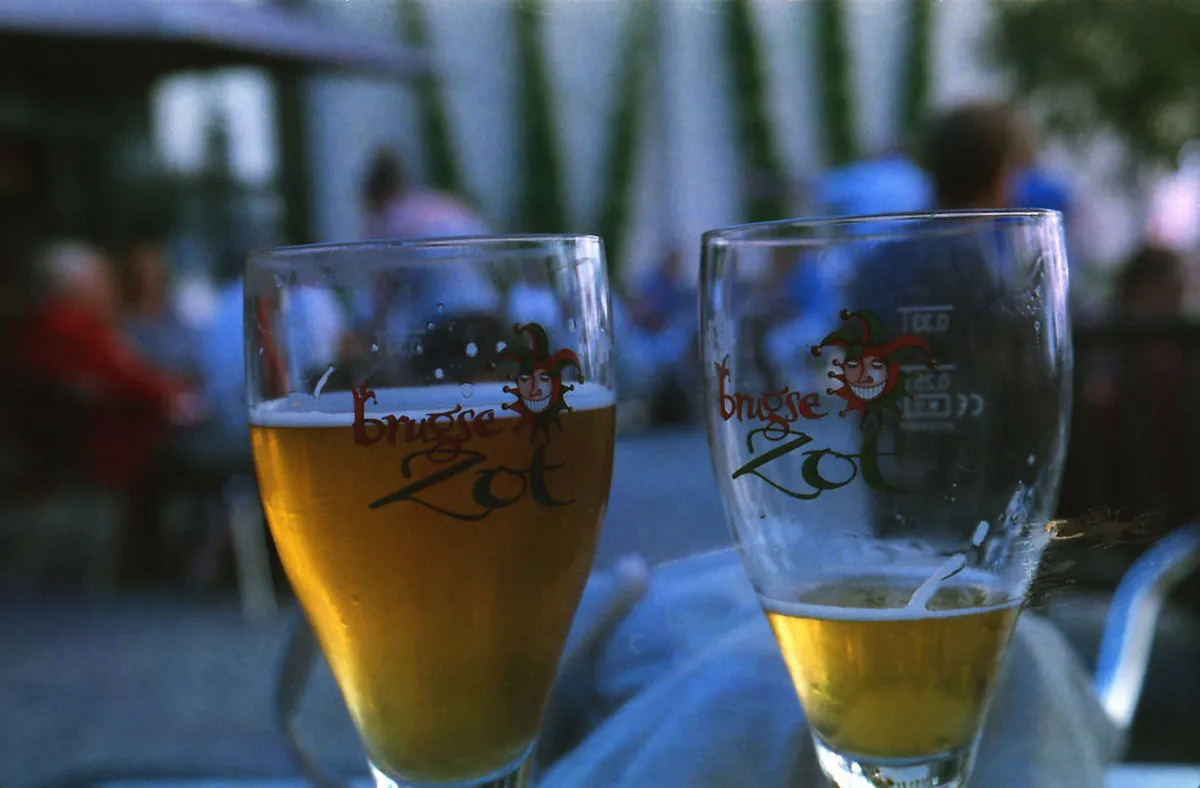
On the drinks side, most tours include at least one palinka tasting, typically apricot or plum, and a pour of Tokaj wine or Egri Bikavér (Bull's Blood) red. Craft beer has also become a serious part of Budapest's food scene, and some tours now include a stop at a local brewery or craft bottle shop. Asking in advance whether a tour includes wine or only palinka is worth doing if you have preferences — some evening tours lean heavily on spirits.
Dietary restrictions are manageable but require advance notice. Vegetarian travelers can usually swap the meat-based stops for an expanded pastry and cheese focus, but vegan options are still limited by Hungarian culinary tradition. Gluten-free visitors will find the most challenging stops at market stalls where fried dough is central, so private tour formats tend to work better for strict dietary needs.
Tips for Booking Budapest Food Tours
Book at least three to five days ahead between June and September, when the most-reviewed operators sell out their smaller group-size slots first. Morning tours — typically starting at 10am or 11am — tend to show the Great Market Hall at its most active and give you the afternoon free for independent exploration. Evening tours are popular for travelers arriving on short city breaks who want to combine food with atmosphere after checking in.
Read the itinerary before booking, not just the headline price. The best operators publish a clear list of neighborhood stops, approximate tasting count, and whether drinks are included or optional. Vague itineraries that promise 'authentic local experiences' without specifics are a signal to look elsewhere. Meeting point logistics also matter: some tours start near busy tram stops that can be confusing for visitors navigating Budapest for the first time, so check the confirmation email carefully.
Travelers who want to extend their Budapest food experience beyond a single tour can explore the Budapest wine tour options for a dedicated evening tasting focused on Tokaj and other Hungarian wine regions. Pairing a food tour with a Budapest cooking class on a separate day gives you both the street-level context and hands-on preparation skills.
Getting the Most From Your Food Tour
Arrive genuinely hungry — ideally having skipped breakfast or kept it very light. Most food tours include enough food to constitute a full meal when spread across six to eight stops, but the experience works best when you are actually tasting rather than pushing through fullness from a hotel breakfast buffet. Wearing comfortable shoes matters more than most tour listings mention: a three-hour Jewish Quarter walk covers three to four kilometers on cobblestones and uneven pavement.
One move that consistently improves food tours is asking your guide which stops are optional add-ons versus core inclusions. Some operators pad tours with souvenir shops or wine bars that are commercial partners, and a good guide will tell you honestly if something is paid placement. Knowing this lets you spend your limited appetite — and attention — on the stops that actually matter.
Resist the instinct to photograph every dish before tasting it. Guides time their explanations around the moment food arrives, and the context delivered in that window is often the most valuable part of the stop. Save photography for the market hall interiors and street scenes, where the visual composition is stronger anyway.
After your tour, the neighborhoods you have just walked become navigable on your own terms. Many visitors find that a food tour is the most efficient orientation to a new city because it anchors geography in memory through taste and smell rather than abstract map-reading. Returning to a stall you visited on a tour — on your own, the next day — and ordering without the group around you is a small pleasure that the tour itself sets up perfectly.
Getting to Your Food Tour: Budapest Transport Basics
Almost all Budapest food tours start in one of two areas: around the Great Market Hall (Fővám tér) on the Pest side, or in the Jewish Quarter near Kazinczy Street. Both are straightforward to reach on public transit. A 24-hour BKK transit pass costs 2,500 HUF (roughly €6.50) and covers metro, tram, and bus — worth it over single tickets at 450 HUF each if you are making multiple moves in a day.
For the Great Market Hall, Tram 2 runs along the Danube embankment and stops directly at Fővám tér — it is faster and more scenic than the metro from central Pest. For the Jewish Quarter, Metro Line 2 (red line) stops at Blaha Lujza tér, a 10-minute walk to Kazinczy Street; alternatively, any tram on Király Street drops you closer. From Buda (Castle District side), cross via the Liberty Bridge on Tram 19 or 41 and transfer to Tram 2 on the Pest embankment.
Taxis and rideshare apps (Bolt is dominant here) run roughly 1,200–2,000 HUF for a city-centre trip. Most food tour meeting points are also within a 15-minute walk of each other, so arriving early and walking between neighborhoods on foot is practical once you have oriented with a map.
| Tour Type | Duration | 2026 Price (per person) | What's Included | Best For |
|---|---|---|---|---|
| Street food walk (morning) | 2–3 hours | €35–€55 | Market halls, street vendors, local bakeries | First-time visitors who want a broad tasting overview |
| Evening tasting & bar crawl | 3–4 hours | €55–€75 | Hungarian wine, palinka, and ruin-bar snacks | Travelers who enjoy nightlife alongside their food experience |
| Private custom food tour | Flexible | From €70 per person | Custom itinerary; accommodates dietary restrictions | Travelers with specific food interests or limited mobility |
| Market tour & cooking class combo | 4–5 hours | €75–€100 | Great Market Hall shopping plus hands-on cooking session | Food enthusiasts who want hands-on cultural immersion |
Frequently Asked Questions
How much do Budapest food tours cost in 2026?
Most Budapest food tours price between €35 and €85 per person in 2026, depending on duration, group size, and inclusions. Morning street food walks sit at the lower end, while evening tasting tours with wine and palinka included run closer to €65 to €85. Private tours start higher, usually from €70 per person.
Are Budapest food tours suitable for vegetarians?
Most Budapest food tours can accommodate vegetarians with advance notice, though Hungarian cuisine is traditionally meat-heavy. Guides typically substitute meat stops with pastry, cheese, or vegetable-forward dishes like főzelék. Private tours offer the most flexibility. Inform your operator at the time of booking rather than on the day.
How long does a typical Budapest food tour last?
Most standard Budapest food tours run two and a half to three hours and cover between six and ten tasting stops. Cooking class combos and evening tasting crawls typically run longer, from three and a half to five hours. Check the operator's listed duration carefully, as some budget tours cut itinerary stops to shorten runtime.
What is the best time of year for a Budapest food tour?
Spring (April to May) and early autumn (September to October) offer the best conditions for outdoor food tours in Budapest — mild temperatures, fewer peak-season crowds, and seasonal produce like stone fruits and new-harvest wines. Summer tours are busier and hotter but give access to fresh market stalls at full capacity. Consider best day trips from Budapest alongside a food tour during shoulder season for a fuller itinerary.
Do Budapest food tours include drinks?
Drink inclusions vary by tour type. Many standard food tours include one or two palinka shots and a wine pour as part of the tasting lineup. Evening tours typically include more drink stops than morning walks. Always check the tour description — some operators list drinks as optional extras with an added cost rather than built-in inclusions.
Budapest food tours consistently deliver strong value for visitors willing to choose carefully rather than booking the first result they find. The city's food culture rewards curiosity — there is real depth here beyond goulash and chimney cake, and a knowledgeable guide unlocks it faster than solo exploration would.
Our recommendation is to target tours capped at twelve participants, anchored in the Jewish Quarter, and priced in the €45 to €65 range for a morning walk. Evening tasting tours are worth upgrading to if you want the ruin-bar atmosphere included in the experience. Either way, arriving hungry and leaving behind preconceptions about Central European food will make the difference between a good tour and a genuinely memorable one.
If you want to extend your Budapest food journey, the city's range of culinary experiences goes well beyond a single tour. Exploring the Budapest adventure tours options or combining your visit with a day trip from Budapest into the Hungarian countryside adds regional food context that no city-based tour can replicate.
Planning Tours in Other European Cities?
Tour Verdict reviews guided experiences right across Europe. If Budapest is one stop on a bigger trip, here are our honest worth-it verdicts for other foodie and culture capitals worth booking:
- Krakow Food Tours — worth-it picks for pierogi & the Old Town.
- Ljubljana Food Tours — worth-it picks for farm-to-table Slovenia & Lake Bled.
- Tallinn Food Tours — worth-it picks for a medieval Old Town & Baltic cuisine.
Free: The Budapest Essentials guide
Top things to do, where to stay, a perfect day plan, getting around, and the best time to go — a Budapest mini-guide you can take offline.
Plan the next decision
Continue reading
More independent guides you'll find useful