Bologna Food Tours: Worth It? 2026 Guide
Are Bologna food tours worth booking in 2026? We cover what's included, honest pros and cons, pricing, and who should book. Find the right tour here.
On this page
Bologna Food Tours: Our Honest 2026 Verdict
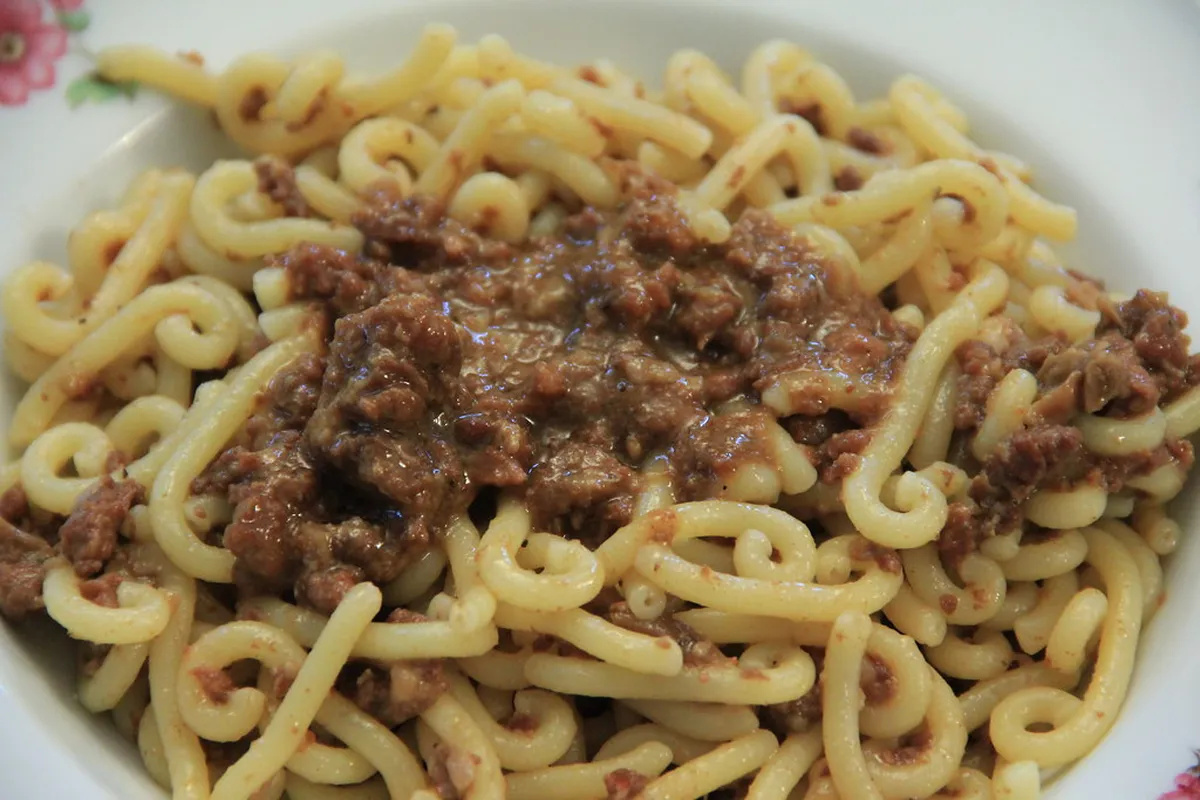
Bologna earns the nickname La Grassa — "the fat one" — for good reason. This northern Italian city is home to tagliatelle al ragù, mortadella, Parmigiano-Reggiano, and some of the most concentrated food culture in all of Europe. A guided food tour is one of the fastest ways to move past the tourist surface and into the real thing.
⚡ Tour Verdict quick take: Are Bologna food tours worth booking in 2026? We cover what's included, honest pros and cons, pricing, and who should book. Find the right tour here.
The tours range from casual market tastings to full Bologna cooking classes where you make the pasta yourself. Prices in 2026 span roughly €25 for a budget walking tour up to €160 for a half-day cooking and tasting experience. Our verdict: for most visitors, a mid-range guided food tour is genuinely worth the money — but the right choice depends on your travel style and budget.
Last updated June 2026.
Free: The Bologna Essentials guide
Top things to do, where to stay, a perfect day plan, getting around, and the best time to go — a Bologna mini-guide you can take offline.
Key Takeaways
- Bologna is Italy's most concentrated food city, making guided tours here more substantive than in most other destinations.
- Mid-range tours (€60–90, 2–3 hours) are the sweet spot for most visitors; cooking class combos (€100–160) deliver the most lasting value.
- Standard tours skew heavily toward cured pork and dairy — vegetarians and those with dietary restrictions should contact providers before booking.
- Book at least one week ahead in peak season (April–June, September–October) as small-group slots fill fast.
- Pair a morning food tour with an afternoon day trip to Parma or Modena for a fuller taste of the Emilia-Romagna food region.
Why Bologna Is Italy's Best Food City
Bologna holds UNESCO Creative City of Gastronomy status, and the label is not just marketing. The city's culinary tradition stretches back centuries, with local recipes documented in guild records from the 1300s. Tagliatelle al ragù — the original Bolognese sauce — was officially registered with the Italian Academy of Cuisine in 1982, with a precise golden width of 8mm. That level of precision tells you everything about how seriously this city takes food.
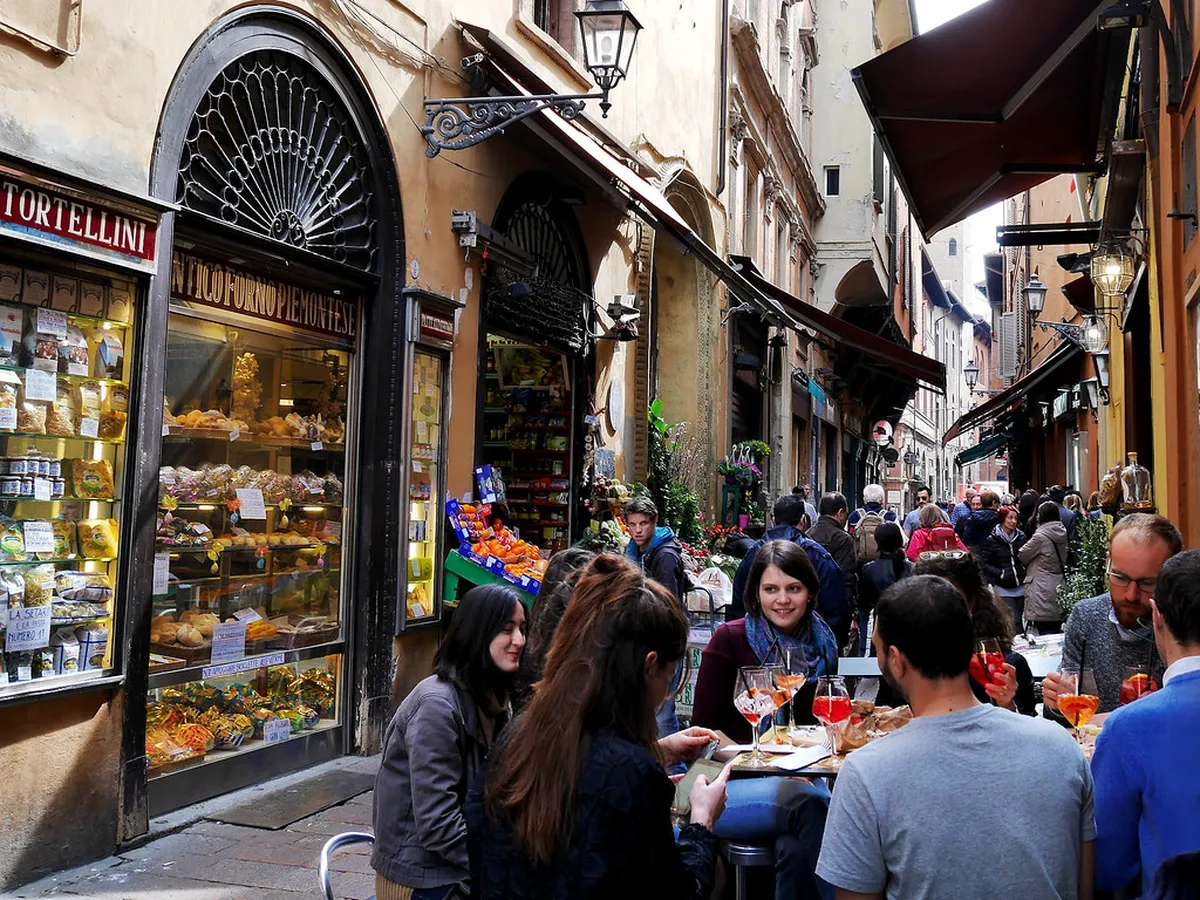
The Quadrilatero district, a grid of narrow medieval streets behind Piazza Maggiore, operates as the city's oldest open-air food market. You will find stalls selling fresh pasta, aged Parmigiano-Reggiano wheels, and sliced mortadella every morning. This neighbourhood alone justifies arriving with an empty stomach. A food tour brings a guide who can introduce you to the third-generation shopkeepers most visitors walk straight past.
Beyond the city limits, Bologna sits at the centre of Emilia-Romagna, Italy's richest food region. Prosciutto di Parma, Parmigiano-Reggiano, and Aceto Balsamico di Modena are all produced within an hour's drive. Some day trips from Bologna combine food tours with visits to these production sites. For context, no other Italian city sits inside a comparable density of protected food designations.
Types of Bologna Food Tours: What's on Offer
The Bologna food tour market has diversified considerably in recent years. You can now choose from market walking tours, cycle-and-eat experiences, cooking class combos, and dedicated wine-and-charcuterie evenings. The format shapes the experience far more than the itinerary, so it pays to decide what you actually want before browsing options.
Walking market tours are the most common entry point and typically last two to three hours. A local guide leads a small group through the Quadrilatero and Mercato di Mezzo, stopping at six to ten food stalls for tastings. These tours are accessible, require no culinary experience, and work well as a morning activity before an independent afternoon.
For something more active, a Bologna food and bike tour covers more ground by cycling between stops in the city's portico-lined streets. Cooking class formats take longer — usually four to five hours — and include hands-on pasta making followed by a sit-down meal. Wine-focused tours pair local Pignoletto and Sangiovese with cured meats and aged cheeses, usually in the early evening.
- Market Walking Tour
- Duration runs roughly two to three hours in the Quadrilatero district.
- Group sizes are usually capped at eight to twelve people for easy movement.
- Tastings typically cover six to ten local products including pasta and charcuterie.
- This format works well as a morning activity before independent afternoon plans.
- Food and Bike Tour
- Cycling covers more ground and reaches stops outside the main tourist grid.
- Tours last approximately three hours and include multiple tasting stops.
- Guides explain food history while navigating Bologna's famous portico streets.
- Best suited for travellers comfortable on a city bike in light traffic.
- Cooking Class with Tasting
- Hands-on pasta making is followed by a shared sit-down lunch or dinner.
- Sessions usually run four to five hours in a local kitchen or farmhouse.
- You leave with the technique to recreate tagliatelle and tortellini at home.
- Small groups of four to eight people are standard for this format.
- Wine and Salumi Evening
- Paired tastings focus on local Pignoletto, Sangiovese, and aged Parmigiano.
- Most evening sessions last around two hours in a traditional osteria setting.
- This format suits travellers who want a relaxed, conversation-led experience.
- Booking early is recommended as evening slots fill quickly in peak season.
What Bologna Food Tours Typically Include
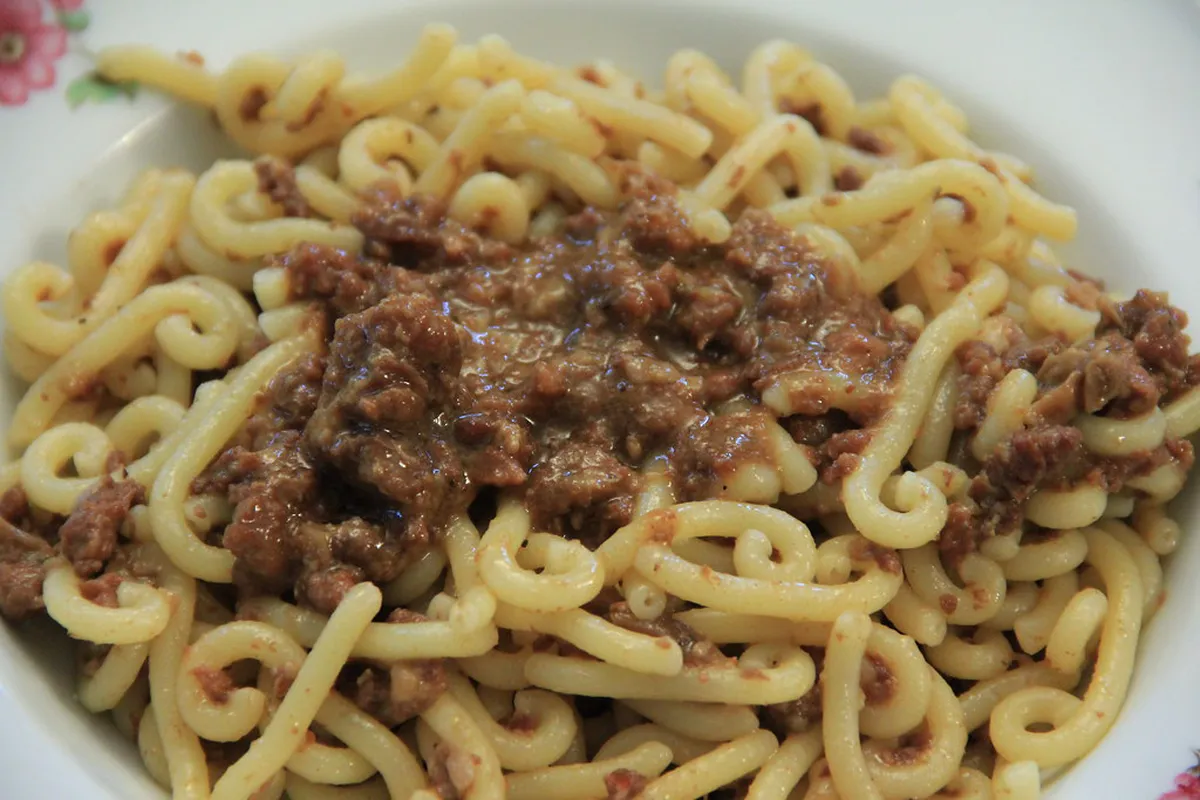
Most Bologna food tours include six to ten individual tastings, enough to constitute a light meal if you pace yourself. Expect to try mortadella — sliced fresh from a whole sausage, not pre-packaged — alongside fresh pasta, aged Parmigiano-Reggiano in multiple grades, and local cured meats. Tortellini in brodo, the city's most beloved dish, appears on many tours as a warm tasting stop. Good guides add context at each stop: why this producer, what makes this cut of meat different, how long the cheese has aged.
The Mercato di Mezzo, reopened after a restoration, is a standard anchor stop on most itineraries. Its covered stalls offer a condensed but genuine cross-section of Bolognese ingredients. A few tours also stop at a historic salumeria in the Quadrilatero that has operated under the same family for more than 100 years. These introductions to specific producers are what separate a guided tour from wandering the market alone.
Cooking-class-format tours go further, providing all ingredients, an apron, a recipe card, and a proper meal at the end. You will typically make two types of fresh pasta — tagliatelle and tortellini — under the supervision of a local cook. The sit-down portion usually includes wine pairings with each course. For serious food travellers, this format delivers the most lasting value.
How Much Do Bologna Food Tours Cost in 2026?
Pricing across Bologna food tours in 2026 follows a fairly consistent structure based on group size and duration. Budget options — typically 90-minute self-guided or lightly hosted market experiences — start around €25 to €40 per person. These give you access to a curated route and a tasting map but less guide interaction. They work best for experienced travellers who are comfortable navigating independently.
Mid-range guided tours lasting two to three hours typically cost between €60 and €90 per person. At this price point, group sizes are small (usually eight to twelve), the guide is highly engaged, and tastings are more generous. This is the sweet spot for most visitors: enough depth to feel meaningful without a full half-day commitment. Always check whether the price includes all tastings or whether some items are at-cost extras.
Premium cooking class and tasting combos run from €100 to €160 per person and last four to five hours. The higher price covers ingredients, venue, a sit-down multi-course meal, and wine. For a group of two, splitting a cooking class in Bologna across one premium session often costs less per person than two mid-range tours. Book directly with providers or through a vetted aggregator to avoid last-minute price spikes during peak months.
Our Verdict: Pros, Cons, and Who Should Book
Bologna food tours deliver strong value for the right traveller, but they are not the right fit for everyone. The honest case for booking: a skilled local guide accelerates your understanding of Bolognese food culture by years of independent research. You get introductions to producers who do not speak English, access to spots most visitors miss, and tastings that arrive in the right order and context. That story-plus-food combination is genuinely hard to replicate on your own.
The honest case against: group tours move at the pace of the slowest participant, and tastings are sized for sampling, not satisfying hunger. If you have dietary restrictions — particularly around cured pork — most of the key products on a standard tour will be off-limits. Some walking tours also cover ground you could cover independently with a good market guide in hand. Travellers who dislike scheduled group activities will likely find the format frustrating regardless of the content.
Book a food tour if: you are visiting Bologna for the first time, you want more than a supermarket-level understanding of Italian food, or you have limited time and want to cover the culinary highlights efficiently. The experience is particularly strong for food-first travellers who chose Bologna specifically for its gastronomy. Pairing a food tour with a Bologna walking tour on the same day makes for a genuinely comprehensive first day in the city. Skip the group tour if: you are a repeat visitor who already knows the Quadrilatero well, you have severe dietary restrictions that rule out cured meats and dairy, or you strongly prefer to eat on your own schedule.
Tips to Get the Most from Your Bologna Food Tour
Arrive genuinely hungry — a light breakfast two hours before your tour is the standard advice from most Bologna guides. Tastings are generous on the better tours, and eating a full meal beforehand means you spend the session politely declining food rather than actually tasting it. Morning slots (starting 10:00 or 10:30) tend to catch the Quadrilatero at its most active, with fresh stock and vendors in full swing.
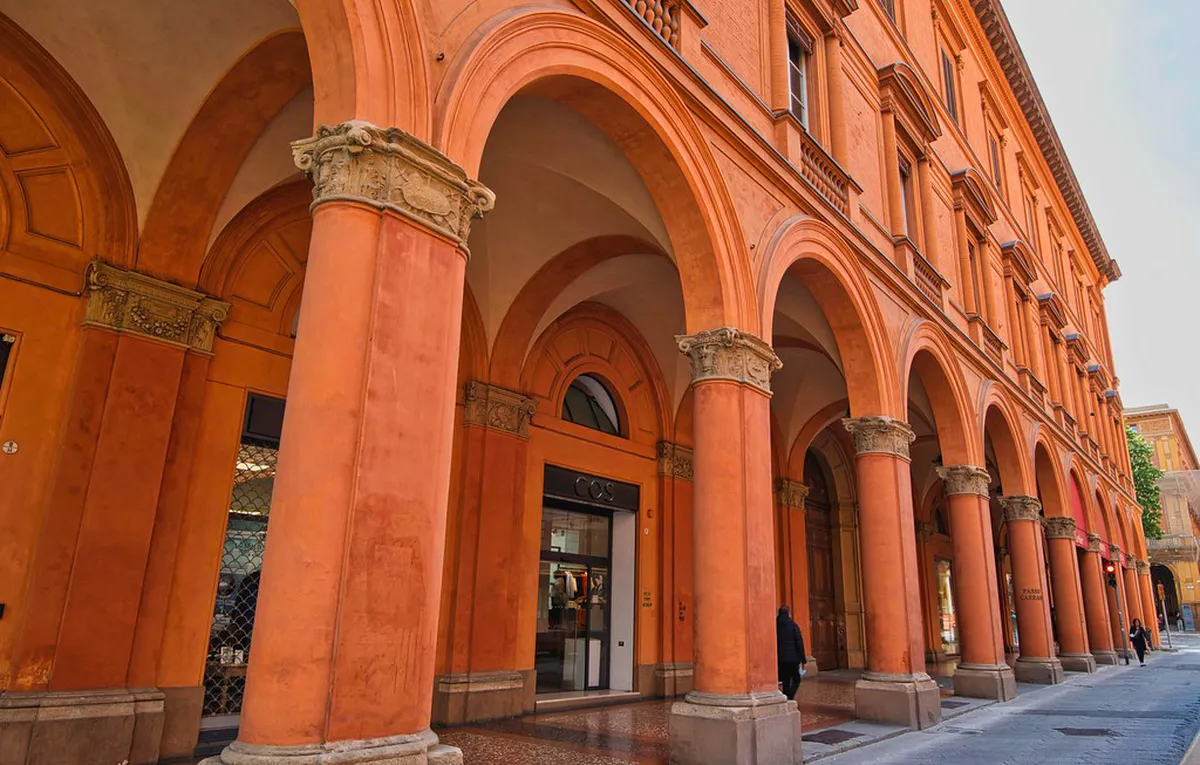
Book at least a week in advance during peak months (April to June, September to October), as small-group slots fill faster than most travellers expect. Look for tours capped at eight to twelve participants — larger groups mean less guide access and slower movement through narrow market streets. If the provider does not list their maximum group size, ask before booking.
Consider pairing a short food tour with a more active experience: a Bologna adventure tour or a morning hike to the hilltop Sanctuary of the Madonna di San Luca makes for a well-rounded day. Bologna is also a natural base for food-focused day trips from Bologna to Parma, Modena, or the Parmigiano-Reggiano dairies of the Po Valley. Spreading the food experiences across multiple days gives you time to digest — literally and figuratively.
Wear comfortable shoes with no heels; the Quadrilatero's cobblestones are uneven and the tour rarely stops moving for long. Bring a small tote bag if you plan to buy anything at the market after the tour — most vendors accept card, but a few cash-only stalls still exist. Finally, take notes or photos at each stop so you can return independently to the producers you liked most.
Where to Book Bologna Food Tours
The three main booking channels each have a practical trade-off. GetYourGuide and Viator aggregate most operators, display verified reviews, and offer free cancellation on the majority of listings up to 24 hours before the tour — useful if your travel schedule is flexible. Prices on these platforms are typically at or near the same level as booking direct, and the review volume (often 200–500+ per listing) makes it easier to compare guides.
Booking directly with the tour operator saves roughly 10–15% in some cases and lets you communicate dietary needs or group preferences before confirming. Operators who list on Airbnb Experiences tend to run smaller, more personal sessions — often capped at four to six people — which suits travellers who want a more conversational pace. Search "Bologna food tour" on each platform and filter by group size and duration before comparing prices.
A few practical checks before confirming any booking: verify the maximum group size is listed (avoid any tour that does not state this clearly), confirm whether all tastings are included in the advertised price or whether some are pay-on-the-day extras, and check that the meeting point is clearly specified — most tours start near Piazza Maggiore or at a landmark entrance to the Quadrilatero, not at a hotel.
| Tour Format | Duration | Price per Person (2026) | Group Size | Best For |
|---|---|---|---|---|
| Budget Market Experience | 90 minutes | €25–€40 | — | Experienced travellers comfortable navigating independently |
| Market Walking Tour | 2–3 hours | €60–€90 | 8–12 | First-time visitors wanting depth without a full half-day commitment |
| Food & Bike Tour | ~3 hours | — | — | Travellers comfortable on a city bike in light traffic |
| Cooking Class with Tasting | 4–5 hours | €100–€160 | 4–8 | Food-focused travellers who want the most lasting value |
| Wine and Salumi Evening | ~2 hours | — | — | Travellers who want a relaxed, conversation-led experience |
Frequently Asked Questions
How long do Bologna food tours typically last?
Most guided walking food tours in Bologna run two to three hours, covering six to ten tasting stops in the Quadrilatero and Mercato di Mezzo. Cooking class formats are longer, usually four to five hours, and include a sit-down meal. Check the specific itinerary before booking, as durations vary between providers.
Are Bologna food tours suitable for vegetarians?
Standard Bologna food tours centre heavily on cured pork products — mortadella, prosciutto, culatello — plus dairy. Vegetarians can still enjoy the Parmigiano-Reggiano, fresh pasta, and balsamic vinegar stops, but roughly half the tastings on most tours will be off-limits. Contact your provider in advance to ask about vegetarian-adapted itineraries.
Do I need to book Bologna food tours in advance?
Yes — booking at least five to seven days ahead is strongly recommended, particularly for small-group tours during spring (April to June) and autumn (September to October). Premium cooking class sessions can sell out two to three weeks in advance. Last-minute availability exists but choice is limited and prices may be higher on aggregator platforms.
What is the best food tour in Bologna for first-time visitors?
A small-group guided market tour of the Quadrilatero district is the most practical starting point for first-timers: two to three hours, six to ten tastings, and a local guide who explains the history of each product. If you have more time, pairing it with a Bologna cooking class on a separate day gives you both the tasting context and the hands-on technique.
Can I combine a Bologna food tour with a day trip?
Yes, and it is a popular combination. A morning food tour in the Quadrilatero pairs well with an afternoon day trip to Florence or a visit to the Parmigiano-Reggiano dairies near Parma. Bologna's central train station offers frequent connections, so an early tour still leaves time for a half-day excursion on the same day.
Bologna food tours are among the most rewarding guided experiences in Italy, and the city's culinary depth gives even short tours genuine substance. The key is matching the format — market walk, cooking class, or bike tour — to your travel style and how much time you want to commit. For first-time visitors and food-focused travellers, the investment pays off clearly.
Mid-range guided tours in the €60 to €90 range hit the best balance of depth, group size, and value. If your budget allows, upgrading to a hands-on cooking class in Bologna delivers an experience you can recreate at home long after the trip ends. Book early, arrive hungry, and let the guide take you to the producers the city actually loves.
Planning Tours in Other European Cities?
Tour Verdict reviews guided experiences right across Europe. If Bologna is one stop on a bigger trip, here are our honest worth-it verdicts for other foodie and culture capitals worth booking:
- Bruges Food Tours — worth-it picks for Belgian chocolate & beer.
- Porto Food Tours — worth-it picks for port wine & the Douro.
- Granada Food Tours — worth-it picks for Andalusian tapas & Alhambra.
Free: The Bologna Essentials guide
Top things to do, where to stay, a perfect day plan, getting around, and the best time to go — a Bologna mini-guide you can take offline.
Plan the next decision
Continue reading
More independent guides you'll find useful