Porto Walking Tours: Free vs Paid (2026 Guide)
Compare free and paid Porto walking tours for 2026. Learn what Ribeira, old town, and port-cellar walks cover, typical prices, and how to book the right one.

On this page
Porto Walking Tours: What's Worth It in 2026
Porto is one of Europe's most walkable cities, and its historic districts reward slow exploration on foot. Walking tours here range from free tip-based routes through the Ribeira waterfront to guided port-cellar experiences across the river in Vila Nova de Gaia. The city's steep lanes, hand-painted azulejo facades, and wine-soaked history make it genuinely engaging territory for a guided walk.
⚡ Tour Verdict quick take: Compare free and paid Porto walking tours for 2026. Learn what Ribeira, old town, and port-cellar walks cover, typical prices, and how to book the right one.
Choosing the right Porto walking tour depends on your budget, group size, and how much depth you want from a guide. Our verdict: most first-time visitors get real value from a walking tour here, but the format matters more than the price tag. This guide breaks down what each tour type covers, what you will actually pay, and how to pick the one that fits your trip.
Last updated June 2026.
Free: The Porto Essentials guide
Top things to do, where to stay, a perfect day plan, getting around, and the best time to go — a Porto mini-guide you can take offline.
Free vs Paid Porto Walking Tours
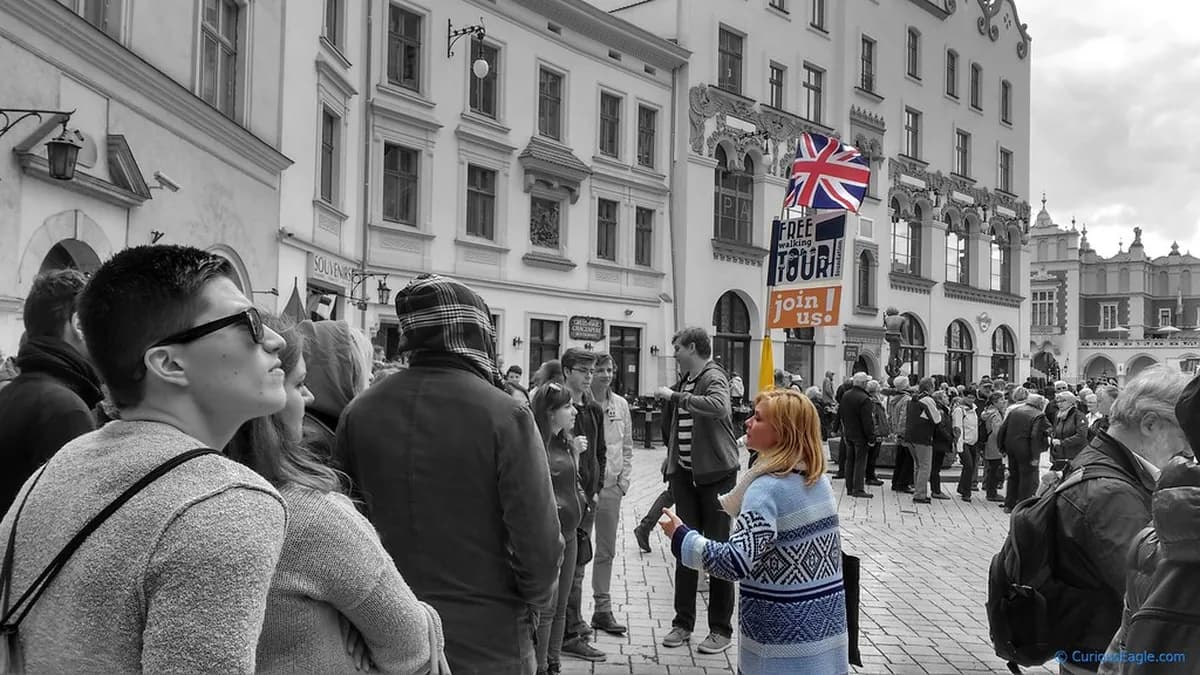
Free walking tours in Porto operate on a pay-what-you-feel model, meaning you tip the guide at the end based on your experience. Most free tours run twice daily from Praca da Liberdade, last around two to three hours, and cover the main historic highlights. They attract large groups — sometimes 25 or more people — which means less personal interaction with the guide. For budget-conscious travellers, a free tour is still a solid orientation tool, especially on arrival day.
Paid walking tours typically charge between 15 and 35 euros per person and cap group sizes at 8 to 15 participants. Smaller groups let guides take side streets, answer questions, and move at a pace the group sets together. Many paid options also offer niche themes — photography walks, food-focused routes, or architectural tours — that free tours rarely attempt. Booking a Porto food tour that includes a walking element is a smart way to combine cultural and culinary depth in one outing.
Language coverage is another practical difference: free tours almost always run in English only, while paid operators typically offer Spanish, French, and German options. If you're travelling with non-English speakers, a paid tour is usually the more comfortable choice. Booking windows also differ — free tours rarely require advance reservations, while popular paid tours can fill several days ahead in summer.
Ribeira and Old Town Walking Routes
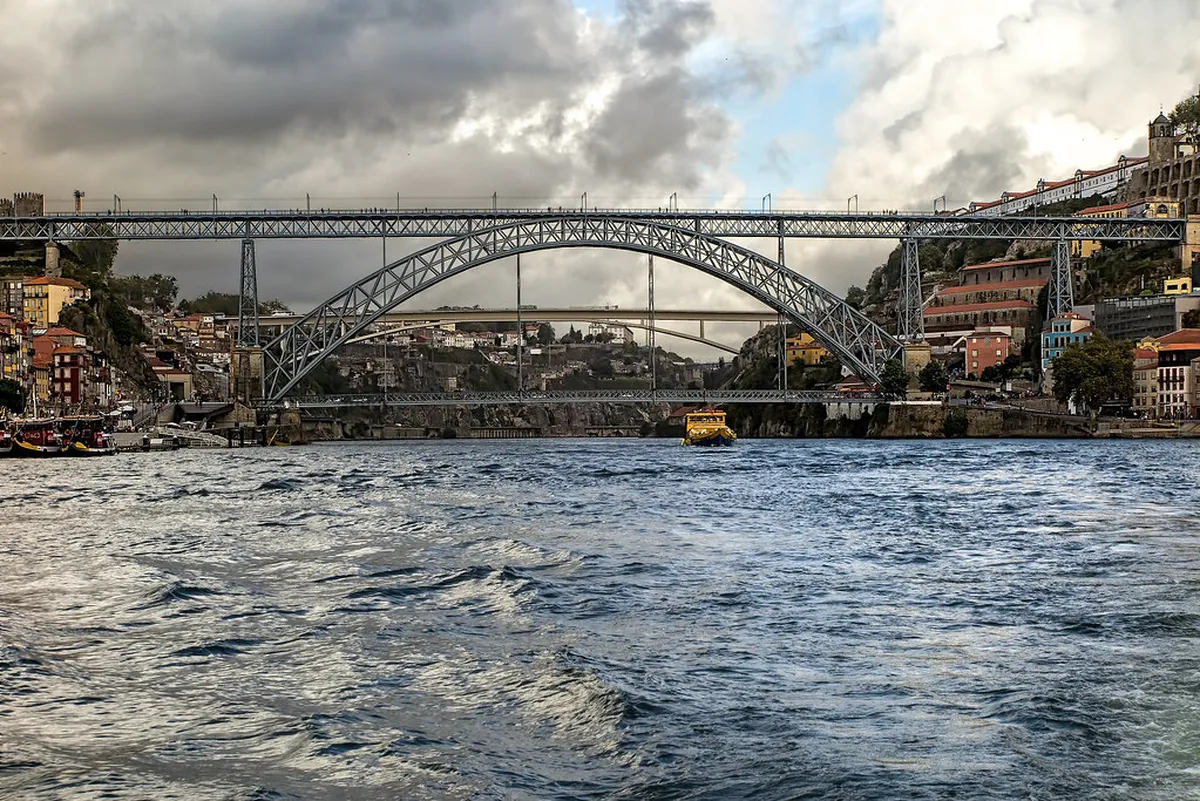
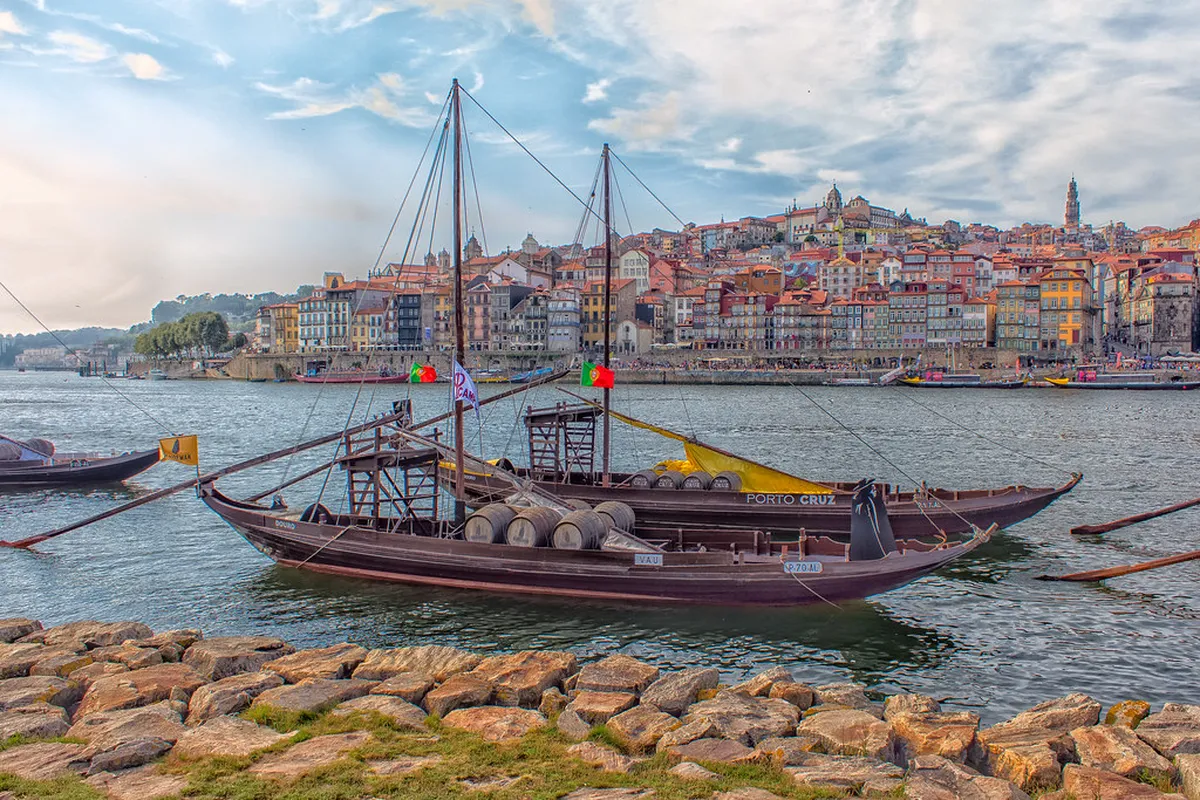
Nearly every Porto walking tour starts in the Ribeira, the riverside district that earned Porto its UNESCO World Heritage designation. From there, routes typically climb through Barredo's narrow alleys, past the Se Cathedral, and into the Batalha neighbourhood. The Dom Luis I Bridge almost always features as a photo stop, and many tours cross it on foot to reach the Gaia side.
A standard Ribeira walking tour runs two to two and a half hours at a relaxed pace. Evening tours are increasingly popular because the golden light on the tiled buildings is genuinely striking, and the Ribeira promenade grows lively after 6 pm. Daytime tours offer better access to church interiors and viewpoints like the Miradouro da Vitoria, which some evening routes skip. Both formats cover roughly the same ground, so the choice comes down to light and atmosphere rather than content.
Old town tours that extend beyond Ribeira into Bonfim or Cedofeita run closer to three hours and tend to attract repeat visitors who've already seen the central highlights. These longer routes give a better sense of how Porto actually functions as a lived-in city rather than a postcard backdrop. They're worth considering if you have at least two nights in the city and want to go deeper than the tourist trail.
Port Cellar and Wine Walking Tours
Vila Nova de Gaia, directly across the river from Ribeira, holds more than 30 port wine lodges, and walking among them is one of Porto's defining experiences. Port-cellar walking tours typically combine a 90-minute guided walk through Gaia's cobbled streets with a cellar visit and two to three tasting pours. Prices for this format generally run between 25 and 50 euros per person depending on the cellar tier and number of wines included. Always check whether the tasting fee is included upfront or billed separately at the cellar — operators vary on this point.
The walk component crosses the Dom Luis I Bridge upper deck, which sits 60 metres above the Douro and offers panoramic views of both banks. Guides typically cover port production history, grape varieties from the Douro Valley, and how vintage and tawny styles differ — useful context before you taste. For a deeper dive into the region's wines, combining a cellar tour with a Porto wine tour or extending your trip into the Douro Valley adds significant value.
Port-cellar walks are distinctly different from wine-country cycling or Douro Valley day trips — they're urban, compact, and manageable even in warm weather. If you're short on time but want a wine experience, a Gaia walking tour is the most efficient option in Porto itself. Travellers who want to see the vineyards producing the wine should look at a Porto to Douro Valley day trip instead, which gives the full landscape context.
What Porto Walking Tours Typically Cover
Understanding standard inclusions prevents disappointment on the day. Most Porto walking tours include a licensed local guide, a fixed route with commentary, and a meeting-point briefing — nothing more. Entry fees to churches, museums, or cellars are almost always extra unless explicitly listed in the tour description.
Food and drink are rarely included on general walking tours, though specialised food tours do bundle in tastings. Transport to or from the starting point is your own responsibility — tours begin at central squares, not hotel lobbies. Wear comfortable shoes: even short Porto routes involve cobblestones and steep inclines that can be hard on flat-soled footwear.
- Typical free walking tour (2 to 3 hrs)
- Covers Ribeira, the Se Cathedral, and the Dom Luis I Bridge on foot.
- Groups often run large, sometimes 20 or more participants per single guide.
- Tip the guide directly at the end based on your overall experience.
- Paid historic district tour (2 to 3 hrs)
- Smaller groups of 8 to 15 allow for more guide interaction throughout.
- May include optional stops inside Sao Bento station for its azulejo tile panels.
- Prices typically range from 15 to 35 euros per person for 2026 departures.
- Port cellar walking tour (2.5 to 3.5 hrs)
- Combines a riverside walk with a lodge visit and a guided tasting session.
- Tasting fees are sometimes bundled into the price, sometimes billed at the cellar.
- Expect to pay roughly 25 to 50 euros depending on the cellar and inclusions.
- Themed specialty walks (2 to 4 hrs)
- Themes include food, photography, architecture, and Porto street art routes.
- Often capped at 6 to 10 people for a noticeably more personalised experience.
- Book at least 48 hours ahead as these slots fill quickly during peak season.
How to Pick the Right Porto Walking Tour
Most first-time visitors do well with a free walking tour on their first afternoon, using it as an orientation before deciding what to explore independently. The tip-based model means you only pay for quality you actually experienced, which removes booking risk. Follow it with a paid themed tour on day two once you've mapped the city in your head.

Repeat visitors or travellers with a specific interest — wine, food, architecture — should go straight to a paid specialised tour. A general free tour covers ground they've likely already walked, so the time trade-off isn't worth it. For wine-focused trips, pairing the Gaia cellar walk with a Porto wine country cycling tour on a separate day gives a more complete picture of the region.
Families with young children often find that free tours move too slowly for restless kids and cover too much adult-focused history. A shorter private walking tour of around 90 minutes keeps things manageable without sacrificing quality. Solo travellers and couples get the most out of small-group paid tours, where guide interaction is easier and questions get real answers. Groups of six or more should price a private tour, which often costs less per head than booking individual paid-tour slots.
Time of year shapes the experience significantly: July and August bring heat and large crowds that make long outdoor walks uncomfortable by midday. Morning departures before 10 am are strongly advisable in summer — routes that feel pleasant in April can be exhausting at noon in August. Spring and October are our preferred windows for Porto walking tours: temperatures are moderate, the city isn't overrun, and the light on the azulejo tiles is exceptional.
Getting to Porto Walking Tour Meeting Points
The vast majority of Porto walking tours — free and paid alike — depart from Praca da Liberdade, the wide square at the north end of the Ribeira axis. It is directly served by Aliados Metro station on Line D (Yellow), which connects to Porto Campanha railway station in about 12 minutes and to the airport in roughly 35 minutes. From most central hotels, it is also an easy 10 to 15 minute walk downhill toward the river.
Arrive at least 10 minutes early: guides start their briefings on time and free-tour groups fill up fast at the square. Praca da Liberdade can be confusing to first-timers because multiple tour operators gather there simultaneously — look for the guide holding your company's sign or flag. For Gaia-side port-cellar walks, the meeting point shifts to the riverfront below the Dom Luis I Bridge, so confirm your departure address when booking. Comfortable walking shoes and a water bottle are the two practical items that separate an enjoyable tour from an exhausting one.
| Tour Type | Duration | 2026 Cost | Group Size | What's Included | Best For |
|---|---|---|---|---|---|
| Free walking tour | 2 to 3 hrs | Tip-based (€5–10 pp norm) | 20+ participants | Ribeira, Se Cathedral, Dom Luis I Bridge | First-timers, budget travellers |
| Paid historic district tour | 2 to 3 hrs | €15–35 per person | 8–15 participants | Ribeira, old town, optional Sao Bento azulejo stop | First-timers wanting smaller groups & more guide interaction |
| Port cellar walking tour | 2.5 to 3.5 hrs | €25–50 per person | — | Riverside walk, Gaia lodge visit, 2–3 tasting pours | Wine lovers, short on time |
| Themed specialty walk | 2 to 4 hrs | — | 6–10 participants | Food, photography, architecture, or street art routes | Repeat visitors, niche interests |
Frequently Asked Questions
Are Porto walking tours worth it?
Yes, for most visitors. A good guide unlocks the history behind Porto's azulejo panels, the mechanics of port wine production, and the neighbourhood logic that's easy to miss solo. Free tours are worth it just for the orientation; paid tours earn their price through smaller groups and deeper commentary. Either way, walking is the right way to experience this city.
How much do you tip on a free walking tour in Porto?
A tip of 5 to 10 euros per person is the accepted norm for a two-hour free tour if you found it useful. Consider 15 euros or more if the guide was exceptional or the group was small. Tipping less than 5 euros for a full tour is generally considered low in Porto's walking-tour circuit, where guides earn no base salary.
Do Porto walking tours need to be booked in advance?
Free tours rarely require advance booking — you show up at Praca da Liberdade at the stated time. Paid tours, especially port-cellar walks and food-focused routes, should be booked at least 48 hours ahead in peak season. Summer demand can push popular slots to full a week out, so early booking avoids disappointment. Check the Porto free walking tour options for last-minute availability.
Can you do a Porto walking tour as a solo traveller?
Absolutely. Solo travellers are common on Porto's walking tours, and guides tend to give them more conversational attention. Free group tours are also a natural way to meet other travellers passing through the city. Small-group paid tours of 8 to 12 people work well for solos who want structure without the awkwardness of a private booking.
Porto rewards slow exploration, and a walking tour — free or paid — gives you a strong start on understanding the city's layered geography and history. For most travellers, starting with a free tour on arrival and layering in a port-cellar walk or food experience on a second day is the most effective combination. The city is compact enough that you won't waste time doubling back, and each tour type adds something genuinely different to the mix.
Beyond the walking tours themselves, Porto has strong options for those who want to extend into the wider region. A day trip from Porto into the Douro Valley or north to the Minho gives real depth to a longer stay. Whatever format you choose, go with a guide on at least one day — the stories underneath Porto's tiles are genuinely worth hearing.
Free: The Porto Essentials guide
Top things to do, where to stay, a perfect day plan, getting around, and the best time to go — a Porto mini-guide you can take offline.
Plan the next decision
Continue reading
More independent guides you'll find useful