Granada Food Tours Travel Guide
Discover the best granada food tours in 2026: top food stops, neighborhood guides, booking tips, and an honest worth-it verdict for every budget.

On this page
Granada Food Tours: Complete Guide
Granada has one of the most distinctive food cultures in southern Spain, shaped by centuries of Moorish, Sephardic, and Andalusian influence. A guided Granada tapas tour is one of the fastest ways to understand the city through its kitchens and taverns. Most tours run three to four hours and cover six to eight food stops across the historic centre. This guide covers what to eat, which neighborhoods matter most, how to choose a tour, and whether a guided experience is genuinely worth the cost.
Last updated June 2026.
⚡ Tour Verdict quick take: Discover the best granada food tours in 2026: top food stops, neighborhood guides, booking tips, and an honest worth-it verdict for every budget.
Free: The Granada Essentials guide
Top things to do, where to stay, a perfect day plan, getting around, and the best time to go — a Granada mini-guide you can take offline.
Must-Try Food Stops on a Granada Tour
Every solid Granada food tour anchors itself in the city's two most defining food traditions: jamón and tapas. The ham served here comes from the Alpujarra mountain villages, where pigs are raised on acorns and the legs are cured using cold, dry Sierra Nevada air. Serrano de Granada and prestige Iberian cuts appear on most food tour itineraries, often paired with a local wine or Tinto de Verano.
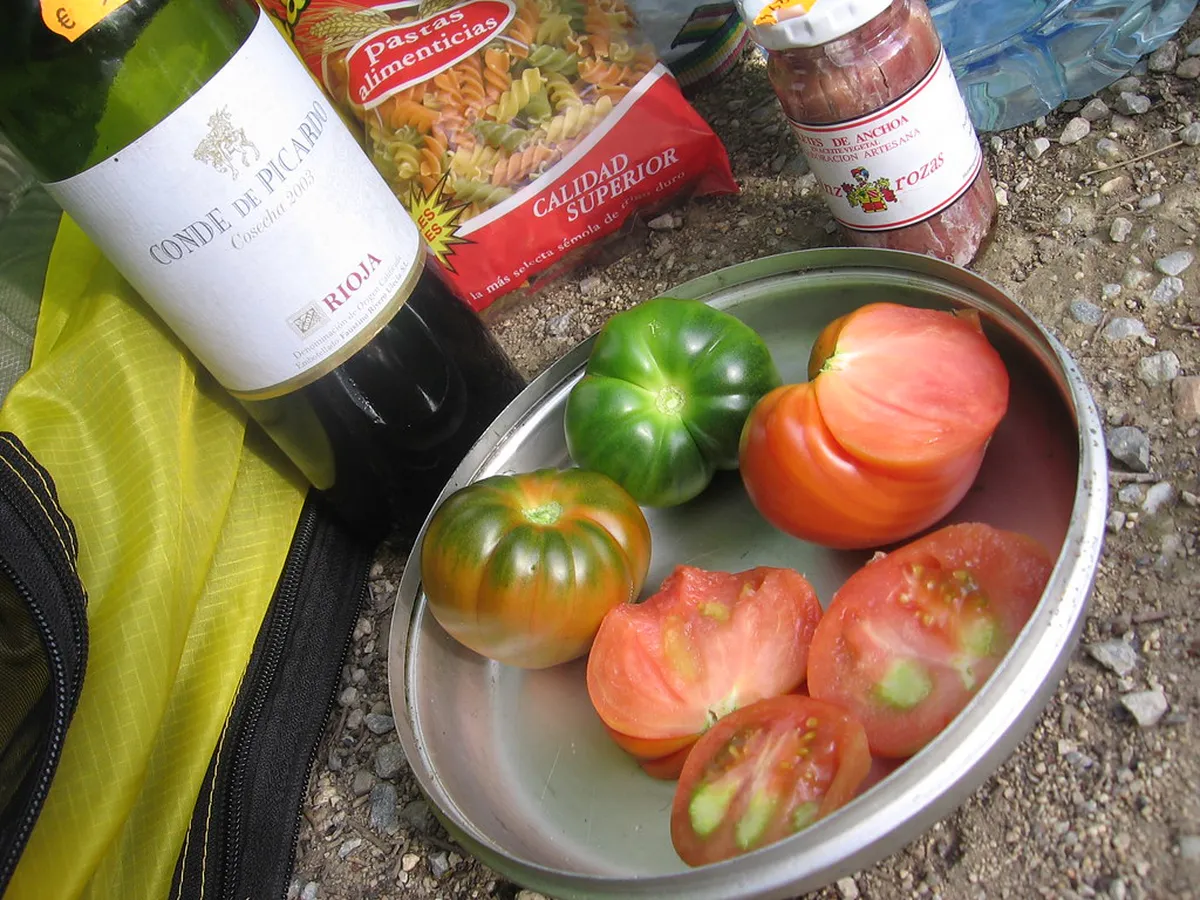
Tapas in Granada operate differently from most Spanish cities — bars serve a free tapa with every drink you order. A good food tour guide will take you beyond the obvious tourist-facing places to the taverns where locals actually eat. Look for tours that include a stop at a historic delicatessen or covered market, where you can see the full range of local produce up close. The Spain Food Sherpas tour, for example, ends at a spot once frequented by poet Federico García Lorca and composer Manuel de Falla.
Remojón granadino is the dish most visitors have never tried but almost always love: a salad of salt cod, oranges, olives, and onion. Tortilla del Sacromonte — a local omelette made with lamb brains, kidneys, and broad beans — is the city's most polarising dish and worth at least one bite. Both dishes turn up on specialist food tours and rarely appear on the tourist menus around the Alhambra.
- Jamón tasting from Alpujarra mountain villages
- Expect a side-by-side comparison of Serrano and Iberian cuts on most tours.
- Guides typically explain how Sierra Nevada air is central to the curing process.
- Remojón granadino: salt cod, orange, and olive salad
- A signature local dish found in traditional taverns rather than tourist restaurants.
- Often paired with local Granada D.O.P. wine during tastings.
- Free tapas culture at local bars
- Granada is one of the few Spanish cities where a tapa comes free with every drink.
- Food tour guides choose bars where the free tapas are genuinely good, not an afterthought.
- Historic tavern visits with century-old recipes
- Some tour operators have exclusive relationships with family-run taverns closed to casual visitors.
- These stops often include a short conversation with the owner or head cook.
Granada's Culinary Heritage: What Shaped the Food
Granada's food is the product of at least four overlapping culinary traditions: Roman, Sephardic Jewish, Moorish Nasrid, and Andalusian Spanish. Each wave left something specific behind — the Moors introduced irrigated agriculture that still supplies the Vega de Granada with asparagus, artichokes, and broad beans. Jewish influence shaped the use of dried legumes and preserved fish, both still central to the local table.
The Moorish flavour influence shows most clearly in the spice combinations used in stewed dishes — cumin, saffron, and coriander appear regularly. Granada's proximity to the Sierra Nevada also created a distinct ham-curing tradition that does not exist in the same form anywhere else in Spain. A Granada wine tour adds another layer to this history, since the Granada D.O.P. wine region produces whites and reds rarely found outside Andalusia.
The Alpujarra villages southeast of the city are the source of much of what ends up on Granada food tour menus. Guides who know the region well can connect the food you taste to specific villages, altitudes, and seasonal production cycles. This geographic context is one reason a guided tour adds value that solo restaurant visits usually cannot replicate.
Best Neighborhoods for Food Tours in Granada
The Albaicín district — a UNESCO World Heritage site of whitewashed houses and narrow Moorish lanes — holds some of the best tapas bars in the city. Its elevated position means you walk off the food with Alhambra views built into the route. Most food tour operators start or finish a segment here, particularly for evening tours when the bars fill with locals.
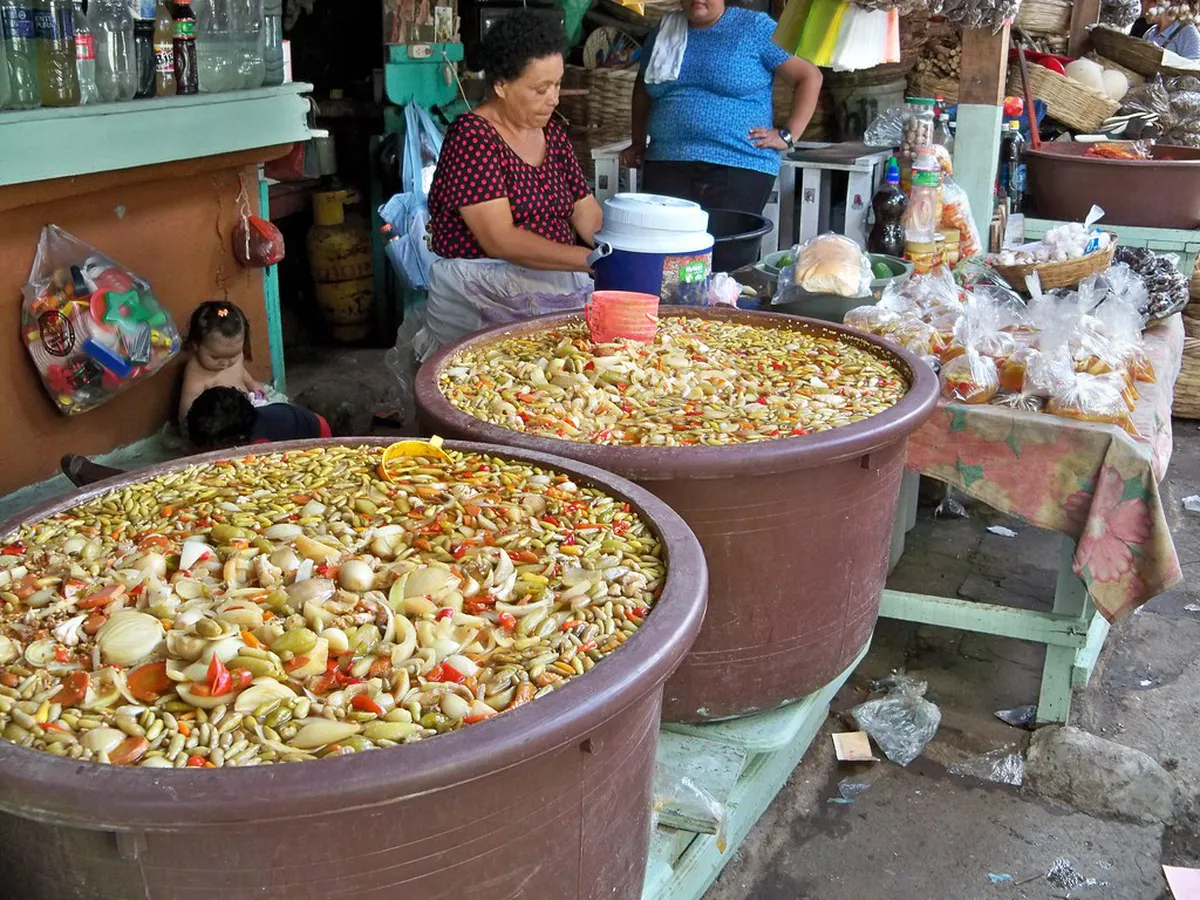
The Realejo, Granada's old Jewish quarter, is quieter than the Albaicín and rewards slower exploration. Its mix of small squares and independent restaurants makes it a natural fit for the mid-point of a walking food tour. Several tour operators use the Realejo for their jamón and charcuterie stops because the neighbourhood has a higher concentration of specialist food shops.
The area around Plaza Nueva and the Cathedral is where most tours begin, since it is the city's most accessible central point. Mercado San Agustín, located a short walk from the Cathedral, is a covered market where you can see local produce before tasting it on the tour. Evening tours sometimes close in this zone, where bars stay open late and the tapas selection expands after 9 PM.
Family and Budget Options for Granada Food Tours
Granada's free-tapas culture makes solo bar hopping a genuinely viable budget alternative to a paid tour. Spend €10 to €15 on drinks at three or four different bars and you will eat a full meal without planning a single stop. The downside is that without a guide, most visitors end up at the tourist-facing bars nearest the Alhambra, where the tapas quality is inconsistent.
Guided group food tours in Granada typically cost between €40 and €75 per adult in 2026, depending on the number of stops and whether wine pairings are included. Private tours run higher — usually €90 to €150 per person — but suit families with young children who need a more flexible pace. Some operators accept children at a reduced rate, so it is worth asking directly when booking if you are travelling with kids under 12.
Morning market visits are a low-cost way to engage with local food culture before joining a paid afternoon or evening tour. Mercado San Agustín opens early and gives a good preview of what producers bring in from the Vega de Granada. Pairing a self-guided morning market visit with a group evening food tour is a practical way to get two layers of the food story without doubling the tour budget.
- Self-guided tapas crawl: the zero-cost approach
- Every drink order in most Granada bars comes with a free tapa, making a self-guided crawl genuinely filling.
- Budget roughly €12 to €18 for drinks across four bars to cover a light dinner.
- Group food tours: €40–€75 per adult
- Group sizes are usually capped at eight to twelve people for a more personal experience.
- Wine pairings and premium stops push the price toward the higher end of the range.
- Private food tours: €90–€150 per person
- Private tours allow flexible timing and pace, which suits families with children.
- Guides can customise the route to avoid steps, uneven cobblestones, or very late stops.
- Morning market visit: free and low-commitment
- Mercado San Agustín is the most central option and opens in the morning.
- Combine it with an evening group tour for two layers of food discovery at a reasonable combined cost.
How to Choose and Book the Right Granada Food Tour
The first decision is timing: morning tours are quieter and suit visitors who want to combine food with a full afternoon of sightseeing. Evening tours run from around 7 PM and capture Granada's nightlife energy — bars fill up, locals show up, and the atmosphere is harder to replicate in daylight. If your trip to Granada is short, an evening tour on your first full day is the better choice, since you leave with a list of places to return to independently.
Group tours work well for solo travelers and couples who want to meet other food-curious visitors. Private tours make more sense for groups of four or more, families, or anyone with dietary restrictions that require route customisation. Most operators require at least two participants for a tour to run, so booking in advance — especially in high summer — is important to avoid a last-minute cancellation.
Check what is included before paying: a good Granada food tour should cover at least six distinct tastings, a local guide with knowledge of food history, and the tastings and drinks in the advertised price. Tours that charge extra for drinks or list the food as 'light snacks' often disappoint. The Taste of Granada tour by Spain Food Sherpas and tours reviewed on Withlocals.com both publish their inclusions clearly, which makes comparison straightforward.
Cancellation policies vary widely: some operators refund in full up to 24 hours before departure, others require 48 to 72 hours notice. During Semana Santa and the Granada International Festival of Music and Dance in June and July, tours book out days in advance. Book your preferred tour as early as possible if your trip falls within those windows.
Is a Granada Food Tour Worth It? Our Verdict
For first-time visitors spending two to four days in Granada, a guided food tour delivers real value that solo dining rarely matches. The access to non-tourist taverns, the guide's knowledge of food history, and the curated route through two or three neighbourhoods combine into an experience that takes months of local knowledge to replicate independently. A three-and-a-half to four-hour tour is also a genuinely filling meal — most visitors do not need dinner afterwards.
The honest drawback is cost: at €40 to €75 per person, a food tour is one of the more expensive line items in a Granada trip budget. Experienced Spanish food travellers who already know the tapas bar system and have visited other Andalusian cities may find less novelty here. Granada's free-tapas culture also means that a solo crawl, done with a little research, can replicate roughly 60 to 70 percent of the food experience at a fraction of the price.
Who should book a food tour: first-time Granada visitors, travellers who want cultural context alongside the food, and groups who find joint decision-making about where to eat exhausting. Who can skip it: experienced Spain travellers, visitors on a tight budget, and anyone staying long enough to discover the neighbourhood bars at their own pace. For a balanced overview of what else the city offers alongside its food scene, the best Granada walking tours often include a food stop or two and cover more historical ground per hour.
Top Granada Food Tour Operators Compared
Most online searches for Granada food tours surface the same handful of operators, but they differ enough in format, price, and focus to matter when choosing. Here is how the main options stack up for 2026.
- Spain Food Sherpas — Taste of Granada
- Duration: 3.5 hours on foot through the historic centre.
- Price: around €75–€85 per adult; includes all tastings and drinks.
- Highlights: side-by-side Serrano and Iberian ham comparison, Granada D.O.P. wine, finish at a tavern linked to García Lorca and Manuel de Falla.
- Good for: visitors who want a structured cultural narrative alongside the food.
- Do Eat Better Experience — Granada Food Tour
- Duration: 3–4 hours; small groups (typically six to eight people).
- Price: check current rates on their site; inclusions vary by season.
- Highlights: emphasis on seasonal produce from the Vega de Granada; guides prioritise neighbourhood taverns over tourist-facing venues.
- Good for: travellers who prefer an informal, conversation-led format over a set script.
- Private or custom operators via Withlocals and GetYourGuide
- Duration: flexible, typically 3–4 hours.
- Price: €90–€150 per person for private bookings; group rates on shared tours start around €40–€55.
- Highlights: route can be adjusted for dietary needs, mobility, or specific food interests.
- Good for: families, dietary-restricted travellers, or groups of four or more where a private tour becomes cost-competitive.
All three routes cover the same core Granada food stops — jamón, tapas, and local wine — but Spain Food Sherpas is the most consistent pick for a first visit if you want a curated, historically grounded experience with predictable inclusions.
| Tour Option | Duration | 2026 Price (per adult) | Highlights | Best For |
|---|---|---|---|---|
| Spain Food Sherpas — Taste of Granada | 3.5 hours | €75–€85; all tastings & drinks included | Serrano vs. Iberian ham comparison; Granada D.O.P. wine; finish at a tavern linked to García Lorca and Manuel de Falla | Visitors who want a structured cultural narrative alongside the food |
| Do Eat Better Experience — Granada Food Tour | 3–4 hours; groups of 6–8 | — | Seasonal produce from the Vega de Granada; neighbourhood taverns over tourist-facing venues | Travellers who prefer an informal, conversation-led format over a set script |
| Private / custom via Withlocals & GetYourGuide (private) | 3–4 hours (flexible) | €90–€150 | Route adjusted for dietary needs, mobility, or specific food interests | Families, dietary-restricted travellers, or groups of four or more |
| Private / custom via Withlocals & GetYourGuide (group shared) | 3–4 hours (flexible) | €40–€55 | Same flexible-route format at a lower shared cost | Solo travellers or pairs seeking flexibility at a group rate |
| Self-guided tapas crawl | Self-paced | €12–€18 (drinks across four bars) | Free tapa with every drink order at most Granada bars | Experienced Spain travellers or visitors on a tight budget |
Frequently Asked Questions
How much do Granada food tours cost in 2026?
Group food tours in Granada typically cost between €40 and €75 per adult in 2026, with price varying by the number of stops and whether wine pairings are included. Private tours run from €90 to €150 per person. Granada's free-tapas bar culture means self-guided options cost as little as €12 to €18 for drinks across several bars.
How long does a Granada food tour last?
Most Granada food tours last between three and four hours and include six to eight food stops. Evening tours usually run from around 7 PM, ending before midnight. Morning tours are shorter, typically two and a half to three hours, and focus on market visits and daytime tapas bars.
What food should I expect to try on a Granada food tour?
Expect to try cured jamón from the Alpujarra mountains, remojón granadino (a salt cod and orange salad), traditional tapas with local Granada D.O.P. wine or Tinto de Verano, and seasonal dishes from the Vega de Granada. Some tours include tortilla del Sacromonte, the city's most distinctive local omelette.
Is a Granada food tour suitable for families with children?
Private food tours are the most family-friendly option, since guides can adjust the pace and choose stops accessible to younger children. Some operators accept children at a reduced rate. Group evening tours can run late — past 10 PM — which may not suit young children, so check the tour schedule before planning your Granada itinerary.
When is the best time to book a Granada food tour?
Book as early as possible if you are visiting during Semana Santa (Holy Week), June, or July, when the Granada International Festival of Music and Dance draws large crowds and tours fill days in advance. Outside peak season, booking two to three days ahead is usually enough. Evening tours on weekends fill faster than weekday morning slots.
Granada food tours offer one of the most efficient ways to understand this city's layered culinary history in a single afternoon or evening. The combination of local guides, non-tourist taverns, and a curated route through the Albaicín or Realejo delivers something that solo exploration takes far longer to build. For first-time visitors or anyone who wants cultural context alongside the food, a guided tour earns its price.
Budget-conscious travellers can replicate a good portion of the experience through Granada's free-tapas bar culture with a small amount of research. If you want the full picture — hiking, city views, and day trips to the Sierra Nevada alongside the food story — the best day trips from Granada pair well with an evening food tour earlier in your stay. However you explore the city's food scene, Granada rewards curiosity more generously than almost any other city in southern Spain.
Planning Tours in Other European Cities?
Tour Verdict reviews guided experiences right across Europe. If Granada is one stop on a bigger trip, here are our honest worth-it verdicts for other foodie and culture capitals worth booking:
- Porto Food Tours — worth-it picks for port wine & the Douro.
- Athens Food Tours — worth-it picks for Greek meze & ancient sites.
- Split Food Tours — worth-it picks for the Dalmatian coast & Diocletian's Palace.
Free: The Granada Essentials guide
Top things to do, where to stay, a perfect day plan, getting around, and the best time to go — a Granada mini-guide you can take offline.
Plan the next decision
Continue reading
More independent guides you'll find useful