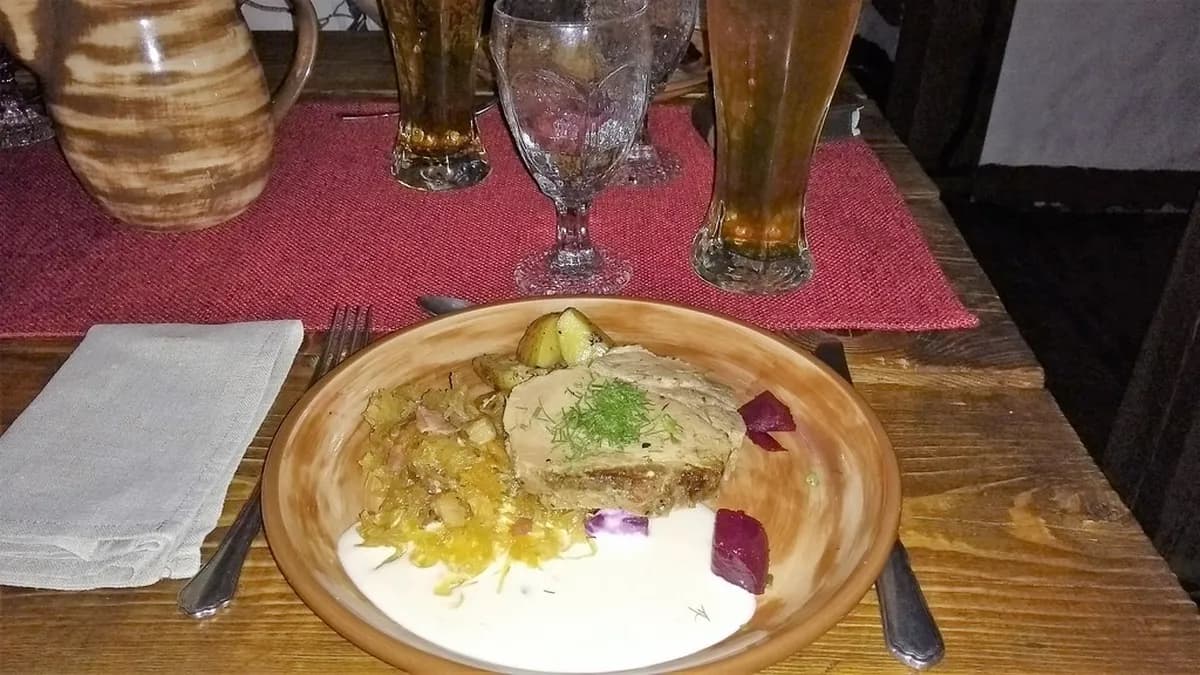
Krakow Food Tours: Worth It? 2026 Verdict
Are Krakow food tours worth it? We review the best tours in 2026, break down prices, inclusions, pros and cons, and help you book the right one.
On this page
Krakow Food Tours Reviewed: Prices, What's Included, and Our 2026 Verdict
Krakow has one of the most satisfying food scenes in Central Europe, and the city's food tours have grown to match that reputation. Pierogi, smoked oscypek cheese, zapiekanka from the Nowa Huta market, obwarzanek rings fresh from a street cart — the list of must-eats is long and the city is easy to get lost in. A guided food tour promises to cut through the noise and take you straight to the good stuff. But with dozens of options on the market, knowing which one is actually worth your money takes a bit of research.
⚡ Tour Verdict quick take: Are Krakow food tours worth it? We review the best tours in 2026, break down prices, inclusions, pros and cons, and help you book the right one.
We've reviewed the main formats available in 2026 — street food crawls, sit-down tasting tours, Jewish quarter walking tours, and private options — so you can make a confident call before you book. Prices in Krakow remain lower than in most Western European capitals, which makes a food tour an easier spend to justify. That said, not every tour delivers equal value, and some formats suit certain travelers far better than others. Read on for the honest breakdown.
Last updated June 2026.
Free: The Krakow Essentials guide
Top things to do, where to stay, a perfect day plan, getting around, and the best time to go — a Krakow mini-guide you can take offline.
Key Takeaways
- Group food tours in Krakow cost 150–240 PLN per person; always check whether drinks and gratuity are included.
- Morning tours (10:00–11:00 AM) offer the freshest street food and shorter queues at top stalls.
- Book 3–7 days ahead in summer — the best small-group tours sell out quickly during peak season.
- A food tour beats DIY eating on local knowledge and access to off-radar spots; DIY wins on cost and freedom.
- The smartest approach for a multi-day stay is one guided tour early, then independent exploration of the spots you liked most.
What Krakow Food Tours Actually Cover
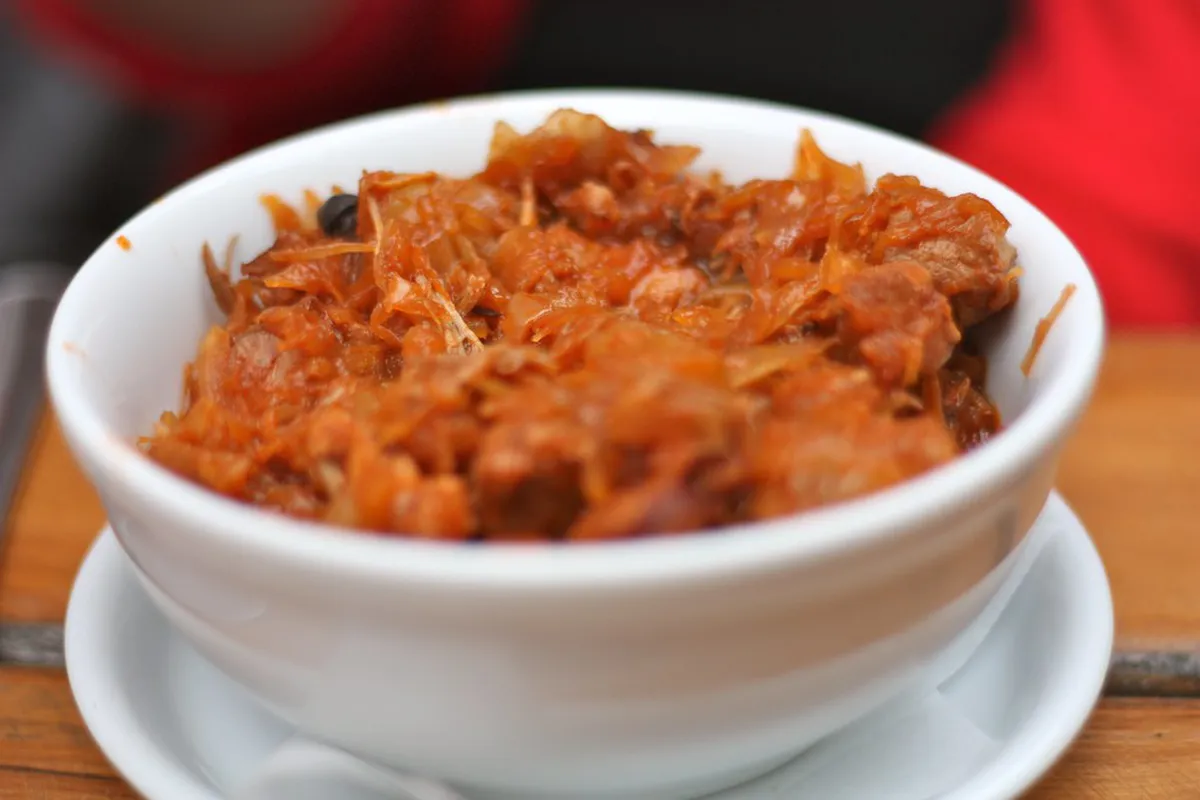
Most Krakow food tours run for three to four hours and cover between five and eight tasting stops. Routes typically center on the Old Town, the Kazimierz Jewish quarter, or a combination of both, with each area offering a distinct flavor of the city. Old Town routes tend to focus on traditional Polish staples — pierogi, bigos, żurek soup — served in historic milk bars and local restaurants. Kazimierz routes lean into the Jewish culinary heritage and the buzzing café scene that has developed there over the past decade.
Street food tours spend most of their time outdoors, moving between stalls, market halls, and hidden courtyards. Sit-down tasting tours involve more time inside restaurants and are better suited to travelers who want to sit, slow down, and hear longer stories about each dish. Many operators offer a hybrid format that mixes two or three indoor stops with outdoor market tastings. Group sizes vary significantly: mainstream tours cap at 12 to 15 people, while smaller-group tours keep it at 6 to 8 for a more personal experience.
The food itself usually covers four to eight dishes per person, ranging from small bites to generous portions depending on the operator. Common staples include pierogi (boiled or fried dumplings with various fillings), obwarzanek (the city's iconic salted bread ring), zapiekanka (a toasted baguette with toppings, sometimes called Poland's original street food), oscypek (smoky sheep's milk cheese from the Tatra mountains), and traditional soups. Some tours add craft beer or Polish vodka tastings as optional extras or included items — it's worth checking before you book. Vegetarian and vegan requests are handled by most reputable operators if you flag them in advance.
- Old Town route
- Focuses on classic Polish dishes like pierogi and żurek soup.
- Usually takes in historic milk bars and courtyard restaurants.
- Well suited to first-time visitors who want the core Krakow experience.
- Kazimierz Jewish quarter route
- Covers the historic Jewish culinary heritage alongside modern café culture.
- Includes flavors like Jewish-style carp, babka, and contemporary Polish plates.
- Best for travelers who have already seen the Old Town and want more depth.
- Street food crawl
- Moves quickly between outdoor stalls, market halls, and courtyards.
- Highest variety of stops, lowest time per location.
- A good match for active travelers who enjoy walking and grazing.
- Sit-down tasting tour
- Fewer stops but longer, more immersive time at each venue.
- Includes more storytelling and cultural context from the guide.
- Better for travelers who prefer comfort and conversation over pace.
- Private custom tour
- Route and dishes tailored to your preferences or dietary needs.
- Price is higher but the experience is fully personalized.
- Ideal for families, couples, or groups with specific culinary interests.
Best Krakow Food Tours in 2026: Our Verdicts
The most popular format in Krakow right now is the small-group street food walk, and for good reason — it keeps the pace lively and covers the most ground in a short time. Tours in this category typically run three hours, include six to eight stops, and cost between 150 and 220 PLN per person (roughly €35 to €50) as of 2026. The quality difference between operators often comes down to the guide, not the food — a knowledgeable local who explains context and history transforms the experience. Look for tours with verified reviews that specifically mention the guide's storytelling, not just the food.
Kazimierz-focused food tours carry a stronger historical narrative because the quarter's Jewish heritage is woven into almost every dish and venue on the route. These tours tend to attract slightly smaller groups and run at a more relaxed pace, which gives participants more time to ask questions. Expect to pay a similar price to Old Town tours — 160 to 240 PLN per person — with some operators charging a small premium for the added depth. If you're also planning to explore Krakow walking tours separately, combining one food tour in Kazimierz with a broader historical walk through the Old Town gives a well-rounded picture of the city.
Private food tours start at around 400 PLN for two people and scale with group size, making them cost-competitive with group tours once you have four or more participants. The main advantage isn't just the personalization — it's the pace, since a private guide can linger at a stop you love or skip one that doesn't interest you. Operators offering private options usually require 24 to 48 hours' advance notice for route customization. Some private tour companies in Krakow also bundle food experiences with cooking workshops, which can be a strong value if you want to learn how to make pierogi yourself.
What's Included — and What You Pay For
Most standard Krakow food tours include all food tastings in the listed price, which typically represents a solid snack-to-light-meal amount of food rather than a full dinner. Drinks are inconsistent: some tours include one beer or a vodka shot at the first stop, while others keep beverages entirely separate. Always read the tour description carefully to understand whether the listed price covers drinks, because an extra round of Polish craft beer at each stop can add 60 to 100 PLN to your total spend. Gratuity is not included in any standard tour price and a 10 to 15% tip is considered appropriate for a good guide.
The best-value food tours in Krakow are those that include five or more distinct tasting stops and offer a guide with a minimum of two years of experience in the role. Avoid any tour that describes 'visits' rather than 'tastings' — a visit can mean a brief stop with no food included, which drops the value significantly. Check the most recent reviews for mentions of portion size, since some operators have reduced tasting sizes over the past year without adjusting their pricing. Group size also affects value: a tour capped at 8 people gives you far more personal attention and access to the guide than one with 15 participants.
If you're considering a Krakow cooking class alongside a food tour, it helps to know that most cooking classes focus on making two or three dishes from scratch — usually pierogi and one soup or dessert — while food tours prioritize breadth and local context over hands-on technique. Both have merit; the right choice depends on whether you want to eat or learn to cook. Some travelers do both in the same trip, booking the food tour on day one to get oriented to Polish flavors and the cooking class on day two to go deeper.
Honest Pros and Cons of Krakow Food Tours
The strongest case for booking a Krakow food tour is local knowledge — a good guide takes you to venues you would not find on a basic Google search, explains why a dish matters culturally, and saves you the trial-and-error of landing in a tourist-trap restaurant near the main square. For solo travelers or pairs visiting Krakow for the first time, a food tour also doubles as an informal city orientation, covering neighborhoods you might otherwise skip. This combination of eating and exploring in a single block of time is genuinely hard to replicate on your own, especially in a city where menus are sometimes in Polish only. From a verdict standpoint, this is the category where food tours deliver their clearest and most consistent value.
The honest downside is pace. Most group food tours move faster than some travelers would like, which means you may enjoy a dish but not have time to fully appreciate it before the group moves on. If you're traveling with children under 10, a three-hour walking tour with multiple stops can also test patience on both sides. A private tour or a shorter two-hour street food loop is a more comfortable format for families with young kids.
Cost is a mixed picture compared to eating independently. A group food tour at 180 PLN per person is roughly equivalent to a sit-down lunch for two at a mid-range Krakow restaurant, which makes it good value if you treat the tour as a meal-plus-experience. However, if you simply want to eat cheaply and explore on your own, Krakow's milk bars — known as bar mleczny — offer traditional Polish dishes for 20 to 35 PLN per plate, making solo exploration very affordable. The tour wins on knowledge and convenience; solo exploration wins on cost and freedom.
Booking Tips: When and How to Reserve
Summer is high season in Krakow, and the most popular food tours — especially small-group options with experienced guides — sell out three to seven days in advance. Booking a week ahead during June through August is a reliable rule of thumb; in shoulder seasons (April-May and September-October) two to three days is usually sufficient. For Christmas Market season in late November and December, demand spikes again, so treat that window like summer when planning. Most operators allow free cancellation up to 24 hours before the tour, which makes early booking a low-risk move.
Morning tours starting at 10:00 or 11:00 AM are the best time slot for street food, since vendors are set up, produce is freshest, and queues at popular stalls are shorter than at midday. Afternoon tours starting at 14:00 or 15:00 work well for sit-down tasting formats because restaurants are typically between their lunch and dinner rushes. Evening food tours exist but are better categorized as bar and food crawls — expect more drinking and less cultural depth than daytime options. Check the start time carefully when comparing tours, as the listed start point can be a 15-minute walk from the Old Town center.
When comparing tour pages, prioritize operators who list the actual guide's name and background rather than just 'local expert.' Reading the most recent two or three reviews rather than the average score gives a more accurate picture of current quality. Pay attention to how operators respond to negative reviews — professional, solutions-oriented replies are a good indicator of the level of service you'll receive. If you're planning other activities, booking a dedicated Krakow pierogi tour as a standalone shorter experience is a smart complement to a longer full-city food walk.
Food Tour vs. DIY Eating in Krakow
Krakow is one of the more DIY-friendly food cities in Europe because prices are low, the eating culture is informal, and many classic Polish dishes are available at street level with no reservation required. An obwarzanek from a street cart costs around 2 PLN, a bowl of żurek at a milk bar runs 12 to 20 PLN, and a plate of pierogi at a local restaurant is typically 20 to 35 PLN. If your goal is simply to eat well and cheaply, self-guided eating in Krakow is entirely viable and satisfying. The language barrier is mild but present — most central restaurants have English menus, but the further you venture from the Old Town, the more useful some Polish phrases or a translation app become.
Where a food tour earns its price over DIY is in the combination of local curation, storytelling, and access to spots that don't surface easily online. Some of Krakow's best-regarded pierogi spots, Jewish-heritage bakeries, and craft vodka producers have almost no English-language web presence, which means tourists routinely miss them. A knowledgeable guide closes that gap in a single afternoon. For travelers spending only one or two days in Krakow, a food tour is arguably the highest-value use of one of those days — you eat well, orient yourself to neighborhoods, and leave with a list of places to return to independently.
The smartest strategy for a longer stay — three or more days — is to do one food tour early in the trip and use the rest of your meals to revisit the spots that resonated most. This hybrid approach gives you the local knowledge of a guided tour and the freedom of independent exploration. Pair it with day trips from Krakow to nearby towns known for regional specialties, and you'll cover significant culinary ground during even a short visit. No single approach beats a food tour combined with curious, self-directed eating on the days around it.
What to Expect on the Day
Most Krakow food tours meet at a fixed landmark — commonly a named corner on the Planty ring, the Cloth Hall side of the Main Market Square, or a specific entrance to Kazimierz. Confirm the exact meeting point with your operator after booking, since "Main Square" can mean several different spots depending on the guide. Arriving five minutes early is worth it: groups typically depart on time and late joiners can miss the first stop, which is often the best-value tasting of the session.
Krakow tours run in light rain — guides carry on unless there is a weather advisory — so a light waterproof layer is useful in spring and autumn. Comfortable walking shoes matter more than anything else; most routes cover three to five kilometers of cobbled streets over three hours. Bring cash for tips (50–80 PLN is standard for a good group guide) and, if drinks aren't included in your package, for optional purchases at each stop. Most operators send a confirmation email with the exact meeting GPS pin and a reminder of what's included — read it the evening before rather than on the morning of the tour.
Group tours assemble everyone at the start and do not make hotel pickups, so factor in transit time from your accommodation. Walking from the Old Town to Kazimierz takes roughly 15 minutes; from most central hotels, a tram or a short walk is sufficient. If you have a serious food allergy, notify your operator at least 48 hours in advance rather than on the day — guides can often reroute around specific stops, but only with enough lead time to arrange it.
| Tour Format | 2026 Price (per person) | Duration | Group Size | Best For | Verdict |
|---|---|---|---|---|---|
| Street food crawl (Old Town) | 150–220 PLN (roughly €35–€50) | ~3 hours | Up to 12–15 | First-time visitors; active travelers who enjoy walking and grazing | Best variety of stops; highest pace |
| Kazimierz Jewish quarter tour | 160–240 PLN | Relaxed pace | Slightly smaller groups | Travelers who have already seen the Old Town and want more depth | Stronger historical narrative; more time to ask questions |
| Private food tour | From 400 PLN for two people | Flexible (pace set by guide) | Any size; cost-competitive for 4+ | Families, couples, or groups with specific culinary interests | Fully personalized route; requires 24–48 hours advance notice |
| DIY eating | Obwarzanek ~2 PLN; żurek 12–20 PLN; pierogi 20–35 PLN | Self-paced | — | Travelers who want to eat cheaply and explore independently | Wins on cost & freedom; loses on local knowledge and off-radar access |
Frequently Asked Questions
How much do Krakow food tours cost in 2026?
Group food tours in Krakow typically cost between 150 and 240 PLN per person (roughly €35–€55) in 2026, depending on the route length, number of stops, and operator. Private tours start at around 400 PLN for two people and become cost-competitive with group tours for parties of four or more. Always confirm what is and isn't included — drinks, tips, and transport are usually separate.
Are Krakow food tours worth it for solo travelers?
Yes — solo travelers consistently rate food tours as one of the best ways to experience Krakow, because a guide provides local context and social interaction that's harder to replicate when eating alone. Group tours are especially well suited to solo visitors, since tour groups naturally mix travelers and the shared eating format encourages conversation. The Krakow free walking tour is a good warm-up activity before booking a paid food experience.
How long do Krakow food tours last?
Most standard Krakow food tours run between two and a half and four hours, with the majority landing around three hours. Street food crawls tend to be shorter (two to three hours), while sit-down tasting tours or combo walking-and-eating experiences often run three to four hours. Private tours can be adjusted to your preferred pace, which is a meaningful advantage if you want a more relaxed experience.
What foods will I try on a Krakow food tour?
Expect to try a mix of Polish classics and Krakow-specific street food. Common items include pierogi (dumplings with meat, potato-cheese, or sweet fillings), obwarzanek (salted bread rings), zapiekanka (toasted open-faced baguette), żurek (sour rye soup), oscypek (smoked sheep's milk cheese), and sometimes Polish vodka or local craft beer. Vegetarian options are available from most operators if requested in advance.
When is the best time to book a Krakow food tour?
Book three to seven days ahead during summer (June–August) and around the Christmas market season (late November–December), when the most popular small-group tours sell out quickly. Morning tours starting at 10:00 or 11:00 AM are generally the best slot for street food freshness and lighter stall crowds. In spring and autumn, two to three days' notice is usually sufficient.
Krakow food tours are, on balance, worth booking — especially for first-time visitors who want to experience Polish cuisine through a knowledgeable local guide rather than guessing their way through menus. The city's food culture is rich enough to reward a structured introduction, and the prices are low enough that even a premium small-group tour represents solid value compared to what you'd spend on a guided experience elsewhere in Europe. The key is choosing the right format: a street food crawl if you like pace and variety, a sit-down tasting tour if you prefer depth, or a private option if you're traveling with a group that has specific tastes or dietary needs.
Beyond the tour itself, Krakow rewards those who keep eating after the guided experience ends. Use the stops your guide recommends as a foundation and build your own list from there — returning to a pierogi spot independently, exploring a market hall on a weekend morning, or adding a cooking class later in the trip all deepen the experience. For travelers who want to make food a genuine pillar of their Krakow visit rather than an afterthought, a well-chosen food tour is the best starting point available.
Planning Tours in Other European Cities?
Tour Verdict reviews guided experiences right across Europe. If Krakow is one stop on a bigger trip, here are our honest worth-it verdicts for other foodie and culture capitals worth booking:
- Budapest Food Tours — worth-it picks for ruin bars & thermal baths.
- Tallinn Food Tours — worth-it picks for a medieval Old Town & Baltic cuisine.
- Ljubljana Food Tours — worth-it picks for farm-to-table Slovenia & Lake Bled.
Free: The Krakow Essentials guide
Top things to do, where to stay, a perfect day plan, getting around, and the best time to go — a Krakow mini-guide you can take offline.
Plan the next decision
Continue reading
More independent guides you'll find useful