12 Best Day Trips from Krakow (2026 Guide)
Discover the 12 best day trips from Krakow: Auschwitz, Wieliczka Salt Mine, Zakopane, and more. Expert tips on transport, timing, and hidden gems.

On this page
12 Best Day Trips from Krakow and How to Plan Each One
Krakow sits at the centre of southern Poland's richest travel corridor. Within two hours, travelers can reach a UNESCO salt mine, the Tatra Mountains, or a Nazi concentration camp memorial. These 12 day trips from Krakow cover the full range, from half-day escapes to full-day commitments. Each entry includes transport details and a clear verdict on when a guided tour is worth the extra cost.
Last updated June 2026.
⚡ Tour Verdict quick take: Discover the 12 best day trips from Krakow: Auschwitz, Wieliczka Salt Mine, Zakopane, and more. Expert tips on transport, timing, and hidden gems.
Free: The Krakow Essentials guide
Top things to do, where to stay, a perfect day plan, getting around, and the best time to go — a Krakow mini-guide you can take offline.
Auschwitz-Birkenau Memorial and Museum
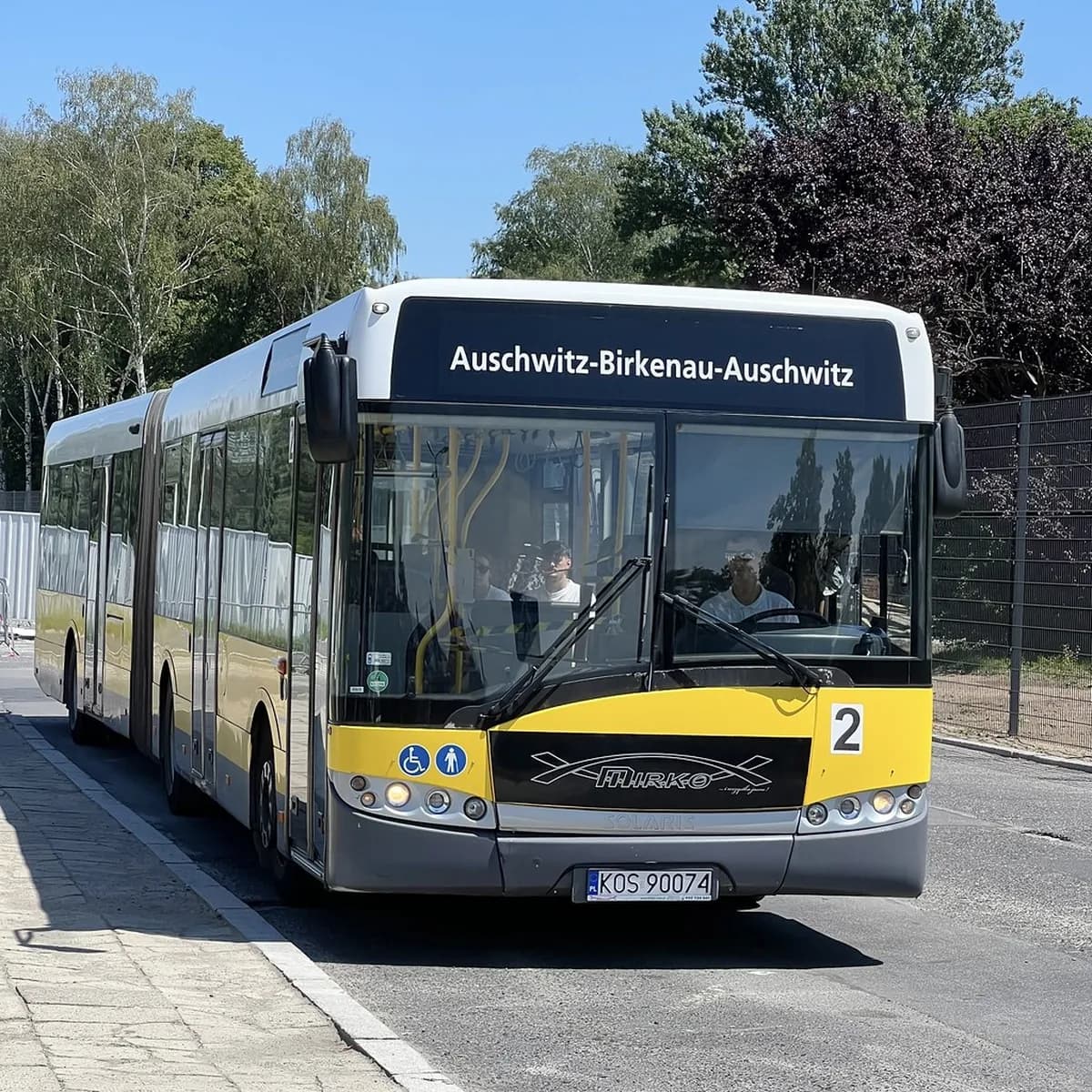
Auschwitz-Birkenau is the most significant day trip from Krakow and should be on every serious traveler's itinerary. The memorial preserves both Auschwitz I, a former labor camp with exhibition buildings, and Auschwitz II-Birkenau, the vast death camp three kilometers away. Walking these grounds puts the scale of the Holocaust into immediate, visceral context in a way that no book can replicate. Plan to spend at least four hours on site to do both camps justice.
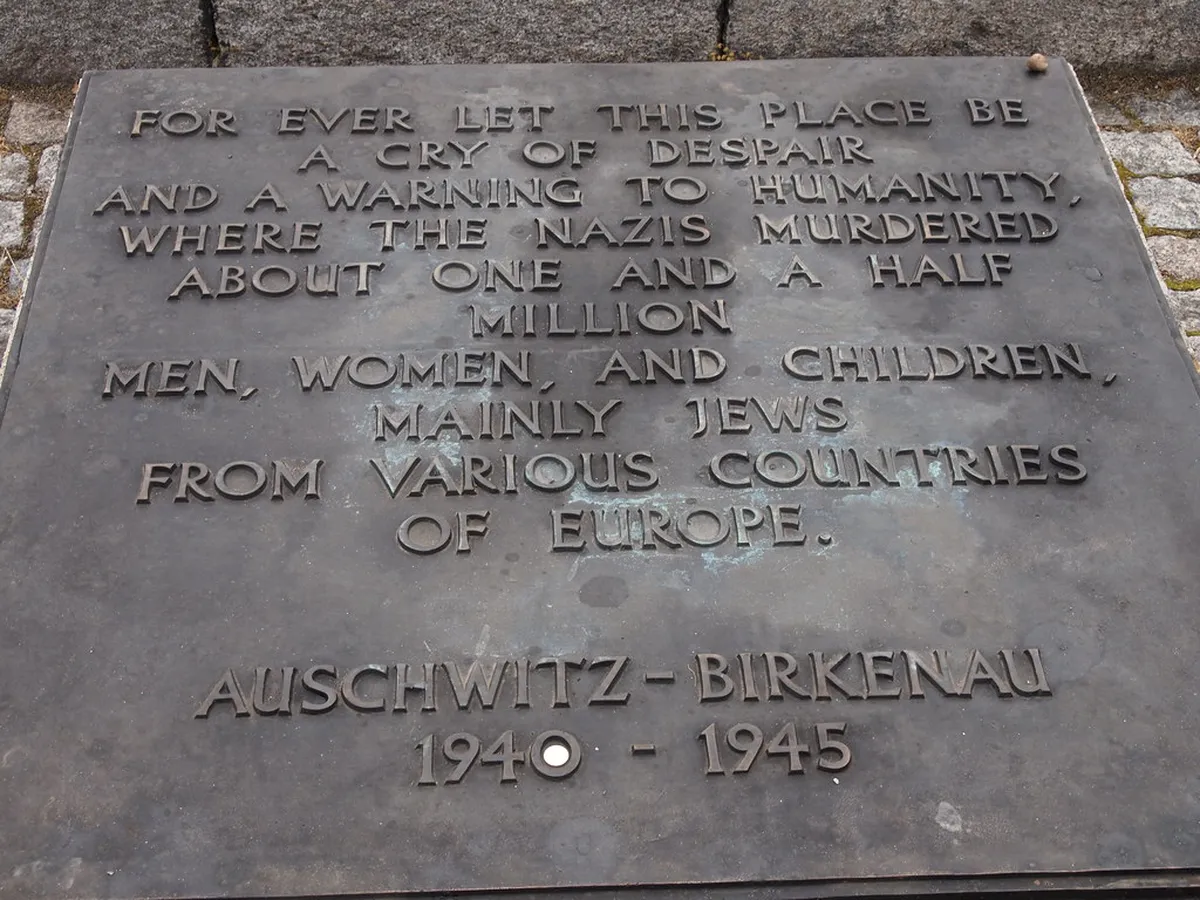
Tickets for the guided tour must be booked in advance — often two to three months ahead in peak season. Free self-guided entry is available before 10 AM and after 3 PM, when guided groups are less dominant. The site is in Oświęcim, 70 km from Krakow, reachable by direct bus from the MDA Bus Station in about 1.5 hours. Our Krakow to Auschwitz day trip guide covers transport options and entry rules in detail.
Pro tip: Book your ticket on the official Auschwitz memorial website as soon as your travel dates are confirmed. Avoid third-party resellers that charge excessive markups for the same entry slot. Dress respectfully and bring water, as the open-air sections of Birkenau offer little shade.
- Distance from Krakow: 70 km, about 1.5 hours by bus
- Buses depart regularly from the MDA Bus Station on Bosacka Street in Krakow.
- The journey takes around 90 minutes and costs approximately 15–18 PLN each way.
- Organized tours pick you up from the city center and handle all logistics.
- Best time to visit: spring or autumn on a weekday
- Summer crowds peak in July and August, making advance booking even more critical.
- Weekday visits in April, May, or September offer a noticeably quieter experience.
- Winter visits are permitted but bring warm layers for the exposed Birkenau site.
Wieliczka Salt Mine
The Wieliczka Salt Mine sits just 14 km from Krakow's Old Town, making it the easiest day trip on this list by travel time. It earned UNESCO World Heritage status in 1978 and has operated continuously since the 13th century. The standard tourist route descends over 135 meters underground through carved chambers, underground lakes, and centuries-old salt sculptures. The highlight is the Chapel of St. Kinga, a vast cavern with an altar, chandeliers, and bas-relief artworks carved entirely from salt.
From Krakow Główny station, a minibus to Wieliczka runs frequently and costs around 6 PLN. The journey takes roughly 30 minutes, making this feasible even as a half-day excursion. Ticket prices for the standard tourist route run approximately 120 PLN for adults; booking online in advance avoids queues. The mine stays at a constant 14°C year-round, so carry a light jacket regardless of the season.
Pro tip: The mine's tourist route ends at a lower level than it starts, and the exit is by elevator only. Skip the overpriced gift shop inside the mine and browse the market stalls near the entrance instead. If you enjoy salt mines, also consider the Bochnia Salt Mine a few kilometers further south for a less commercialized experience.
- Distance from Krakow: 14 km, about 30 minutes
- Minibuses depart from Krakow's main square (Rynek Główny) and from the train station.
- A round trip by minibus costs approximately 12 PLN total.
- Guided day tours from Krakow typically combine Wieliczka with another site like Auschwitz.
- Best time to visit: any season, morning arrival recommended
- The mine is open year-round and maintains a constant underground temperature of 14°C.
- Arriving before 9 AM on weekdays reduces wait times for the tour group entry.
- School holiday periods in summer and December bring noticeably larger crowds.
Zakopane and the Tatra Mountains
Zakopane is the gateway to the Tatra Mountains, Poland's most dramatic alpine landscape. The town is worth exploring for its wooden highland architecture, food stalls selling oscypek (smoked sheep's cheese), and the busy pedestrian Krupówki street. From the town, the most popular hike leads to Morskie Oko, a glacial lake at 1,395 meters above sea level. The walk from the nearest car park takes roughly two hours each way and suits fit beginners.
Buses and minibuses to Zakopane depart from Krakow's MDA Bus Station throughout the day, with the journey taking 1.5 to 2 hours. Train services from Krakow Główny also run regularly, though the bus is often faster. In winter, Zakopane transforms into a ski resort, with slopes on Kasprowy Wierch and Gubałówka drawing Polish families on weekends. Our Krakow Tatra hiking guide covers the best trails by season and fitness level.
Pro tip: The road to Morskie Oko is closed to private cars. Take a horse-drawn carriage or walk the 9 km track from the Palenica Białczańska car park. Chochołów thermal baths, 20 km west of Zakopane, make an excellent addition to a full-day itinerary. Plan to return from Zakopane no later than 6 PM to avoid heavy weekend evening traffic.
- Distance from Krakow: 100 km, about 2 hours by bus
- MDA Bus Station in Krakow runs frequent departures starting from around 6 AM.
- The bus fare is approximately 20–25 PLN one way.
- Private minibus taxis can be negotiated for group travel and are sometimes faster.
- Best time to visit: June to September for hiking, December to March for skiing
- The Morskie Oko trail is open all year but can be icy and dangerous in early spring.
- July and August are the busiest months; start early to beat crowds on the trail.
- Winter weekends draw large Polish domestic crowds — consider a midweek trip in January or February.
Dunajec River Gorge Rafting
The Dunajec River Gorge cuts through the Pieniny mountain range along the Polish-Slovak border, forming one of Central Europe's most scenic waterways. Traditional wooden raft trips have run here since the 19th century, with gondoliers in highland costume guiding flat-bottomed rafts through the limestone canyon. The standard route from Sromowce Wyżne to Szczawnica covers about 18 km and takes two to three hours on the water. This is a seasonal experience: rafting operates from May to October only.
Getting to the gorge independently requires a bus to Krościenko or Nowy Targ and a local connection onward, which can be complex. Most travelers opt for an organized day trip from Krakow that handles transfers and raft tickets, costing roughly 200–280 PLN per person. The canyon walls reach up to 300 meters in places, and the gentle current makes this suitable for all ages. Bring a waterproof bag for cameras and valuables, as spray from rapids can catch passengers off guard.
Pro tip: Combine the rafting trip with a visit to Niedzica Castle, a 14th-century fortress perched directly above the Czorsztyn reservoir. Rafting ends in Szczawnica, a spa town with mineral water springs worth exploring before the return journey. Book the combined Zakopane and Dunajec rafting tour if you want to maximize one long summer day away from Krakow.
Ojców National Park and Pieskowa Skała
Ojców National Park is Poland's smallest national park, located just 25 km north of Krakow in the Prądnik River valley. Despite its size, it packs in dramatic limestone rock formations, cave systems, and the 14th-century Pieskowa Skała Castle perched on a white-rock cliff. The park's most photographed feature is Hercules' Club, a 25-meter limestone pillar rising from the valley floor with a small house balanced on top. Well-marked trails through the valley connect the castle, cave entrances, and the village of Ojców within a comfortable three-hour walk.
Buses and minibuses run from Krakow's Krowodrza Górka stop to Ojców on weekends; weekday services are less frequent. A taxi or rideshare from Krakow costs approximately 80–100 PLN each way and is the most convenient option for small groups. Entry to the national park is free, though the castle charges a modest admission for its Renaissance interior and art collection. This is one of the best half-day trips from Krakow for families with children who enjoy short hikes and castle exploration.
Pro tip: Visit on a weekday to experience the valley at its quietest, as weekend day-trippers from Krakow fill the main trail by midmorning. Pack a picnic, as dining options inside the park are limited to a single café near the castle. The bat caves near Ojców village are open for guided tours in summer months — check local signs for seasonal schedules.
Zalipie: The Painted Village
Zalipie earns its reputation as the most visually distinctive village in Poland. Every surface — houses, fences, wells, and dog kennels — is decorated with elaborate floral folk-art paintings. The tradition was popularized by local artist Felicja Curyłowa, whose home is now the Painter's Cottage museum. Located about 90 km northeast of Krakow, Zalipie sees almost no commercial tour traffic.
Reaching Zalipie independently requires a bus to Dąbrowa Tarnowska and a local connection, making a rental car or organized tour more practical. The nearby town of Tarnów, 15 km away, is worth combining into the same day for its Renaissance market square and well-preserved Jewish heritage. Admission to the Painter's Cottage is inexpensive and the garden displays year-round, even outside competition season. Visiting early in the morning allows time for both Zalipie and Tarnów before returning to Krakow by late afternoon.
Pro tip: Bring cash to buy hand-painted ceramics directly from residents near the village. Prices are far lower than what Krakow's souvenir shops charge for similar pieces. The village is compact enough to walk end to end in about an hour, so budget extra time for the Tarnów detour. Check whether the Painter's Cottage is closed for seasonal breaks before you travel.
Częstochowa and the Jasna Góra Monastery
Jasna Góra Monastery in Częstochowa is Poland's holiest site and its most visited pilgrimage destination. The monastery's main draw is the Black Madonna, a 14th-century icon venerated by millions of Catholics each year. Arrive during a scheduled unveiling ceremony when the icon is revealed with ceremony — the chapel can feel crowded at peak hours. The complex also includes a treasury, a chapel of the founding fathers, and ramparts with panoramic views.
Częstochowa is roughly 120 km northwest of Krakow, accessible by direct train from Krakow Główny in about two hours. Train tickets cost around 35–55 PLN one way depending on the service; the PKP Intercity express is the fastest option. Entry to the monastery is free, though donations are welcomed and some special areas have small admission charges. Most visitors spend three to four hours at the complex before returning to Krakow in the early evening.
Pro tip: Check the unveiling schedule on the monastery website before visiting. Avoid August 15, the Feast of the Assumption, when hundreds of thousands of pilgrims converge on the site. The atmosphere inside the chapel is reflective and respectful — dress conservatively and keep noise to a minimum. Most visitors complete the full complex in three to four hours before returning to Krakow by evening.
Energylandia Amusement Park
Energylandia, in Zator about 50 km west of Krakow, is Central Europe's largest theme park. It is home to Hyperion, one of Europe's tallest steel coasters at 77 meters and 142 km/h. Beyond the thrill rides, the park includes a family zone, a summer water park, and a Bajkolandia area for young children. A full day is needed to cover the main attractions without rushing.
Direct shuttle buses run from Krakow to Energylandia on weekends during the main season, making it straightforward for visitors without a car. Entry tickets cost approximately 200–250 PLN per adult; purchasing online in advance typically saves 15–20% off gate prices. The park operates from spring through autumn, with reduced hours and some rides closed in the shoulder months. This is the best day trip from Krakow for families with children or groups looking for a high-energy alternative to historical and cultural sites.
Pro tip: Arrive at opening time to ride Hyperion before the queue builds; by noon, wait times can exceed 90 minutes. Pack sunscreen and comfortable shoes, as the park is large and mostly exposed to direct sun. Check the official Energylandia website for the current seasonal schedule before booking transport.
Tyniec Benedictine Abbey
Tyniec Benedictine Abbey perches on a limestone cliff above the Vistula River, just 12 km southwest of Krakow's Old Town. Founded in the 11th century, it is one of Poland's oldest continuously active monasteries and still houses a community of Benedictine monks. The abbey's church interior is modest but beautiful, and the cliff-top terrace offers a wide view over the river and valley below. Gregorian chant concerts are held here periodically — check the monastery's calendar if you want to time your visit accordingly.
The most rewarding way to reach Tyniec is by cycling the 12 km riverside bike path that follows the Vistula from Krakow's Dębniki district. Bike rentals are widely available in Krakow from around 30–50 PLN per day, and the flat path is suitable for casual cyclists. Bus route 112 also connects Krakow's city center to Tyniec in roughly 40 minutes for those who prefer public transport. This trip works beautifully as a half-day excursion, leaving the afternoon free for Krakow's historic Old Town walking tours.
Pro tip: The abbey shop sells monk-made honey products and mead — distinctive gifts unavailable in Krakow's tourist shops. Combine the bike ride with a stop at the sandy riverbanks near Bielany for a picnic before continuing to the abbey. Weekday afternoons are quieter than weekend mornings, when local cycling groups cluster at the terrace.
Kosice: A Cross-Border Trip to Slovakia
Kosice, Slovakia's second-largest city, sits about 230 km southeast of Krakow. Its main draw is the St. Elisabeth Cathedral, the easternmost Gothic cathedral in Central Europe. The historic centre is compact and walkable, with well-preserved medieval architecture and a food scene cheaper than Krakow. The restored Hlavná Street is pedestrianized and lined with baroque and art nouveau facades.
The most direct route is by car or private shuttle, covering 230 km in about 2.5 hours via the E50 motorway. Poland and Slovakia are both in the Schengen Area, so most Western passport holders cross without stopping. Always verify your nationality's current entry requirements before the trip. Organized day trips from Krakow to Kosice exist but are rare — check with local operators well in advance.
Pro tip: Meals in Kosice cost roughly half what you pay in Krakow — lunch at a Slovak restaurant runs about 10–15 EUR. The Slovak Philharmonic Hall and East Slovak Museum are worth brief visits if time allows after the cathedral. Confirm that your rental car permit covers cross-border driving into Slovakia if you plan to self-drive.
Bochnia Salt Mine: The Insider Alternative
While Wieliczka gets all the attention, Bochnia Salt Mine offers a more authentic and far less crowded underground experience. Founded in 1248, Bochnia is actually older than Wieliczka and holds the distinction of being the oldest salt mine in Poland. Both sites share UNESCO World Heritage status, but Bochnia's visitor numbers are a fraction of its more famous neighbor. The mine sits about 45 km east of Krakow, reachable by PKP Intercity train in roughly 40 minutes.
The standard tourist route includes the Ważyn Chamber, an impressive hall used for therapeutic salt cave sessions and wellness programs. Uniquely, Bochnia offers an underground zip line experience inside one of its main chambers — a feature Wieliczka cannot match. Adult tickets cost approximately 65–80 PLN, noticeably less than Wieliczka's 120 PLN, and queues are rarely long even on summer weekends. For travelers who find Wieliczka too crowded or too commercialized, Bochnia is the clear alternative on the same day-trip circuit from Krakow.
Pro tip: Book the wellness salt cave session ahead if you have respiratory sensitivities. It is one of the few underground therapeutic experiences available to casual visitors in Poland. Bochnia town has a pleasant market square and good local bakeries worth exploring around the mine tour. Combining Bochnia with nearby Niepołomice Castle makes a complete full-day loop east of Krakow.
Lanckorona: The City of Angels
Lanckorona earns the title "City of Angels" from its striking wooden market square, preserved almost intact from the 19th century. Carved porches and painted shutters line a sloping cobblestoned square framed by a hilltop church. Above the village, the ruins of a 14th-century castle offer panoramic views across the Lesser Poland highlands. Located about 50 km southwest of Krakow, Lanckorona sees almost no package-tour traffic.
By public transport, take a bus to Kalwaria Zebrzydowska and then a local bus or short taxi to Lanckorona. By car, the drive takes under an hour and allows easy combination with Kalwaria Zebrzydowska en route. The castle ruins are freely accessible via a short uphill path from the main square. A single café on the square serves homemade food — arriving at lunchtime makes sense before exploring above.
Pro tip: Visit Lanckorona on a clear day, as the panoramic views from the castle depend entirely on visibility. The village is best explored on foot; the compact market square and castle path together take about two hours without rushing. Lanckorona pairs well with a Kalwaria Zebrzydowska UNESCO stop on the same route, keeping travel time efficient for the full day.
Essential Logistics: Transport and Timing
Most day trips depart from two main hubs in Krakow: Kraków Główny station and the MDA Bus Station on Bosacka Street. Kraków Główny serves trains to Auschwitz, Wieliczka, Bochnia, and Częstochowa; MDA serves buses to Zakopane, the Dunajec Gorge, and Auschwitz. For groups of three or more, a private driver often costs less per person than individual organized tours. Ride-sharing apps are also useful for closer destinations like Tyniec or Ojców.
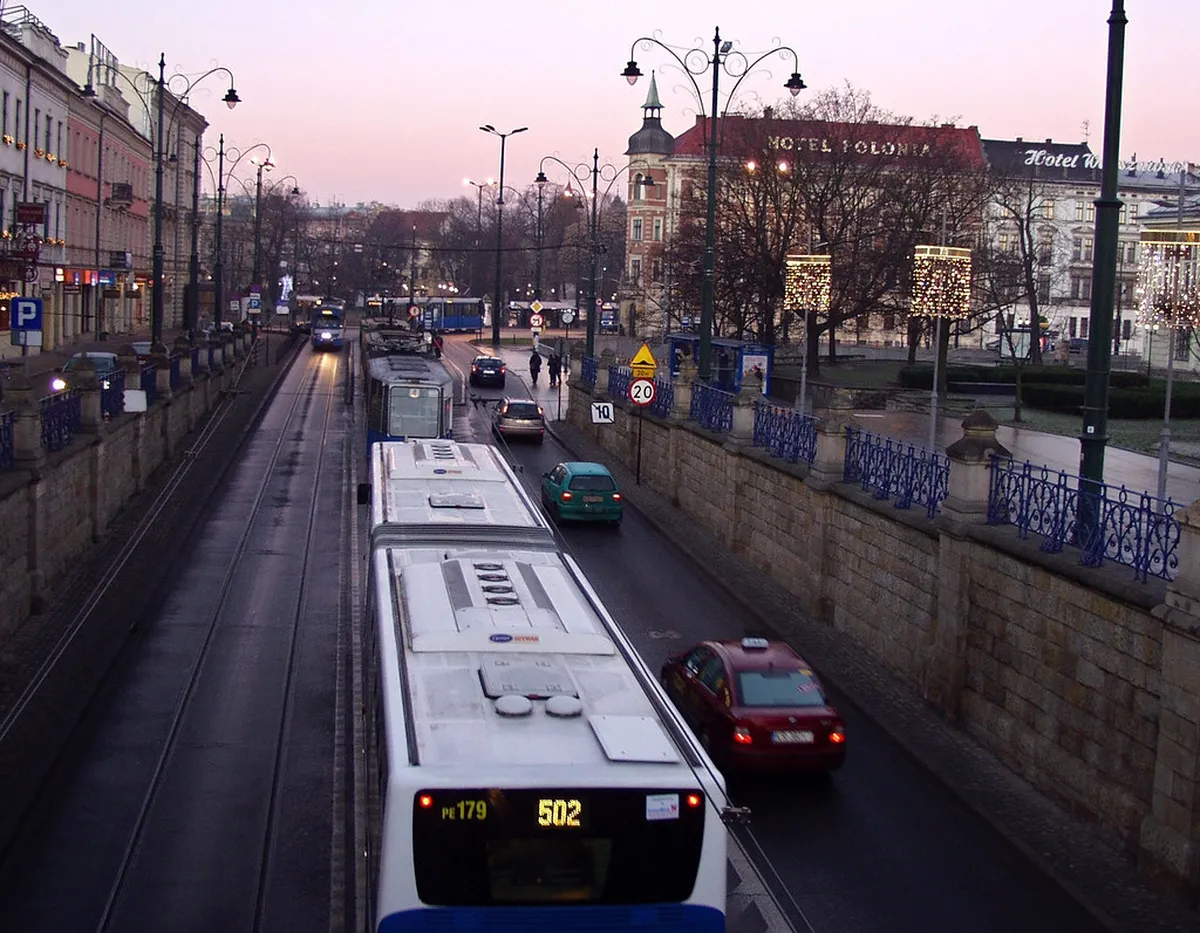
The tour vs. DIY decision comes down to three factors: language, flexibility, and time. For Auschwitz and Wieliczka, guided tours handle the booking and crowd logistics seamlessly — particularly useful for first-time visitors in peak season. For Zakopane, Ojców, and Tyniec, independent travel is straightforward and considerably cheaper than paying for an organized group. Our Krakow adventure tours guide lists vetted operators for the Tatras, rafting, and cycling day trips.
Half-day trips (under 2 hours each way): Wieliczka, Ojców, Tyniec, and Bochnia all work as morning-only or afternoon-only excursions, leaving time for Krakow itself. Full-day trips (3+ hours travel each way or significant on-site time): Auschwitz, Zakopane, Częstochowa, Dunajec Gorge, and Kosice each demand a dedicated day. Plan no more than two destinations in a single day unless they sit on the same travel corridor. Keep in mind that Krakow's food tours and evening experiences are best saved for days when you return before 5 PM.
- Tour vs. DIY comparison for the top three trips
- Auschwitz by tour: 150–220 PLN per person, pickup included, guide handles entry logistics.
- Auschwitz by DIY: 15–18 PLN bus fare each way, free entry (pre-10 AM or post-3 PM), self-paced visit.
- Wieliczka by tour: 180–250 PLN per person including Krakow pickup and mine ticket.
- Wieliczka by DIY: 6 PLN minibus fare, 120 PLN mine ticket, roughly 50% savings overall.
- Zakopane by tour: 120–180 PLN including bus, guide, and sometimes a cable car or rafting add-on.
- Zakopane by DIY: 20–25 PLN bus fare, no entry fee for trails, very straightforward to navigate.
| Destination | Distance | Travel Time | DIY Transport | Entry / Ticket | Guided Tour | Best For |
|---|---|---|---|---|---|---|
| Auschwitz-Birkenau | 70 km | ~1.5 hrs by bus | 15–18 PLN each way | Free (pre-10 AM or post-3 PM) | 150–220 PLN (pickup incl.) | History & memorial |
| Wieliczka Salt Mine | 14 km | ~30 min by minibus | 6 PLN one way | ~120 PLN (adult) | 180–250 PLN (pickup + ticket) | Half-day, any season |
| Zakopane & Tatra Mountains | 100 km | ~2 hrs by bus | 20–25 PLN one way | No entry fee for trails | 120–180 PLN (bus + guide) | Hiking (Jun–Sep), skiing (Dec–Mar) |
| Bochnia Salt Mine | 45 km | ~40 min by train | — | 65–80 PLN (adult) | — | Crowds-averse; Wieliczka alternative |
| Częstochowa (Jasna Góra) | 120 km | ~2 hrs by train | 35–55 PLN one way | Free (monastery) | — | Pilgrimage & cultural history |
| Dunajec River Gorge Rafting | — | — | — | — | ~200–280 PLN per person | Scenic rafting (May–Oct) |
| Energylandia | 50 km | — | — | ~200–250 PLN (adult) | — | Families & thrill-seekers |
Frequently Asked Questions
What is the best day trip from Krakow?
Auschwitz-Birkenau is the most historically significant day trip from Krakow and the most frequently recommended by experienced travelers. For nature lovers, Zakopane and the Tatra Mountains rank equally high. Wieliczka Salt Mine is the best option for a short half-day trip, given its proximity of just 14 km from the city center.
How far in advance do I need to book Auschwitz tickets?
Book Auschwitz tickets at least two months in advance during peak summer, when guided entry slots fill weeks ahead. In the low season (November to March), two to three weeks is usually enough. Self-guided free entry before 10 AM or after 3 PM requires no booking but limits your time on site.
Can I do multiple day trips from Krakow in one day?
Combining two destinations in one day works only when both lie on the same travel route and neither demands more than two hours on site. Wieliczka and Bochnia, or Lanckorona and Kalwaria Zebrzydowska, pair well this way. Auschwitz, Zakopane, and Częstochowa each need a full dedicated day. Check Krakow's free walking tour options for days when you return early.
Is it easy to reach Zakopane from Krakow without a car?
Zakopane is straightforward to reach without a car. Frequent buses and minibuses depart from Krakow's MDA Bus Station throughout the day, with the journey taking 1.5 to 2 hours and costing roughly 20–25 PLN one way. Trains from Krakow Główny also connect to Zakopane, though the bus is often more direct and equally affordable.
What is the Bochnia Salt Mine and how does it compare to Wieliczka?
Bochnia Salt Mine, founded in 1248, is older than Wieliczka and shares its UNESCO World Heritage status. Key differences: far fewer crowds, roughly half the admission price, and a unique underground zip line. Travelers seeking a more authentic, less commercialized experience should consider Bochnia over Wieliczka.
Krakow's position in the heart of Lesser Poland makes it one of the best-positioned cities in Central Europe for single-day excursions. Whether you spend your day walking the corridors of Auschwitz-Birkenau, cycling to a riverside Benedictine monastery, or exploring a folk-painted village that commercial tours ignore, each trip adds a layer to your understanding of the region. Plan your itinerary by travel time first, then by interest, and leave at least one full day in Krakow itself to explore the Old Town and Kazimierz district.
The twelve destinations above range from half-day escapes to demanding full-day commitments, so match each to your energy and schedule. For most travelers, two or three well-chosen day trips alongside a base of Krakow exploration produces a far richer trip than rushing through five sites at speed. Book the time-sensitive attractions — Auschwitz above all — as early as possible, and let the rest of the itinerary stay flexible.
Free: The Krakow Essentials guide
Top things to do, where to stay, a perfect day plan, getting around, and the best time to go — a Krakow mini-guide you can take offline.
Plan the next decision
Continue reading
More independent guides you'll find useful