Kotor Food Tours: Are They Worth It in 2026?
Kotor food tours reviewed for 2026: what's included, pricing, pros and cons, and our honest verdict on which tours are truly worth your time.
On this page
Kotor Food Tours Reviewed: What's Worth Booking
Last updated June 2026.
Kotor's Old Town is one of the Adriatic's most atmospheric walled cities, and its food scene reflects centuries of Venetian, Ottoman, and coastal Adriatic influence. Food tours have become one of the most popular ways to explore that layered culinary identity in just two to three hours. But not every tour delivers the same value, and the range of options can feel confusing when you're planning from abroad.
⚡ Tour Verdict quick take: Kotor food tours reviewed for 2026: what's included, pricing, pros and cons, and our honest verdict on which tours are truly worth your time.
We've broken down what Kotor food tours actually include, which formats earn their price, and who genuinely benefits from booking one. Our goal is a clear verdict — not a list of highlight reel superlatives — so you can decide before you pay. Read on for the full breakdown, covering everything from must-try dishes to the booking mistakes most visitors make.
Free: The Kotor Essentials guide
Top things to do, where to stay, a perfect day plan, getting around, and the best time to go — a Kotor mini-guide you can take offline.
Key Takeaways
- Shared food tours run €35–€65 per person; private tours start around €100–€150 for two.
- Book at least a week ahead in July and August when popular formats sell out quickly.
- Late-afternoon tours offer the best balance of cooler temperatures and atmospheric Old Town light.
- Email operators in advance about dietary restrictions — vegetarian and vegan options are limited in Montenegrin cuisine.
- The cooking class combo format delivers the strongest takeaway value for food-focused travelers.
What Kotor Food Tours Actually Include
Most Kotor food tours follow a walking format through the Old Town, stopping at four to seven food stations over two to three hours. Each stop combines a tasting with a short story about the dish, the producer, or the cultural context behind it. That blend of eating and storytelling is what separates a good food tour from a simple self-guided snack walk.
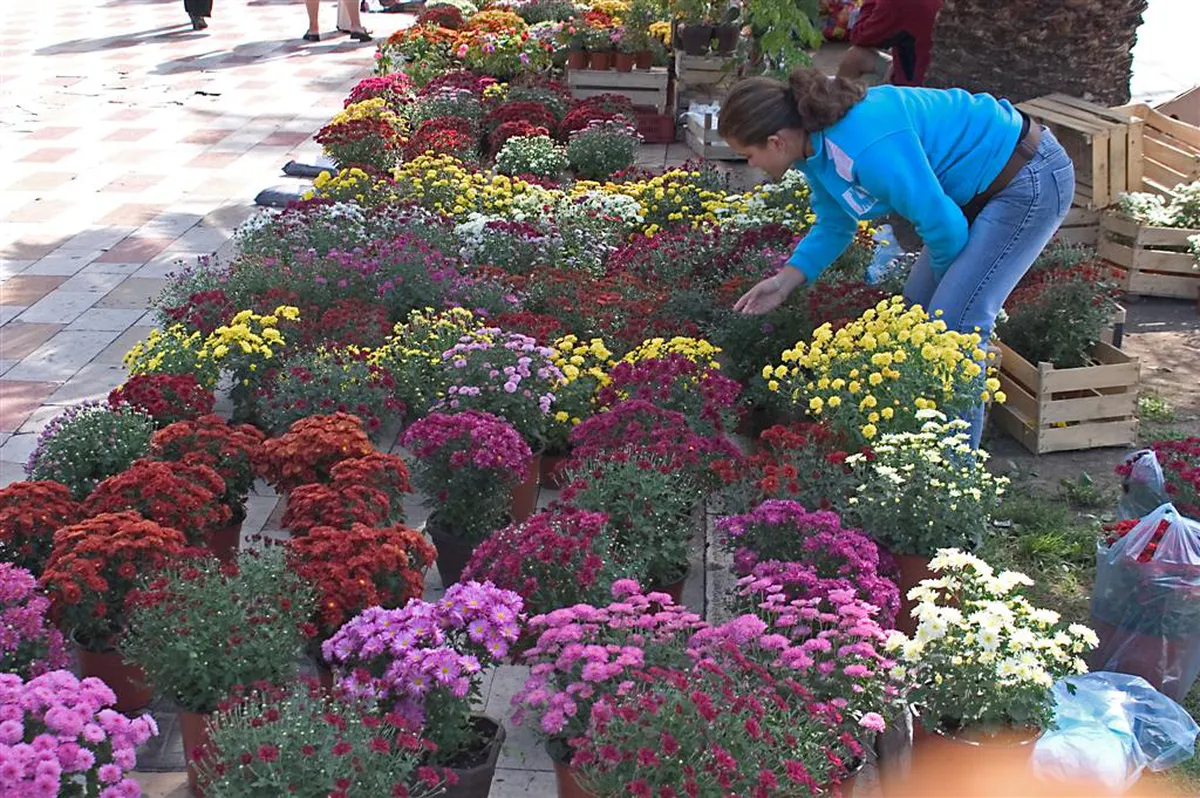
Standard tours include enough food to count as a light meal, though most operators are careful not to promise a full dinner's worth. Expect charcuterie, cheese, a cooked street-food item, a local sweet, and at least one alcoholic drink — typically rakija or local wine. Dietary restrictions are usually accommodated with advance notice, but vegetarian and vegan options are limited in Montenegrin cuisine, so confirm before booking.
Group sizes typically run between six and fourteen people on shared tours, which affects how much time guides can spend with each guest. Private tours cost more but allow a completely customized pace and route, which is worth the premium for food-focused travelers who want depth over breadth. Check the listing carefully — some tours labeled 'food tour' are primarily walking history tours with only one or two bites included.
Duration matters more than it sounds: a 90-minute tour rarely covers more than three stops, while a three-hour format allows genuine exploration. The longer formats also tend to venture slightly outside the main tourist corridor, which is where the more interesting local spots tend to be found. If you're planning to combine this with a Kotor walking tour on the same day, the shorter food tour format is usually the better pairing.
Best Kotor Food Tours: Our 2026 Verdicts
The tour market in Kotor is smaller than in larger Adriatic cities, which actually works in visitors' favor — fewer operators means each one tends to invest more in quality. Below are the main formats you'll encounter, with our assessment of what each delivers and who it suits best. Prices should be verified at booking since seasonal adjustments are common; treat the ranges here as planning benchmarks.
The Old Town street food walking tour is the most widely available format, typically running two to two-and-a-half hours. These tours strike the best balance of price and content for first-time visitors, covering local staples without overwhelming the itinerary. They work especially well as a first-evening activity before you've had time to research the best local spots yourself.
- Old Town Street Food Walking Tour
- Duration runs two to two-and-a-half hours through the walled city.
- Price typically falls between €35 and €55 per person on a shared tour.
- Stops include charcuterie, local cheese, a cooked snack, rakija, and one dessert item.
- Best for first-time visitors wanting a structured introduction to Montenegrin flavors.
- Kotor Food and Wine Combo Tour
- Duration is usually three hours and includes a seated wine tasting segment.
- Price ranges from €55 to €80 per person depending on the wine selection.
- Pairs local Vranac and Krstac wines with charcuterie boards and regional olive oils.
- Best for wine-curious travelers or couples celebrating a special occasion.
- Seafood-Focused Coastal Tour
- Duration typically runs two hours, often starting near the harbour area.
- Price ranges from €45 to €65, reflecting the higher cost of fresh seafood ingredients.
- Highlights include Boka Bay mussels, grilled fish, and local octopus preparations.
- Best for seafood lovers who want to prioritise coastal dishes over meat-heavy options.
- Private Customised Food Tour
- Duration and route are set by the guest, typically two to four hours.
- Price starts around €100 to €150 for two people, making it a genuine splurge.
- Allows complete flexibility — dietary needs, pace, and neighbourhood choice all adapt to you.
- Best for honeymooners, food professionals, or travelers who dislike group formats.
- Food and Cooking Class Combo
- Duration is typically three to four hours including hands-on preparation time.
- Price ranges from €65 to €95 per person at most Kotor operators.
- Participants cook one to two traditional Montenegrin dishes before sitting down to eat them.
- Best for travelers who want to recreate meals at home, not just sample them on tour.
Montenegrin Food You'll Try on These Tours
Montenegrin cuisine sits at a crossroads between Adriatic seafood traditions and Balkan highland cooking, and Kotor's position on the bay makes both accessible. Food tours here tend to lean coastal, but the best ones make room for the inland staples that most visitors never discover on their own. Understanding what you're eating — and why — is one of the things a knowledgeable guide genuinely adds.

Prsut is Montenegro's air-cured ham, produced in the mountain villages above the coast and aged for at least a year before reaching the table. It's denser and saltier than Italian prosciutto, and sliced thin it pairs naturally with the local sheep's cheese called sir. Together they're the most common opening move on a Montenegrin charcuterie board, and they appear on nearly every food tour in Kotor.
Cicvara is a cornmeal porridge enriched with cream and cheese, and it's the kind of dish that surprises visitors who expect lighter coastal food. It rarely appears on tourist restaurant menus, which makes the food tour the most reliable way to try it in Kotor. Similarly, kacamak — a thicker cornmeal dish sometimes combined with potatoes — represents the highland food culture that the coast often overlooks.
Seafood options depend on the tour format, but Boka Bay mussels are the standout local ingredient when they appear. Farmed in the sheltered waters of the bay, they're notably sweeter than Atlantic varieties and tend to be simply prepared — steamed or in a light tomato-wine broth. Local rakija, usually grape or quince-based, closes most tours as both a palate cleanser and a cultural gesture — refusing it is generally considered mildly impolite.
How to Book and Get the Best Value
Booking two to three days in advance is sufficient for most of the year, but the peak summer window from late June through August fills faster than many visitors expect. July and August tours sometimes sell out a week ahead, particularly private formats and the smaller-group options that cap at eight people. If you're traveling in peak season, book the moment you confirm your Kotor dates.
Morning tours — starting around 10am — are cooler and often smaller, since many visitors prefer afternoon activities after a late night. Evening tours benefit from the Old Town's atmospheric lighting but can run warmer in summer and occasionally attract larger groups. The late-afternoon slot, around 5pm to 6pm, tends to be the sweet spot: good light, moderate heat, and a natural lead-in to dinner.
Bring cash as a backup even if the platform accepts cards, since some local stops along the route operate cash-only. Wear comfortable flat shoes — the Old Town's cobblestones are genuine, not decorative, and uneven underfoot after rain. Arriving a few minutes early also matters: food tour guides typically start on time because the stop-by-stop format has a tight rhythm.
Group tours offer the best price-per-person ratio, but they lock you into someone else's pace and stopping points. If budget allows, the Kotor cooking class format goes further in depth for similar time investment and a higher takeaway value. Comparing tour listings side-by-side on the booking platform before committing will show you which operators include the most stops per hour — that's a reliable quality proxy.
Who Should Book a Kotor Food Tour
Food tours make most sense for travelers spending two to four days in Kotor who want a structured anchor activity on their first full day. They work particularly well for solo travelers, who get genuine social interaction built into the format without needing to plan it. Couples on a short trip also benefit because a single tour replaces several hours of research and trial-and-error restaurant hunting.
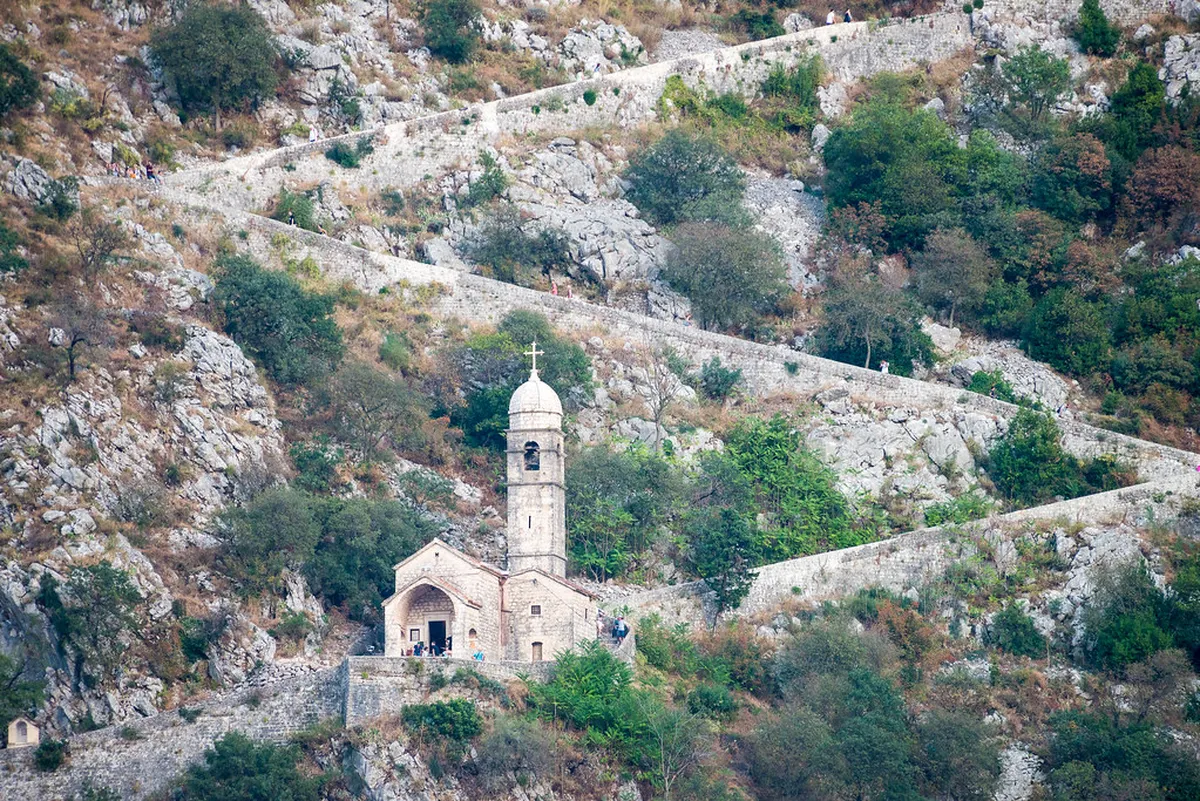
Travelers who have already visited Kotor before and eaten their way around the Old Town may find the standard tour covers familiar ground. In that case, a private tour with a custom itinerary or combining food with a day trip from Kotor into the surrounding region may deliver more novelty. The private format is also the right choice for anyone with serious dietary restrictions, since it allows proper advance planning rather than on-the-spot improvisation.
Budget travelers should know that a shared food tour at €35 to €55 is still one of the more cost-efficient ways to orient yourself in Kotor. It replaces two to three restaurant stops you'd pay for separately, while adding the guide's context — that's a reasonable trade at the lower end of the price range. Those on a strict daily budget can also look at combining the Kotor free walking tour with independent market grazing as a lower-cost alternative.
Children over eight generally handle food tours well if parents flag the rakija tasting in advance and ask for a soft drink substitute. Groups with mixed food preferences are the trickiest fit, since Montenegrin cuisine leans heavily on pork and gluten — both hard to avoid on a standard tour route. When in doubt, email the operator before booking rather than assuming dietary needs will be met on the day.
Where to Book Kotor Food Tours
Most Kotor food tours are bookable through GetYourGuide and Viator, which both list the main operators and allow instant confirmation. GetYourGuide tends to carry slightly more Kotor-specific listings; Viator's free-cancellation filter is useful if your arrival time is uncertain. Both platforms show verified reviews and the full stop-by-stop itinerary before you pay, which is the fastest way to compare what each tour actually covers per hour.
Airbnb Experiences lists a smaller number of locally-run formats, occasionally at lower prices, though availability can be irregular outside peak season. Booking direct with the operator — where a contact email appears on the listing — sometimes unlocks a small discount, but removes the platform's cancellation protection. For most visitors, the booking platforms offer the better trade-off: price transparency, real review counts, and clear refund terms.
- GetYourGuide — widest Kotor selection; instant confirmation; cancellation terms vary by listing.
- Viator — comparable inventory; filter by free cancellation for flexible itineraries.
- Airbnb Experiences — smaller selection; locally-run formats; check availability window carefully.
- Direct operator — potential small discount; no platform cancellation protection.
Check prices on at least two platforms before booking — the same tour sometimes appears on both at different rates, and the platform fee structure means one may list cheaper for a given date.
| Tour Format | Duration | 2026 Price (per person) | What's Included | Best For |
|---|---|---|---|---|
| Old Town Street Food Walking Tour | 2–2.5 hours | €35–€55 | Charcuterie, local cheese, cooked snack, rakija, one dessert item | First-time visitors wanting a structured introduction to Montenegrin flavors |
| Food & Wine Combo Tour | 3 hours | €55–€80 | Seated wine tasting (Vranac & Krstac), charcuterie boards, regional olive oils | Wine-curious travelers or couples celebrating a special occasion |
| Seafood-Focused Coastal Tour | 2 hours | €45–€65 | Boka Bay mussels, grilled fish, local octopus preparations | Seafood lovers who want to prioritise coastal dishes over meat-heavy options |
| Private Customised Food Tour | 2–4 hours | €100–€150 for two | Fully flexible route, pace, and dietary accommodation | Honeymooners, food professionals, or travelers who dislike group formats |
| Food & Cooking Class Combo | 3–4 hours | €65–€95 | Hands-on cooking of one to two traditional Montenegrin dishes, then eating them | Travelers who want to recreate meals at home, not just sample them on tour |
Frequently Asked Questions
How long do Kotor food tours typically last?
Most shared Kotor food tours run between two and three hours, covering four to seven tasting stops inside the Old Town. Shorter 90-minute formats exist but include fewer stops. Private tours can be extended to four hours on request. Always check the listed duration before booking, as operators vary.
Are Kotor food tours suitable for vegetarians?
Standard Kotor food tours lean heavily on cured meats and seafood, making full vegetarian coverage difficult. Most operators will substitute dishes with advance notice, but options can be limited since Montenegrin cuisine is traditionally meat-centred. Email the operator at least 48 hours before the tour to confirm what substitutions are possible.
How much do food tours in Kotor cost?
Shared food tours in Kotor generally cost between €35 and €65 per person depending on the format and inclusions. Wine-paired or seafood-focused tours sit at the higher end. Private tours start around €100 to €150 for two people. Verify current prices directly with the operator, as seasonal adjustments are common.
When is the best time to book a Kotor food tour?
Book two to three days ahead for most of the year, but a week in advance for July and August when demand peaks. Late afternoon tours around 5pm offer the best combination of cooler temperatures and atmospheric light. Other Kotor tour options book up similarly fast in high season, so plan your full itinerary early.
Do Kotor food tours include alcohol?
Most Kotor food tours include at least one alcoholic drink — typically local rakija, Vranac red wine, or both — as part of the tasting sequence. Wine-focused tours include multiple pours. If you prefer not to drink alcohol, ask the operator in advance for a non-alcoholic substitute at the relevant stops.
Kotor food tours earn their place in most itineraries as a structured, context-rich way to understand a cuisine that rarely gets the attention it deserves. The Old Town format suits first-timers well, the cooking class combo suits those who want a real skill takeaway, and the seafood tour suits coastal food lovers who want to focus on Boka Bay's best ingredient. Choose the format that matches your travel style, book ahead if you're visiting in peak season, and email the operator in advance if you have dietary restrictions.
Montenegro's food culture is quietly one of the Balkans' most interesting, drawing on Adriatic, Venetian, and highland traditions that don't often appear in the same meal. A well-run food tour is still the fastest way to access all three in a single afternoon. If you want to extend the experience, pairing it with a Kotor seafood tour on a different day gives a fuller picture of what the bay and its surrounding region can offer.
Planning Tours in Other European Cities?
Tour Verdict reviews guided experiences right across Europe. If Kotor is one stop on a bigger trip, here are our honest worth-it verdicts for other foodie and culture capitals worth booking:
- Split Food Tours — worth-it picks for the Dalmatian coast & Diocletian's Palace.
- Ljubljana Food Tours — worth-it picks for farm-to-table Slovenia & Lake Bled.
- Athens Food Tours — worth-it picks for Greek meze & ancient sites.
Free: The Kotor Essentials guide
Top things to do, where to stay, a perfect day plan, getting around, and the best time to go — a Kotor mini-guide you can take offline.
Plan the next decision
Continue reading
More independent guides you'll find useful