9 Best Day Trips from Bruges (2026 Guide)
Planning a day trip from Bruges? Our ranked list of 9 best destinations includes tour-vs-DIY verdicts, real 2026 costs, and train times to help you plan.
On this page
9 Best Day Trips from Bruges for 2026
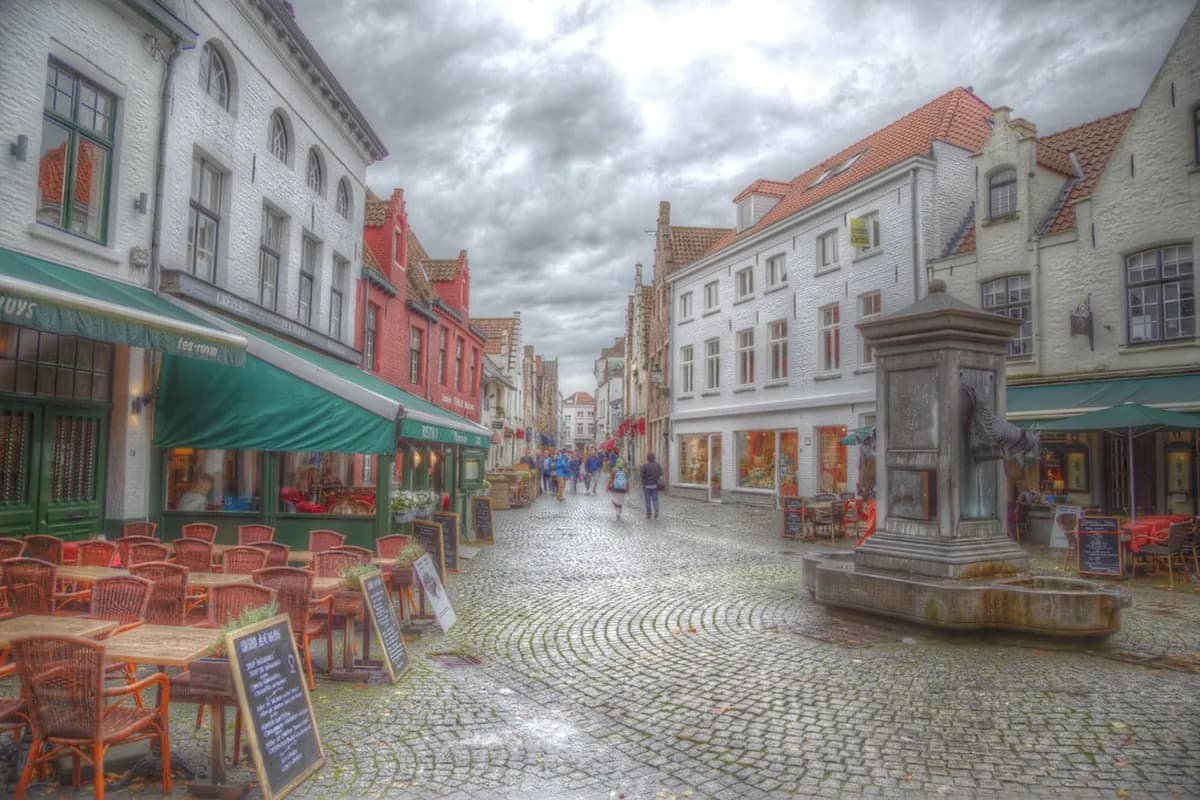
Last updated June 2026 — Bruges is an exceptional base for day trips across Belgium and northern France. Our team at TourVerdict has reviewed both guided tours and solo options for each destination below. Every recommendation comes with a clear verdict on whether paying for a guide actually changes the experience.
⚡ Tour Verdict quick take: Planning a day trip from Bruges? Our ranked list of 9 best destinations includes tour-vs-DIY verdicts, real 2026 costs, and train times to help you plan.
Belgium's NMBS rail network makes most of these trips genuinely self-service. Ghent, Brussels, and Ostend are all easy solo missions with no pre-planning required. A handful of destinations — especially the WWI sites around Ypres — benefit significantly from expert guidance. We flag those distinctions for each destination so you can decide before booking.
Free: The Bruges Essentials guide
Top things to do, where to stay, a perfect day plan, getting around, and the best time to go — a Bruges mini-guide you can take offline.
9 Best Day Trips from Bruges in 2026
Most destinations below are under 90 minutes by train from Bruges-Centraal. Belgian rail fares are among the lowest in Western Europe, making day trips genuinely affordable. Prices listed are 2026 approximate return fares from Bruges-Centraal unless noted otherwise.
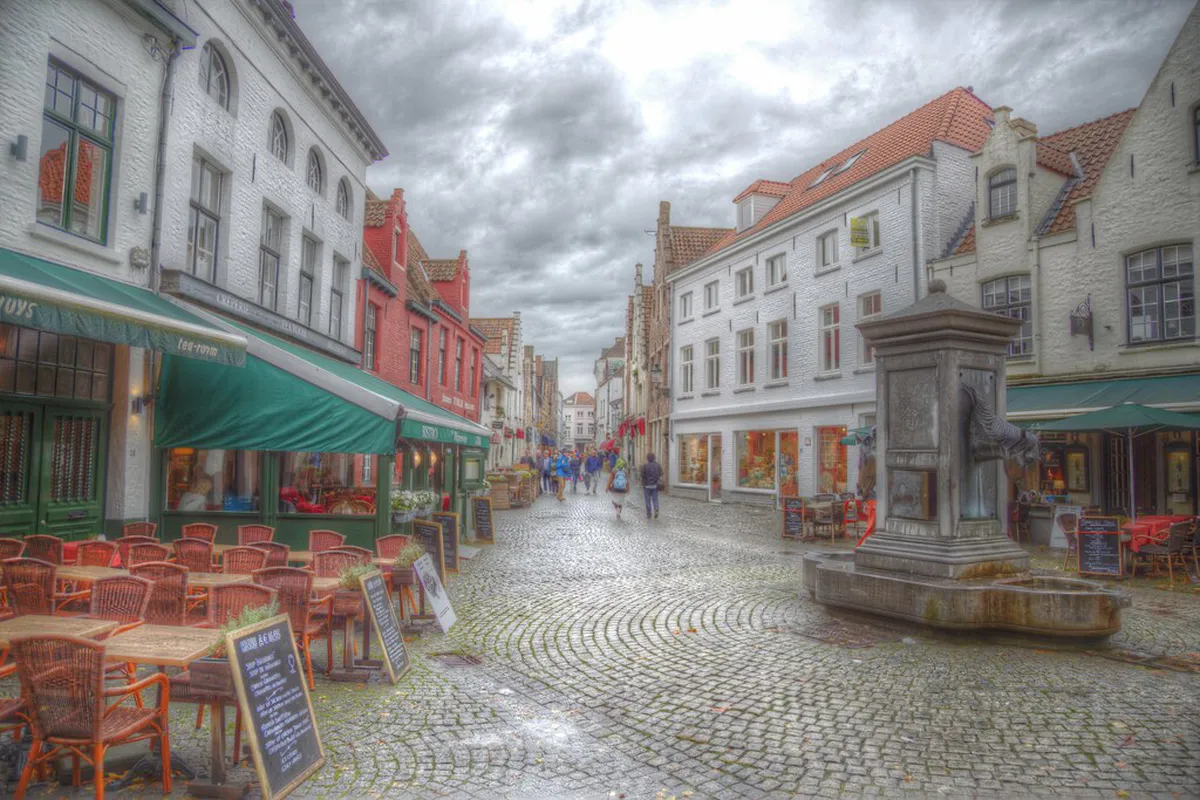
We ranked these nine on the quality of the experience relative to travel time and cost. Several are better with a guide; most are fine to tackle independently. Check the TourVerdict travel hub for updated seasonal pricing and booking windows.
Belgian trains use a fixed-fare system — longer journeys cost more but rarely feel expensive. Buying through the NMBS app is usually a euro or two cheaper than the station ticket window. Weekend and day-return options often cut costs further and are worth checking in advance.
- Ghent — Medieval City, 30 Minutes by Train
- Ghent is a younger, less touristy alternative to Bruges, set along its own medieval canals.
- Direct trains run every 30 minutes from Bruges-Centraal; return fares cost roughly 10 to 15 euros.
- St Bavo Cathedral holds the Ghent Altarpiece — timed tickets cost 12 euros and sell out by mid-morning.
- Gravensteen Castle charges 14 euros per adult and is open daily from 10am to 6pm.
- Tour vs DIY verdict: easy DIY — Ghent is well-signed and straightforward to navigate independently.
- Brussels — Grand-Place and Capital Highlights
- Brussels combines the UNESCO-listed Grand-Place with compact Art Nouveau architecture in a walkable city centre.
- Trains depart every 30 minutes; the 1-hour journey costs roughly 15 to 22 euros return.
- The Magritte Museum charges 12 euros per adult; open Tuesday to Sunday from 10am to 5pm.
- The Grand-Place is free to enter at any hour — arrive before 9am to beat the tour groups.
- Tour vs DIY verdict: best done solo; Brussels has good English signage and a clear metro system.
- Ypres — WWI Battlefields and the Menin Gate
- Ypres is the most emotionally powerful day trip from Bruges, set in the Flanders Fields WWI landscape.
- The journey takes about 75 minutes with one change; a return fare costs 14 to 18 euros.
- In Flanders Fields Museum charges 12 euros per adult; open daily April to November, 10am to 6pm.
- The Menin Gate Last Post ceremony runs every evening at 8pm and is free to attend.
- Tour vs DIY verdict: a guided tour is strongly recommended for meaningful battlefield context beyond the museum.
- Ostend — Beach, Seafood, and the Coastal Tram
- Ostend is the fastest escape from Bruges: 15 minutes by direct train, around 5 to 8 euros return.
- The North Sea beach stretches for several kilometres and is free to access year-round.
- Mu.ZEE art museum charges 10 euros per adult; open Tuesday to Sunday from 10am to 6pm.
- Harbour stalls sell North Sea shrimp croquettes for 4 to 6 euros — a genuine local speciality.
- Tour vs DIY verdict: pure DIY — the 15-minute train ride makes a guide entirely unnecessary.
- Damme — Poplar-Lined Canal Ride from Bruges
- Damme is a walled medieval village 7 km from Bruges, linked by a flat poplar-lined canal towpath.
- Bike hire near Bruges station runs 12 to 18 euros per day; the ride takes around 35 minutes.
- The ruined Gothic church tower costs about 3 euros to climb; the village takes 1.5 hours to explore.
- The return ride into a westerly wind can be testing — worth checking the weather before setting off.
- Tour vs DIY verdict: both work; a guided cycling tour adds useful context on the polder landscape.
- Antwerp — Rubens, Diamonds, and a Grand Station
- Antwerp is Belgium's second city, built around the Cathedral of Our Lady and a world-class art museum.
- Trains take 75 to 90 minutes with one change; a return ticket typically costs 18 to 25 euros.
- The KMSKA holds the world's largest Rubens collection and charges 20 euros per adult; open Tuesday to Sunday.
- Central Station is one of Europe's most ornate train halls — allow 20 minutes to admire the interior.
- Tour vs DIY verdict: manageable independently, though a focused art tour saves time navigating the large KMSKA.
- Lille (France) — Flemish Baroque Across the Border
- Lille sits 85 km south-west of Bruges, blending Flemish architecture with French gastronomy in the Vieux-Lille quarter.
- Travel via Kortrijk takes around 90 minutes and costs roughly 20 to 30 euros return.
- The Palais des Beaux-Arts charges 7 euros per adult; open Wednesday to Monday, 10am to 6pm.
- The Wazemmes market runs Tuesday, Thursday, and Sunday mornings; entry is free and the atmosphere is vivid.
- Tour vs DIY verdict: DIY works well; most Lille centre staff speak English and signage is clear.
- Zeebrugge — Soviet Submarine and a Quieter Beach
- Zeebrugge is Belgium's main deep-sea port, 14 km from Bruges, hosting a walk-through Soviet submarine attraction.
- A direct train takes 15 minutes and costs 5 to 7 euros return; Seafront admission is 18 euros.
- Seafront Zeebrugge is open daily April to October, 10am to 6pm; weekends only in winter.
- The beach here is quieter than Ostend and less commercialised — ideal for a relaxed afternoon.
- Tour vs DIY verdict: easy DIY; the submarine museum is the clear draw and needs no guided interpretation.
- Dinant — Citadel, Saxophones, and the Meuse Valley
- Dinant is one of Belgium's most photogenic towns, wedged between a limestone cliff and the Meuse River.
- Two train changes via Ghent and Namur make it around 2.5 hours each way, costing 25-35 euros.
- The citadel charges 9 euros per adult; a cable car connects the town to the fortress above.
- Dinant is the birthplace of Adolphe Sax — saxophone sculptures decorate every bridge in the city centre.
- Tour vs DIY verdict: book a guided coach tour — the train connections alone justify the premium.
How to Get from Bruges to Each Destination
Bruges-Centraal is well-connected on the Belgian NMBS/SNCB network. Most destinations on this list are reachable by direct or one-change train services. Belgian rail uses a zone-based flat-fare system, and longer journeys cost proportionally more.
For Ypres, the De Lijn regional bus from Bruges takes around 75 minutes and is direct. This avoids the train change at Kortrijk and is often more convenient. Dinant is the one destination where public transport becomes genuinely impractical.
Bike hire shops near Bruges station rent by the half-day for cycling trips to Damme. Mariastraat has several options, with rates from 12 euros per half-day. A Bruges city walking tour on arrival day is useful for getting your bearings first.
For Lille, Belgian and French timetables do not always sync neatly at Kortrijk. Allow extra buffer time there, particularly on Sundays when services run less frequently. Antwerp is faster via Ghent than via Brussels and requires less station navigation.
Tour vs DIY: Which Day Trips Need a Guide?
Most destinations on this list are easy to tackle independently. Belgian cities have good English signage, reliable trains, and clear tourist infrastructure. Our Bruges free walking tour guide covers the self-guided approach in detail.
Ypres is the clearest case where a guide genuinely transforms the experience. The Flanders Fields landscape spreads across dozens of cemeteries and farm fields over a wide area. Guided day trips from Bruges to Ypres typically include Tyne Cot, the Menin Gate, and the museum in a well-paced sequence.
Damme sits in an interesting middle ground — the bike ride itself is the experience. Most solo cyclists manage it without guidance. A cycling tour from Bruges to Damme adds commentary on the polder drainage system and medieval history.
Dinant by guided coach is the one trip where we consider a tour almost obligatory. The transport logistics are otherwise disproportionate to the payoff. Antwerp and Lille are manageable solo but benefit from a focused art-specific guided tour.
What to Skip: Overrated Day Trip Suggestions
Several day-trip lists suggest Amsterdam from Bruges — this is not realistic as a day trip. The return journey alone takes around 7 hours, leaving barely 4 hours on the ground. Amsterdam deserves its own multi-day stay, not a rushed bolt-on from Bruges.
Paris crops up occasionally for the same reason and is equally unrealistic without an overnight. Cologne is sometimes promoted by coach operators, but the 3-hour drive each way leaves little time. Two Belgian destinations in two days yield far more than one rushed long-haul day trip.
Dinant is worth visiting, but only if you have a full relaxed day and enjoy scenic countryside. Anyone short on time should prioritise Ghent or Ypres first. Some 'Bruges day trip' packages marketed as full days are actually just 2-hour evening canal cruises. Check the itinerary carefully before booking anything that sounds suspiciously short on substance.
Practical Tips: Planning Your Day Trip from Bruges
Bruges-Centraal has staffed luggage lockers in the main hall — rates run €3–5 per bag per day. Dropping bags here before boarding lets you travel light and is worth doing on a same-day arrival. The NMBS app (iOS and Android) books tickets and shows live platform information; buying through the app is typically €1–2 cheaper than station windows.
Leave on an early train. Most Belgian museum doors open at 10am and queues build by 11am. A 7:30–8:30am departure gives you a full working day at the destination without cutting the return journey short. Return trains from Ghent and Brussels run until at least 11pm, so there is no pressure to rush back.
For Ypres WWI tours, book at least two weeks ahead in peak season (July–August) — group sizes are capped and the afternoon slots sell out first. Dinant coach tours depart Bruges around 8:30am; check the operator's departure point as several leave from the Markt, not the station. Antwerp is best on a Tuesday–Saturday when both the KMSKA and Cathedral are fully open.
| Destination | Travel Time | Return Fare (2026) | Best For | Tour vs DIY Verdict |
|---|---|---|---|---|
| Ghent | 30 min by direct train | €10–15 | Medieval canals, art, easy second city | Easy DIY |
| Brussels | 1 hour by direct train | €15–22 | Grand-Place, Art Nouveau, capital highlights | Best done solo |
| Ypres | 75 min, 1 change | €14–18 | WWI battlefields, history lovers | Guided tour strongly recommended |
| Ostend | 15 min by direct train | €5–8 | Beach, seafood, coastal tram | Pure DIY |
| Damme | ~35 min by bike | €12–18/day bike hire | Scenic canal cycling, medieval village | Both work; guided adds polder context |
| Antwerp | 75–90 min, 1 change | €18–25 | Rubens, diamonds, grand train station | Manageable independently |
| Lille (France) | ~90 min via Kortrijk | €20–30 | Flemish baroque, French gastronomy | DIY works well |
| Zeebrugge | 15 min by direct train | €5–7 (+ €18 Seafront) | Soviet submarine, quieter beach | Easy DIY |
| Dinant | ~2.5 hours, 2 changes | €25–35 | Citadel, Meuse Valley scenery | Book a guided coach tour |
Frequently Asked Questions
What is the easiest day trip from Bruges?
Ostend is the easiest day trip from Bruges — a direct train takes just 15 minutes and costs around €5–8 return, making it the lowest-effort escape from the city. Ghent is a close second, with trains running every 30 minutes on a 30-minute journey. Both destinations require no planning beyond buying a ticket.
Can you do Bruges and Ghent in the same day?
Yes, though it works best if you arrive in Bruges early, spend the morning there, and take the 30-minute train to Ghent for the afternoon. Ghent's main sites — the Altarpiece, Gravensteen, and the Graslei waterfront — are compact enough to cover in 3–4 hours. Plan to leave Ghent by 6pm to avoid the late-evening rush back.
Is a guided day trip from Bruges worth the cost?
For Ypres and Dinant, yes — guided tours genuinely add value that is hard to replicate independently, either through expert battlefield context or by solving difficult transport logistics. For Ghent, Brussels, and Ostend, a guide is optional since those cities are easy to navigate solo and most visitors find the independence more enjoyable than the added cost.
What is the best day trip from Bruges for history lovers?
Ypres (Ieper) is the standout choice for history enthusiasts, offering the In Flanders Fields Museum, dozens of WWI cemeteries including Tyne Cot, and the moving nightly Last Post ceremony at the Menin Gate. Allow a full day to do it justice, and consider booking a guided tour to cover the wider Flanders Fields battlefield area.
How far is Ghent from Bruges by train?
Ghent is 30–35 minutes from Bruges by direct train, with services departing every 30 minutes throughout the day from Bruges-Centraal. A return ticket costs around €10–15 depending on the time of day, and there is no need to book in advance for most standard services.
These nine destinations cover everything from a 15-minute coastal escape in Ostend to a full day in the Ypres battlefields. Our standing advice: prioritise Ghent if you have one free day, and add Ypres on a second. Those two trips together give the strongest contrast in what Belgium offers.
For Dinant or a deeper Antwerp art dive, a structured Bruges area adventure tour smooths the logistics considerably. Check the latest NMBS timetables before travelling — Sunday and public-holiday services run on reduced schedules. Matching the destination to your interests matters more than defaulting to the most popular option.
Free: The Bruges Essentials guide
Top things to do, where to stay, a perfect day plan, getting around, and the best time to go — a Bruges mini-guide you can take offline.
Plan the next decision
Continue reading
More independent guides you'll find useful