Granada Tapas Tour Travel Guide
Planning a Granada tapas tour? Get our honest verdict, price breakdown, what is included, and booking tips for a smarter 2026 trip to Spain.
On this page
Granada Tapas Tour: Our Honest Verdict for 2026
Granada holds a rare distinction among Spanish cities: tapas still come free with every drink at most bars in town. That single fact makes the case for a guided Granada tapas tour both stronger and more complicated than anywhere else in Spain. A local guide unlocks taverns you would almost certainly walk past, but the question every visitor asks is whether that unlocking is worth around €65. This guide breaks down what a Granada food tour actually delivers, what you can replicate solo, and who gets the most from going with a guide.
⚡ Tour Verdict quick take: Planning a Granada tapas tour? Get our honest verdict, price breakdown, what is included, and booking tips for a smarter 2026 trip to Spain.
Last updated June 2026.
Free: The Granada Essentials guide
Top things to do, where to stay, a perfect day plan, getting around, and the best time to go — a Granada mini-guide you can take offline.
What a Granada Tapas Tour Includes
Most Granada tapas tours run for three to three-and-a-half hours on foot through the historic centre. You visit four to six stops — taverns, delicatessens, and a market or two — each chosen by a local guide rather than pulled from a tourist-friendly shortlist. Group sizes are typically kept small, often under ten people, which allows guides to move quickly and hold real conversations with bar owners.
Pricing for the standard adult ticket sits around €65, with children aged three to eleven typically paying around €25 and infants travelling free. That fee covers all tastings at each stop, so there is no fumbling for cash at every bar. A few operators also include a printed dining guide with a neighbourhood map you can use for the rest of your trip.
The walking route usually weaves through the Albaicín quarter, the Realejo district, and sometimes past the cathedral area. These streets hold some of Granada's oldest family-run taverns, many of which operate with no visible signage and fill with locals by early evening. Guides who grew up in the city know which places have genuine longevity and which opened last year chasing tourist footfall.
- Duration: 3 to 3.5 hours on foot
- Covers four to six food and drink stops across Granada's historic quarters.
- The walking pace is relaxed, with time to chat at each venue and ask questions.
- Adult ticket price: around €65 per person
- Children aged three to eleven pay approximately €25; infants join free.
- All food and drink tastings at every stop are included in this price.
- Group size: usually under ten people
- Small groups mean guides can take you through narrower alleyways locals prefer.
- You get more access to bar staff and more time to linger at each stop.
- Route: Albaicín, Realejo, and cathedral area
- These are Granada's most historic eating neighbourhoods, rich in centuries-old taverns.
- The Albaicín's Moorish street layout alone rewards a guided walk over solo navigation.
Is a Granada Tapas Tour Worth It?
Here is the honest tension: Granada is one of the last cities in Spain where bars hand you a free tapa with each drink order. A round of drinks for two can net you two or three small plates without spending a euro on food. If you are a confident solo explorer with a full week in the city, you can build your own tapas crawl through the Realejo and eat exceptionally well for the price of drinks alone.
What a guided Granada walking tour adds is access and context that takes years of local knowledge to replicate. Guides bring you to family-run taverns that have no English menus, no online presence, and often no sign above the door. They also translate the food itself — explaining why remojón granadino uses salt cod and orange rather than tomato, or how the ham hanging from the rafters was cured in a specific village above the Sierra Nevada.
The verdict from our research: a Granada tapas tour earns its price for first-time visitors and food-focused travellers who want storytelling alongside the eating. It is less compelling for repeat visitors who already know the Realejo well, or for travellers happy to wander independently and pick bars by instinct. Think of the €65 not as a dinner bill but as a three-and-a-half-hour cultural orientation that happens to involve excellent food.
Who should book: first-time visitors, solo travellers who find bar-hopping alone awkward, couples wanting a structured social experience, and anyone curious about Moorish and Sephardic influences on Andalusian cuisine. Who can skip: travellers already familiar with Granada's bar scene, those on very tight budgets who are comfortable exploring solo, and anyone whose schedule only allows one free evening.
Tapas and Dishes You'll Taste
The food on a well-run Granada tapas tour reflects the city's layered culinary history rather than a generic Andalusian checklist. Granada's cuisine carries Moorish, Sephardic, Berber, and Roman threads — and the best tours make those layers legible through the food itself. Expect the guide to explain why certain spices, vegetable combinations, or curing techniques survive in Granada that have disappeared from the rest of Spain.
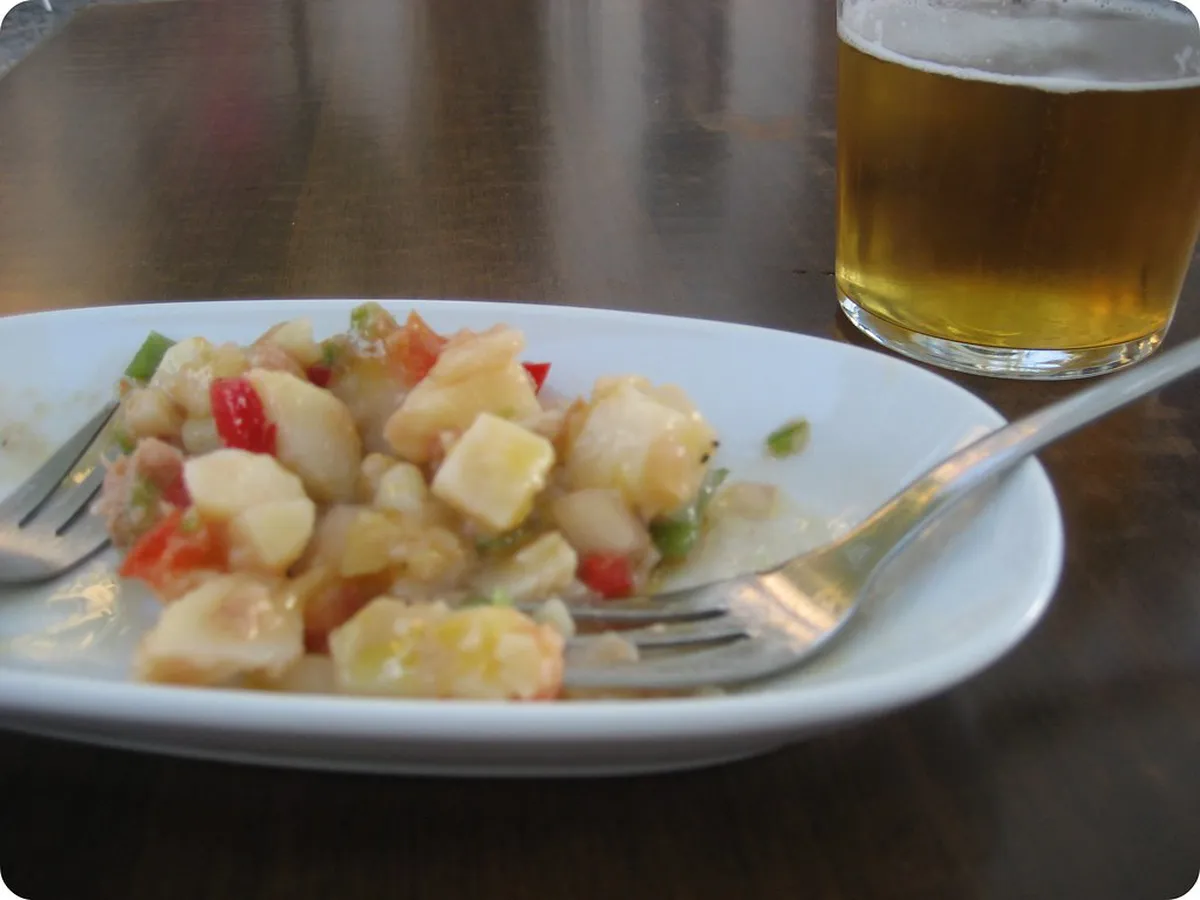
Jamón is a centrepiece at almost every tour, and guides draw a clear distinction between Serrano ham from the Granada highlands and the more prestigious Jamón Ibérico from Andalusian pig breeds. You will typically taste both side by side, which makes the price and flavour difference immediately obvious. Guides often explain how Sierra Nevada air plays a direct role in the curing process — cold mountain winds at altitude produce a drier, more complex cure than lowland alternatives.
Wines on tour tend to include local bottles from the Granada D.O.P. wine region, one of Spain's most underrated denominations. Tinto de Verano — red wine lengthened with lemon soda — appears at warmer stops as the refreshing local alternative to sangria. A good tour also passes through at least one tavern with homemade vermouth, which remains a deeply local ritual in Granada.
- Remojón granadino: a Moorish-influenced salad
- Made with salt cod, orange segments, olives, and hard-boiled egg — not tomato.
- This dish is a direct trace of Granada's Sephardic and Nasrid culinary heritage.
- Tortilla del Sacromonte: a local egg speciality
- A richer, more complex version of the Spanish omelette using local seasonal vegetables.
- Named after the Sacromonte cave district just above the city.
- Jamón serrano and Jamón Ibérico tasting
- Both styles are tasted side by side so flavour and price differences become clear.
- Sierra Nevada mountain air cures the serrano ham in Alpujarran villages nearby.
- Granada D.O.P. wines and Tinto de Verano
- Local wines from one of Spain's most underrated wine regions, often poured generously.
- Tinto de Verano is the local summer drink: red wine with lemon soda, not sangria.
How to Choose a Granada Tapas Tour
Several operators run tapas tours in Granada, and the quality difference between them is meaningful. The main variables worth checking before you book are guide background, group size cap, departure time, and what the price actually covers. Operators run by people who grew up in Granada consistently outperform those who rely on contracted freelance guides — ask directly when booking.
Evening departures, typically starting around 7 or 8 PM, are the best match for how locals actually eat in Andalusia. This timing places you in bars when they are buzzing with after-work crowds, which changes the atmosphere considerably compared to afternoon tours. Daytime tours suit families or travellers with early dinner plans, but the bar energy is noticeably quieter.
Check whether a flamenco or wine component is bundled — some operators combine a tapas route with a short flamenco performance or a Granada tour extension into the wine region. These combinations add two to three hours and cost more, but they suit travellers who want a full evening itinerary rather than a standalone tasting route. If you prefer pure food focus, a standalone tapas tour without add-ons keeps the pace tighter and the stops more concentrated.
Practical Tips Before You Book
Book your tapas tour early in your Granada trip rather than saving it for the last night. A good tour generates a mental map of neighbourhoods, bars, and dishes that makes every subsequent meal in the city more rewarding. Most operators also share a dining guide at the end with their own recommendations — that document is far more useful when you still have two days left.
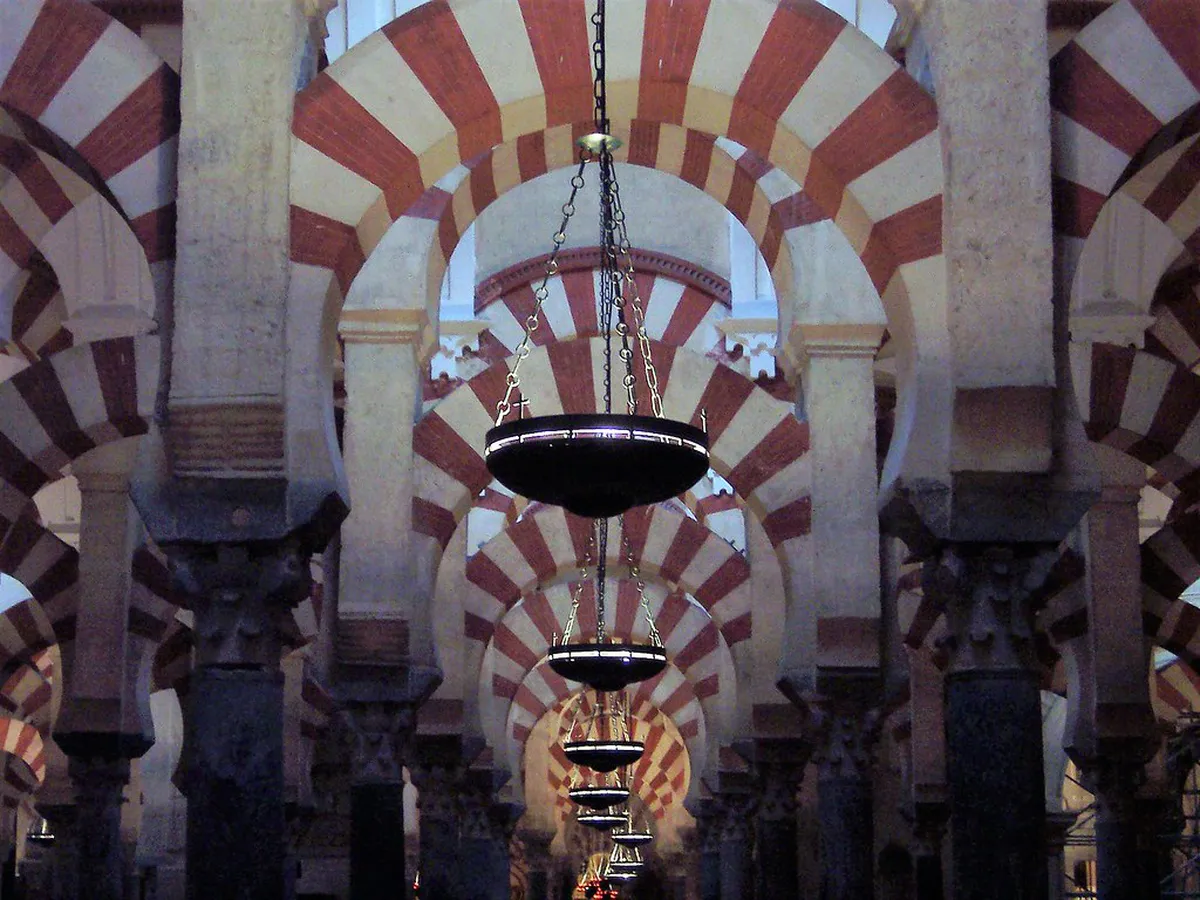
Arrive genuinely hungry: tour stops are generous, but the cumulative volume across four to six venues adds up to a substantial meal. Comfortable walking shoes are non-negotiable on the Albaicín's cobbled slopes, and a light jacket helps once the sun drops in spring and autumn. Most tours require a minimum of two participants, so solo travellers should book onto a shared-group departure rather than a private session.
Cancellation windows vary by operator but typically run to 24 or 48 hours before departure. Refunds from most booking platforms process in three to ten business days depending on your bank, so factor that timeline in if your plans are flexible. For the latest availability and real booking options, check Tripadvisor or book directly with the operator — prices and schedules do shift between seasons.
Top Tapas Bars to Try on Your Own
If you decide to skip the guided tour and explore solo, the Realejo and Albaicín have specific bars that consistently outperform the tourist-facing strips around Plaza Nueva. Here are four worth building a self-guided crawl around:
- Bar Los Diamantes (Calle Navas, 26) — long-running seafood tapa counter; the free tapa here is reliably a small plate of fried fish or prawn, far above the bar average. Arrive before 8 PM to get a stool.
- Taberna La Tana (Placeta del Agua, Realejo) — specialist wine bar with one of Granada's best selections of local Granada D.O.P. bottles by the glass; free tapas lean toward cured meats and local cheese.
- Bar Poe (Calle Verónica de la Magdalena, 40) — a student-quarter staple with generous cold tapas and one of the cheapest beer-plus-tapa combos in the city centre.
- Bodegas Castañeda (Calle Almireceros, 1) — a historic tavern that dates to 1927 and fills fast; the vermouth and jamón serrano are the things to order alongside your drink.
A self-guided crawl through these four bars costs roughly €15–€20 per person in drinks, with all food arriving free. The trade-off versus a guided tour is that you will not get the cultural context or access to the unmarked venues — but as a second-evening follow-up after a guided tour, this route is nearly ideal.
| Option | 2026 Cost (Adult) | Duration | Stops | What's Included | Best For |
|---|---|---|---|---|---|
| Guided Tapas Tour | €65 per person | 3 to 3.5 hours | 4–6 stops | All tastings & drinks at every stop; printed dining guide | First-time visitors; food-focused travellers wanting cultural context |
| Wine & Tapas Combo Tour | €80–€100 | Adds 2–3 hours to base tour | — | Tapas route plus flamenco performance or wine-region extension | Travellers wanting a full evening itinerary |
| Self-Guided Solo Crawl (4 bars) | ~€15–€20 per person (drinks only) | — | 4 bars | Food arrives free with every drink order at most bars | Confident explorers; repeat visitors already familiar with Granada's bar scene |
Frequently Asked Questions
Are tapas still free in Granada?
Yes — as of 2026, Granada remains one of the few Spanish cities where most traditional bars serve a free tapa with every drink order. The tapa you receive is chosen by the bar, not by you, which is part of the charm. A tapas tour complements this tradition by taking you to bars where the free tapas happen to be outstanding.
What is the famous tapas street in Granada?
Calle Navas in the city centre and the streets around Plaza Nueva are the most well-known spots for bar-hopping. The Realejo district — Granada's historic Jewish quarter — offers a less tourist-facing alternative. A guided Granada free walking tour often includes stops in the Realejo alongside less obvious Albaicín venues.
How much does a Granada tapas tour cost?
Adult tickets typically run around €65 per person, with children aged three to eleven paying approximately €25 and infants travelling free. That price covers all tastings and drinks at each stop. Some operators offer evening wine-and-tapas combinations at a higher price point, usually €80 to €100.
How long does a Granada tapas tour last?
Most Granada tapas tours run between three and three-and-a-half hours, visiting four to six stops across the historic centre. Evening departures around 7 or 8 PM are the most popular, matching local dining rhythms in Andalusia. The total food and drink volume across all stops is equivalent to a full dinner.
What should I eat on a Granada tapas tour?
Look out for remojón granadino (a Moorish salt-cod salad with orange), tortilla del Sacromonte, side-by-side jamón serrano and Ibérico tastings, and local wines from the Granada D.O.P. region. Guides will usually point out why these specific dishes carry cultural significance that generic tapas bars elsewhere in Spain rarely explain.
A Granada tapas tour is one of the more honest value propositions in Spanish food tourism. You pay around €65 for a guide who gives you genuine access — to unmarked taverns, layered culinary history, and a route you would take months of visits to replicate solo. For first-time visitors and food-focused travellers, that access is worth the price without much debate.
The free-tapas culture means Granada already rewards independent exploration more generously than any other Andalusian city. A good tour does not replace that exploration — it accelerates it by giving you a mental map and a set of recommendations to carry for the rest of your stay. If you want to go deeper into the region's food scene, pairing a tapas tour early in your trip with a Granada wine tour on a later day covers both the city and the wider province effectively. Book the tapas tour for your first or second evening, eat and listen well, and let the guide's recommendations shape the rest of your meals.
Free: The Granada Essentials guide
Top things to do, where to stay, a perfect day plan, getting around, and the best time to go — a Granada mini-guide you can take offline.
Plan the next decision
Continue reading
More independent guides you'll find useful