Granada Walking Tours Travel Guide
Plan your Granada walking tours with top picks, neighbourhood context, free vs paid tips, and booking advice for a smoother 2026 trip.

On this page
Granada Walking Tours
Granada rewards walkers more than almost any other city in Andalusia. The UNESCO-listed Albaicín quarter, the Alhambra on the hill, and a tight medieval centre all sit within two miles of each other. Whether you join a guided group or strike out with a map, a well-planned Granada walking tour covers a thousand years of Moorish, Christian, and Roma culture in a single morning.
⚡ Tour Verdict quick take: Plan your Granada walking tours with top picks, neighbourhood context, free vs paid tips, and booking advice for a smoother 2026 trip.
The question most visitors ask is not whether to walk Granada — it is how to structure the day. Our verdict after reviewing the major tour formats: the free walking tour is the best entry point for first-timers, while a specialist neighbourhood walk — Albaicín, Sacromonte, or tapas-focused — adds real depth on day two. Read on for neighbourhood context, honest pricing, and the logistics that most tour pages gloss over.
Last updated June 2026.
Free: The Granada Essentials guide
Top things to do, where to stay, a perfect day plan, getting around, and the best time to go — a Granada mini-guide you can take offline.
Must-See Attractions on a Granada Walking Tour
Every Granada walking tour begins at Plaza Nueva, the city's oldest square, dating to the 16th century. From here, Carrera del Darro runs east along the River Darro, giving walkers a riverside path with direct views up to the Alhambra walls. This stretch is free, always open, and consistently rated among the most scenic urban walks in southern Spain.
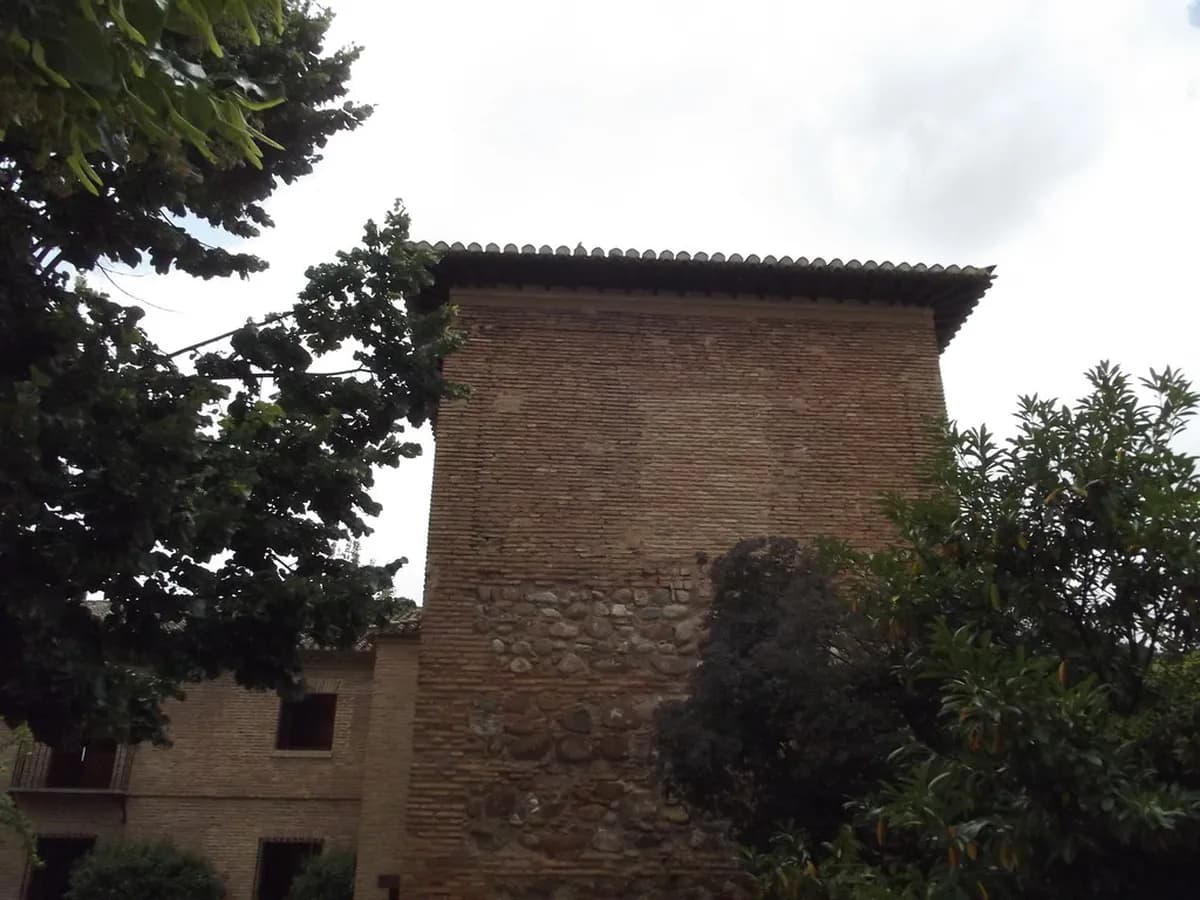
A short detour from Plaza Nueva leads to the Corral del Carbón, a 14th-century Moorish caravanserai that survives intact and charges no entry fee. The carved horseshoe gateway and inner courtyard give an immediate sense of Granada's pre-Reconquista commercial life. Nearby, the Alcaicería — a reconstructed Moorish silk market — fills a few lanes with ceramics, textiles, and spice stalls worth a slow browse.
The Granada Cathedral, begun in 1523, holds the Royal Chapel containing the tombs of Ferdinand and Isabella. Most guided tours spend 20 to 30 minutes here; self-guided walkers can enter the cathedral and chapel separately with paid tickets. Climbing the cathedral towers is possible and delivers a wide panorama over the old centre.
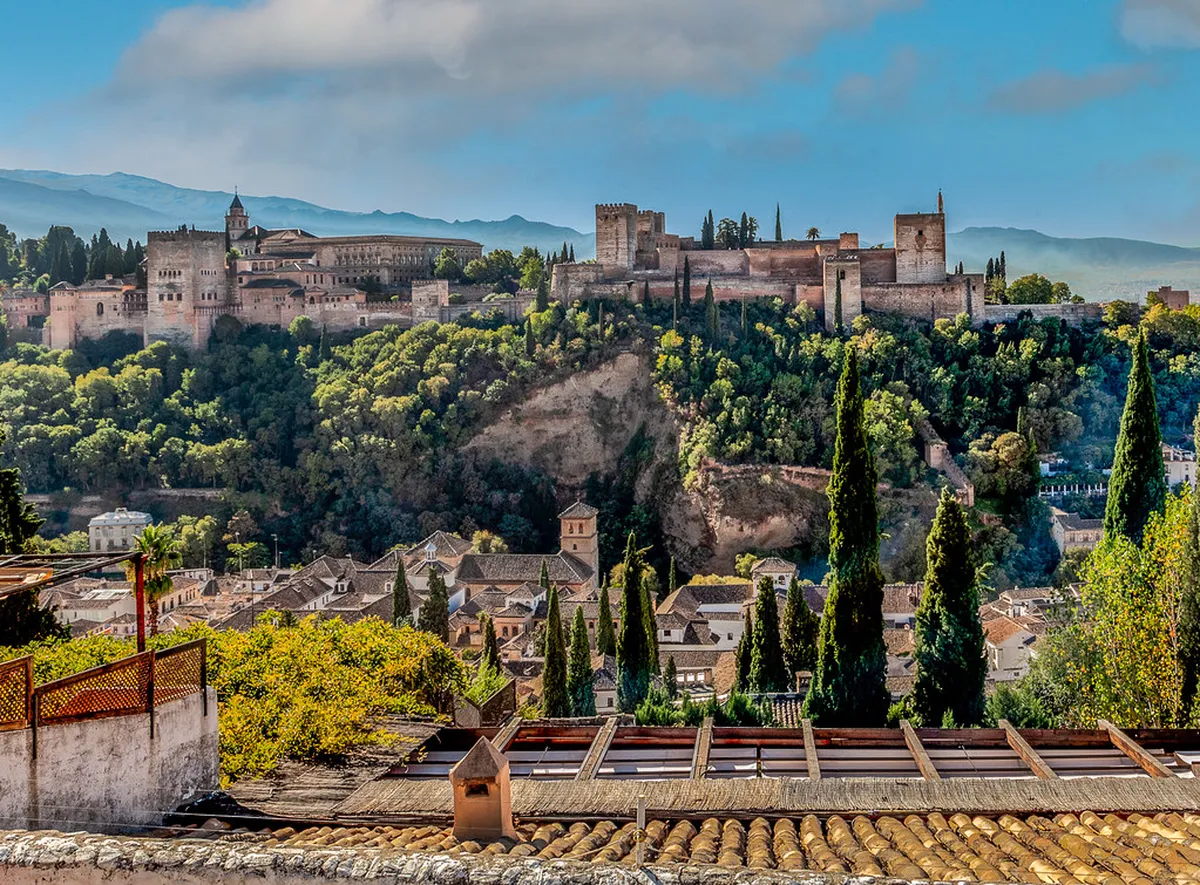
Mirador de San Nicolás in the Albaicín is the essential viewpoint: it frames the full Alhambra façade against the Sierra Nevada backdrop. The walk up from Plaza Nueva takes roughly 20 minutes on foot through narrow cobblestone lanes. Street musicians perform here most evenings, and spontaneous flamenco sets occasionally draw a crowd — arrive at dusk for the best light.
Free vs Paid Walking Tours: The Worth-It Verdict
Granada is widely credited as the city where the modern free walking tour format was born, with SANDEMANs launching here in the early 2000s. Today, Guruwalk.com lists several daily free tours of the historic centre, run by local guides who work entirely on tips. Most guests contribute between €10 and €50 per person, so budget roughly €15–20 if the guide earns the higher end of that range.
A standard free city-centre tour lasts approximately 2 hours, covering Plaza Nueva, the Cathedral area, and the lower Albaicín. That runtime is enough for an overview but leaves out Sacromonte, the Alhambra grounds, and most tapas context. For travelers who want those additions, a paid Granada free walking tour upgrade — or a dedicated neighbourhood tour — adds the depth that a two-hour overview cannot.
Paid guided options typically cost €15–35 per person and cap group size at 8–15 people, which means more questions answered and easier navigation through the Albaicín's narrowest lanes. Walkingranada.com offers private and small-group walks focused specifically on the Moorish heritage districts. For the Alhambra interior itself, note that the guided walk does not replace an entry ticket — you need to book that separately and well in advance.
Our honest assessment: the free tour is worth doing on arrival day to get your bearings and hear the local stories. A specialist paid walk — Albaicín by night, Sacromonte caves, or a Granada tapas tour — is the better investment for a second day when you already know the map. Stacking both formats over two days gives a complete picture without overspending.
- Free walking tour of Granada
- Duration is around 2 hours through the historic centre.
- Tips typically range from €10 to €50 per person.
- Best for first-day orientation and general city history.
- Starts daily from Plaza Nueva with no advance booking needed.
- Paid small-group neighbourhood walk
- Prices generally run from €15 to €35 per person.
- Groups are capped at 8 to 15 people for a more personal experience.
- Best for deep dives into the Albaicín, Sacromonte, or culinary routes.
- Book at least a day ahead, especially in summer peak season.
- Self-guided audio tour via VoiceMap or GPSmyCity
- Costs range from roughly €5 to €10 per download.
- Walk at your own pace with GPS-triggered commentary along the route.
- Best for independent travelers who dislike group timing constraints.
- Download offline before arriving to avoid data roaming issues.
Albaicín and Sacromonte: Walk These Neighborhoods
The Albaicín is Granada's former Moorish quarter, a UNESCO World Heritage Site of whitewashed carmenes (walled garden houses) and steep cobblestone streets. Walking it without a guide is possible but disorienting — the quarter has no grid, and many lanes loop back on themselves. A guided walk solves the navigation problem and fills in the architectural history that bare street signs never explain.
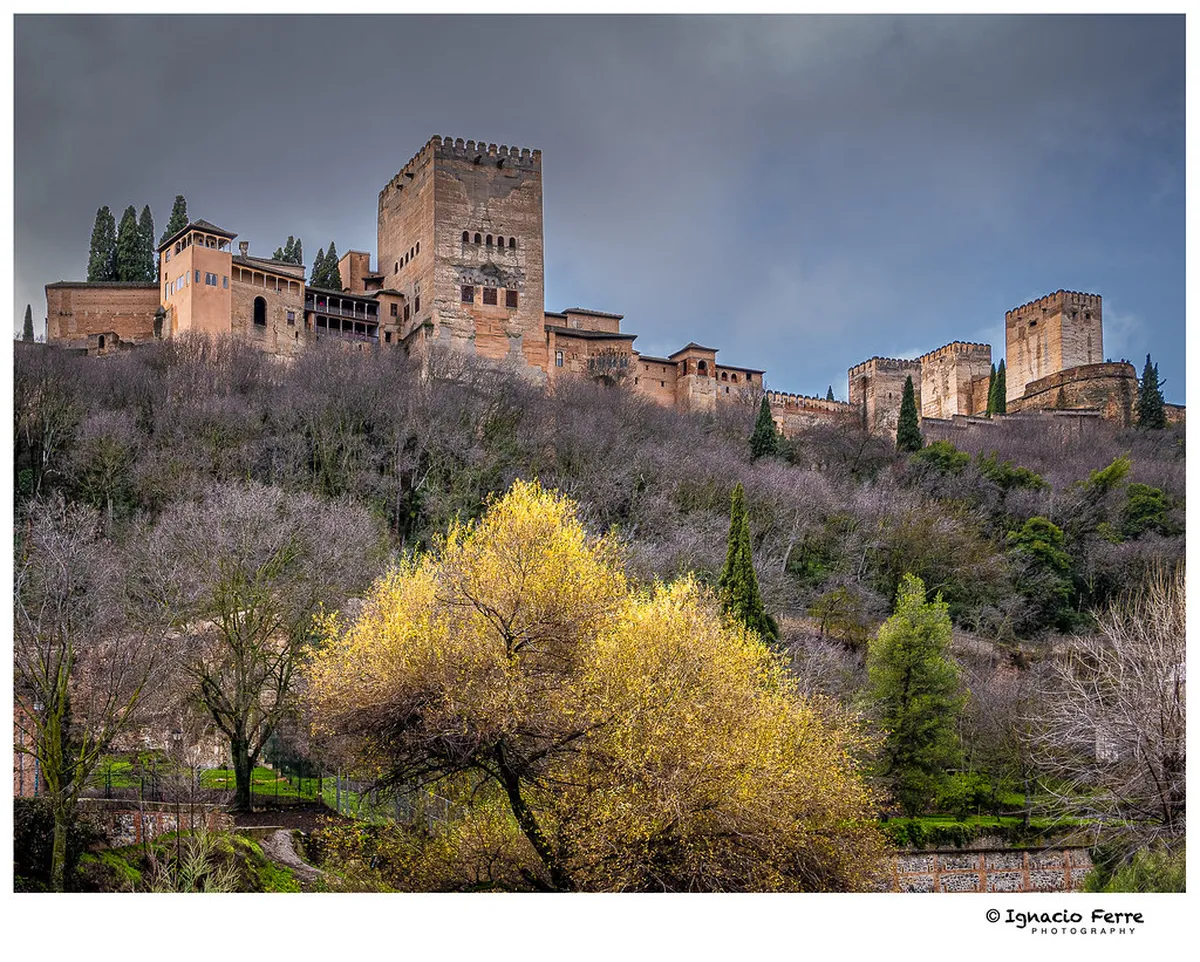
The walk from Plaza Nueva to Mirador de San Nicolás covers roughly 0.7 miles but gains about 100 metres of elevation on uneven stone. Wear shoes with proper grip; sandals and thin-soled flats make the uphill sections genuinely uncomfortable. Most tour groups allow 45 to 60 minutes in the Albaicín before descending to the lower city.
Sacromonte is the adjacent cave district, home to Granada's Roma community and the zambra flamenco tradition. Evening cave shows at venues like Cuevas Los Tarantos run from around 9 PM and last 60 to 75 minutes; prices vary by operator but typically start at €25. Daytime walking through Sacromonte is quiet and free — the cave museum on Barranco de los Negros gives context for around €5.
The best self-guided route links the two neighbourhoods in one loop: up through the Albaicín to Mirador de San Nicolás, then east along Camino del Sacromonte to the cave district, and back down Paseo de los Tristes to the river. Allow three to four hours for the full loop, or join a combined Granada adventure tour that covers both districts with a local guide. Go in the morning to avoid the midday heat from June through August; the Albaicín lanes offer almost no shade.
Parks, Gardens, and Outdoor Highlights
The Generalife Gardens, on the eastern side of the Alhambra complex, contain over 300 flower species across terraced levels of hedgerows, fountains, and rose borders. Access is included with an Alhambra ticket, so most walkers combine the gardens and the palace in a single half-day visit. Spring — April through early June — brings the densest colour, though the gardens are well-kept and worth visiting year-round.
Paseo de los Tristes (Walk of the Sad Ones) runs along the River Darro directly below the Alhambra's north face. Named after historical funeral processions, the promenade today is lined with café terraces and makes an excellent mid-walk rest point. The Alhambra reflected in the Darro on a clear morning is one of Granada's most-photographed scenes — arrive before 9 AM to beat tour groups.
For walkers wanting more open space, the Alhambra forest (Bosque de la Alhambra) wraps the south and west sides of the hill and connects via shaded paths to the main gate. Entry to the forest paths is free, and they offer a cooler approach to the palace ticket office than the main road. Extending the day with a hike into the Sierra Nevada foothills is straightforward — buses from central Granada reach the trailhead in roughly 30 minutes.
Granada Walking Tour Logistics
A complete self-guided walk of Granada's historic centre covers roughly 4 miles and takes two hours at a steady pace without stops. Factor in time at key sites and the realistic figure is a full morning or afternoon — around four to five hours. Breaking the route across two days is a sensible option if you plan to enter the Cathedral, the Royal Chapel, and the Alhambra on the same trip.
The standard starting point is Plaza Nueva, reachable by bus lines LAC and C1 from Granada's main bus station (Estación de Autobuses, roughly 10 minutes, fare around €1.40). From the train station (Granada RENFE), the walk to Plaza Nueva takes about 20 minutes on foot, or take any downtown bus. Taxis and rideshares drop directly at the square; parking nearby is limited and not recommended for day visitors.
Pack comfortable, closed-toe shoes with rubber soles — the Albaicín's cobblestones are uneven and slippery when wet. Carry at least one litre of water per person in summer; temperatures in July and August regularly exceed 35°C, and shade is scarce on the upper Albaicín slopes. A light jacket is useful for Sacromonte evenings, where the cave interiors stay cool even in summer.
For navigation, Google Maps covers Granada well, though the narrow Albaicín lanes can confuse the routing algorithm. The Gpsmycity.com Granada walking map downloads offline and includes curated stop descriptions at no extra cost. Alternatively, Voicemap.me offers a GPS-triggered audio tour of the historical centre and lower Albaicín, giving roughly 3 hours of narrated content for a small per-download fee.
How to Book Granada Walking Tours in 2026
The single most important booking action for any Granada visit is securing Alhambra tickets in advance. The palace sells a fixed number of timed entry slots per day, and slots for the Nasrid Palaces (the interior highlight) regularly sell out weeks ahead during spring and summer. Book directly through the official Alhambra ticket portal or through a licensed tour operator who includes entry in a guided package.
For free walking tours, no advance booking is usually required — groups depart daily from Plaza Nueva, often at 10 AM and 2 PM in high season. Check Neweuropetours.eu (SANDEMANs) for current schedules and tour formats, as departure times shift with the season. During July and August, joining a morning departure (before 11 AM) avoids the worst heat on the uphill Albaicín sections.
Specialist food and drink walks are worth adding to any itinerary: a Granada food tour covers the city's famous free tapas tradition, where bars serve a small plate with every drink order. Evening Granada wine tour options pair local Alpujarra wines with tapas stops across the centre. Both formats run 2.5 to 3 hours and typically include five to seven stops, making them a practical dinner alternative rather than a separate activity.
Day-trip walkers coming from Seville or Málaga should note that Granada is around 2.5 hours by bus or 90 minutes by car from each. A day trip leaves just enough time for a free walking tour and the cathedral area, but not enough for the Alhambra plus a neighbourhood walk. Overnight visitors can explore day trips from Granada into the Sierra Nevada or the Alpujarras villages for a contrast to the city's dense historic centre.
Best Time for a Granada Walking Tour
Timing matters more in Granada than in most Andalusian cities because the Albaicín has almost no shade and July–August temperatures regularly hit 37–40°C by midday. The practical upshot: plan any walking day to start before 9 AM or after 5 PM from June through August, and save the Alhambra gardens — which do have tree cover — for the early afternoon if you can't avoid the heat window.
Spring (March–May) is the most comfortable season for walking. Temperatures run 18–24°C, the Generalife rose borders are in peak colour, and tour group sizes are smaller than summer. Book Alhambra tickets 3–4 weeks ahead, as spring is the fastest-selling period.
Autumn (September–October) is the strongest second choice: crowds thin considerably after the first week of September, daytime temperatures drop to 22–28°C, and accommodation prices fall by 20–30% compared to peak summer. Free walking tours still run daily through October.
Winter (November–February) suits walkers who prioritise empty streets over warm weather. The Albaicín and Sacromonte are genuinely uncrowded, and Alhambra tickets are available at shorter notice. Temperatures average 8–14°C, so a warm layer is essential for the upper Albaicín viewpoints and Sacromonte cave evenings.
| Tour Format | Duration | 2026 Cost | Group Size | Best For | Verdict |
|---|---|---|---|---|---|
| Free walking tour | ~2 hours | Tips €10–€50 (budget €15–€20) | Open / no cap stated | First-day orientation & general city history | Best entry point for first-timers |
| Paid small-group neighbourhood walk | — | €15–€35 per person | 8–15 people | Deep dives into the Albaicín, Sacromonte, or culinary routes | Better investment for day two when you already know the map |
| Self-guided audio tour (VoiceMap / GPSmyCity) | — | ~€5–€10 per download | Solo / own pace | Independent travellers who dislike group timing constraints | — |
Frequently Asked Questions
Is the free walking tour in Granada worth it?
Yes, for first-time visitors the free walking tour is one of the best ways to get oriented quickly. Tours last around 2 hours and cover the Cathedral, Alcaicería, and lower Albaicín. Guides work on tips — most guests give €10 to €50 — so budget €15 to €20 as a fair contribution for a quality session.
How long does a Granada walking tour take?
A guided free tour runs approximately 2 hours. A self-guided walk covering all major stops — Plaza Nueva, the Cathedral, Albaicín, and Mirador de San Nicolás — takes closer to 3 to 4 hours without site entries. Allow a full half-day if you plan to go inside any paid attractions along the route.
What should I wear and bring on a Granada walking tour?
Wear closed-toe shoes with rubber soles, as the Albaicín cobblestones are uneven and can be slippery. Bring at least one litre of water per person in summer, when temperatures regularly exceed 35°C. A small daypack, sunscreen, and a light layer for Sacromonte cave interiors complete the essentials for a comfortable full-day walk.
Can I do a self-guided walking tour of Granada?
Absolutely. The core route — Plaza Nueva, Carrera del Darro, Cathedral, Albaicín, and Mirador de San Nicolás — is well-signposted and easy to follow with Google Maps or a downloaded GPS guide. Audio tour apps like VoiceMap add narrated context for around €5 to €10 and work offline, removing the need for mobile data on the upper Albaicín slopes.
Granada rewards walkers who plan ahead and resist the urge to cram everything into a single day. Start with a free walking tour to get the city's layout in your head, then carve out dedicated time for the Albaicín and Sacromonte as a separate experience. Book your Alhambra tickets weeks in advance — everything else in Granada is forgiving, but that one slot is not.
Overnight visitors have real options beyond the walking circuits: a half-day Granada Sierra Nevada hiking excursion puts mountain trails within easy reach of the city. The Sierra Nevada foothills start just 30 minutes south by bus and offer a complete contrast to the dense medieval centre. However you structure the time, Granada's walking routes deliver one of the most concentrated combinations of Islamic, Christian, and Roma heritage anywhere in Europe.
Free: The Granada Essentials guide
Top things to do, where to stay, a perfect day plan, getting around, and the best time to go — a Granada mini-guide you can take offline.
Plan the next decision
Continue reading
More independent guides you'll find useful