Best Day Trips from Granada, Spain | 2026 Andalusia Guide
Discover the best day trips from Granada, Spain: Sierra Nevada, Guadix cave houses, Las Alpujarras white villages, Córdoba, Nerja, and Antequera, with 2026 prices in euros and guided-tour vs DIY verdicts for each route.

On this page
Best Day Trips from Granada, Spain (2026 Guide)
Granada, Andalusia sits at the crossroads of mountain, coast, and culture — and its surroundings reward a day of escape in almost every direction. Within ninety minutes you can be skiing at 2,100 metres on the Sierra Nevada, walking through a village carved into a cliff at Guadix, or swimming on the warm waters of the Costa Tropical. The Province of Granada spans the highest peaks in mainland Spain down to fertile coastal plains, making it one of the most varied day-trip regions in Europe.
⚡ Tour Verdict quick take: The best day trips from Granada, Spain in 2026 are Córdoba (Mezquita, ~1.5h by train), Sierra Nevada (skiing or hiking), Las Alpujarras white villages (Pampaneira/Bubión/Capileira), Nerja Caves and the Costa Tropical, Guadix cave houses, and Antequera's El Torcal karst. Budget €5–25 for transport; guided tours start from €35 per person. DIY is practical for most — except the Sierra Nevada summit, where a certified guide is worth the spend.
This guide covers each destination with an honest guided-tour vs DIY verdict, 2026 prices in euros, and transport times from Granada city centre. Last updated June 2026.
Free: The Granada Essentials guide
Top things to do, where to stay, a perfect day plan, getting around, and the best time to go — a Granada mini-guide you can take offline.
Córdoba: Mezquita and the Jewish Quarter
Córdoba is the most culturally rewarding day trip from Granada and the easiest by public transport. High-speed trains (Avant) run the route in roughly 45 minutes from Granada's train station; a standard return fare costs €20–28 depending on the departure time. Regional bus services (Alsa) take around 2.5 hours and cost about €12–16 return — slower but useful if the train times do not suit your schedule.
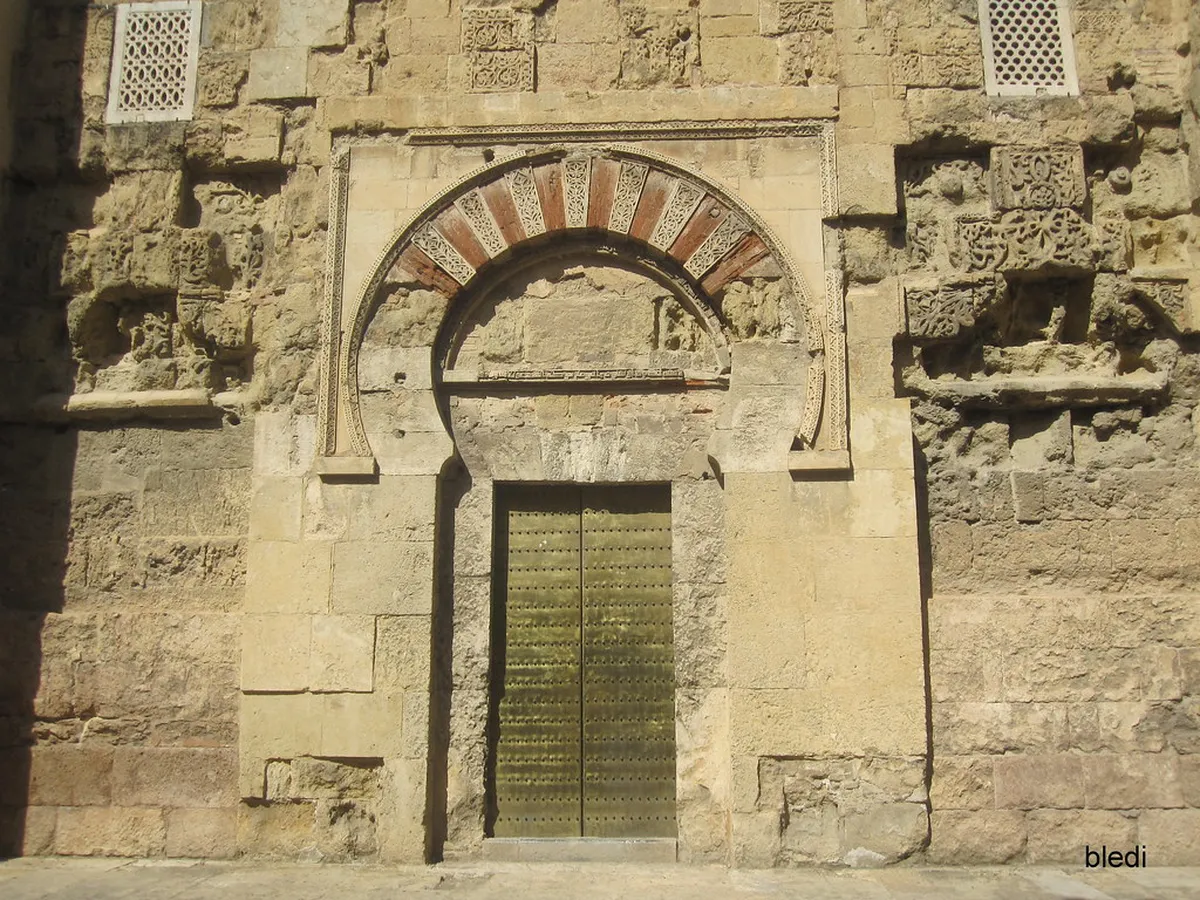
The Mezquita-Catedral de Córdoba is the unmissable anchor of the day. Admission is €13 for adults (free on weekdays 8:30–9:30am, but arrive early as queues form quickly). The interior rewards a slow, unrushed visit — the forest of red-and-white arches, the mihrab, and the incongruous Gothic nave inserted by Charles V together tell nine centuries of overlapping empires in a single building. Allow 90 minutes inside.
After the Mezquita, the old Jewish quarter (Judería) is a ten-minute walk and requires no entrance fee. The Synagogue on Calle Judíos is one of only three surviving medieval synagogues in Spain and charges just €0.30. The narrow lanes around it, lined with potted geraniums and whitewashed walls, make Córdoba one of the most photogenic cities in Andalusia.
Guided tour vs DIY verdict: DIY wins here. The train is fast, the Mezquita is self-guided, and the old town is compact and walkable. Guided options — typically half-day tours departing Granada at 8am and returning by 7pm for around €55–65 per person — add value mainly for travellers who want deep historical context without map-reading. If you book a tour, look for Granada walking tours operators that include Córdoba as a combined day-trip.
One practical note: the Mezquita's free morning admission slot fills rapidly in July and August. If you plan to visit during peak season, booking an advance ticket (€13) guarantees entry and skips the queue entirely.
Sierra Nevada: Skiing in Winter, Hiking in Summer
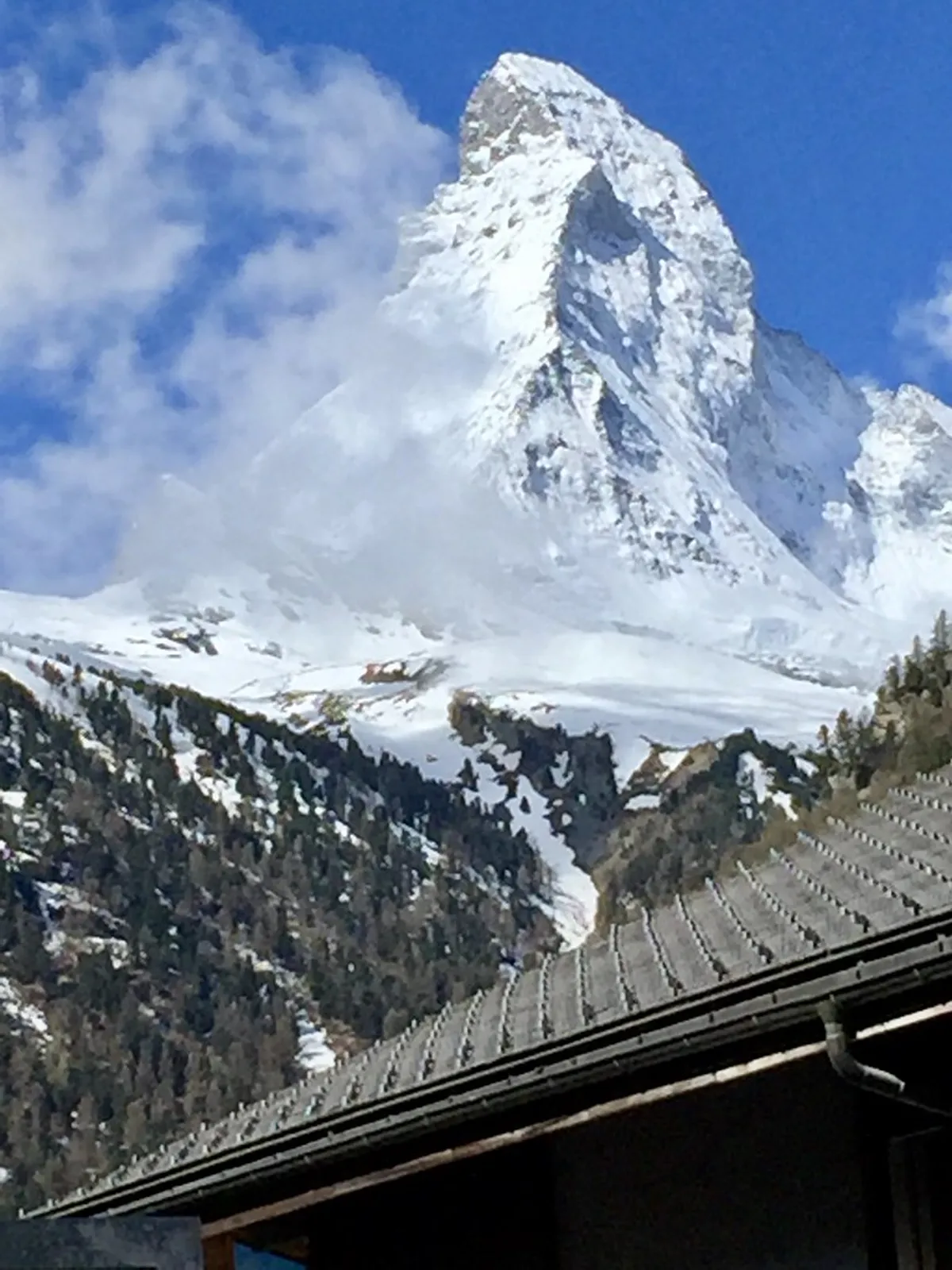
The Sierra Nevada is the most dramatic day trip from Granada, rising to 3,479 metres at Mulhacén — the highest peak in the Iberian Peninsula. In winter (roughly December to April), the ski resort at Pradollano offers well-groomed runs at 2,100–3,300 metres, just 30 kilometres from Granada city centre. A ski-day shuttle leaves Granada's bus station each morning during ski season; the journey takes around 45 minutes. A full ski-day lift pass in 2026 costs approximately €45–55 depending on the date, with rental equipment available at the resort from around €25 per day.
Outside ski season, the mountain transforms into a hikers' playground. The classic starting point is Hoya de la Mora (2,510m), reached by car or by the seasonal bus from Granada (running June–October on weekends, ~€8 return). From Hoya de la Mora, the trail to Pico Veleta (3,396m) is the most accessible high-summit route — allow five to six hours return. Summit days require extra layers regardless of month; temperatures drop sharply above 3,000 metres even in August.
Guided tour vs DIY verdict: Split by activity. Skiers have no reason to book a tour — the resort infrastructure is fully independent-friendly and lift passes are bought on arrival. Hikers targeting the high summits (Veleta or Mulhacén) benefit from a certified mountain guide: route-finding above 3,000m in low-visibility conditions is technical, and accidents on the upper ridge are disproportionately common among unprepared solo walkers. Guide fees run approximately €80–120 per person for a summit day. For a more relaxed approach, guided 4x4 safaris touring the high-altitude landscape start from around €45 and suit families or travellers who want the altitude experience without six hours of walking. Browse Granada adventure tours to compare both formats.
Book ski shuttles and guided summit tours at least 48 hours ahead in peak season — both fill early.
Las Alpujarras: Pampaneira, Bubión, and Capileira
Las Alpujarras is a network of around 150 white villages threaded through the southern slopes of the Sierra Nevada, averaging 1,200 metres above sea level. Most visitors focus on three villages that sit close enough to visit in a single loop: Pampaneira, Bubión, and Capileira. Each sits progressively higher on the mountain, and a well-marked hiking trail connects all three in a 4-kilometre walk through terraced farmland and Moorish irrigation channels (acequias) still in active use today.
Trevélez, at roughly 1,840 metres, is often cited as the highest permanently inhabited village in mainland Spain and is the origin of the province's most celebrated cured ham — jamón de Trevélez, which carries a protected geographical designation. Even a modest tasting plate at a village bar justifies the extra thirty-minute drive beyond Capileira.
Getting there independently: Alsa runs buses from Granada to Pampaneira daily; the journey takes about 1.5 hours and costs roughly €5–7 each way. Infrequent return departures make timing critical — check the return schedule before you go. A rental car gives you the flexibility to link Pampaneira, Bubión, Capileira, and Trevélez in one loop and return on your own timetable.
Guided tour vs DIY verdict: DIY with a car is the most flexible option and the Moorish village landscape is genuinely easy to navigate without a guide. Guided group tours (typically €35–50 per person departing Granada) earn their keep for travellers without a driving licence or those who want local history narrated — the Berber origins of the villages, the Morisco expulsion of 1570, and the traditional weaving and pottery all have layered stories that a good local guide brings to life. Check Granada adventure tours for operators offering Alpujarra day trips.
Nerja and the Costa Tropical: Caves, Beaches, and Cliffs
The Costa Tropical — the coastal strip within Granada Province — sits roughly 60–90 kilometres south of the city and offers a different climate to the Costa del Sol: drier, sunnier in winter, and with notably less mass-tourism development. Salobreña, at 55 kilometres, is the closest option: a whitewashed town perched above a pebble beach, with a ruined Nasrid castle crowning the hill and free tapas served automatically with every drink order. The Alsa bus from Granada takes around 55 minutes and costs about €4–5 each way.
Nerja lies further east, roughly 90 minutes from Granada (€6–8 by bus). Its main draw is the Cuevas de Nerja — a vast stalactite and stalagmite system discovered in 1959 and now open daily with guided tours running from 9:00am to 5:30pm. Adult admission in 2026 is €15; children aged 6–12 pay €7.50; under-6s enter free. The caves maintain a constant 18°C, making them a practical escape even on the hottest summer day. Nerja town itself has a broad beach promenade and the clifftop Balcón de Europa viewpoint, which makes for a rewarding half-day even if the cave tour is sold out.
Almuñécar, between Salobreña and Nerja at about 65 kilometres, merits a stop for its Phoenician cemetery and Roman fish-salting factory (garum works), both openly accessible near the seafront at no charge. The combination of Phoenician, Roman, Moorish, and Spanish layers in a single coastal town makes it compact but historically rich.
Guided tour vs DIY verdict: Nerja is easy DIY — the bus from Granada is direct and the cave tour is self-contained. The only reason to book a guided excursion (typically €40–55 including transport and cave entry) is if you want a single package covering both the caves and the beach promenade with pick-up from your accommodation. For families managing children, the convenience is worth the premium.
Guadix: Cave Houses and the Troglodyte Quarter
Guadix is one of the most singular day trips in Andalusia — a town where roughly 2,000 families still live in cave houses carved directly into the soft tufa hillside. The cave district (Barrio de las Cuevas) sits just ten minutes' walk from the cathedral square, and the landscape of rounded, chimney-topped mounds has earned the town a reputation among travellers seeking something genuinely unlike any other city in Spain.
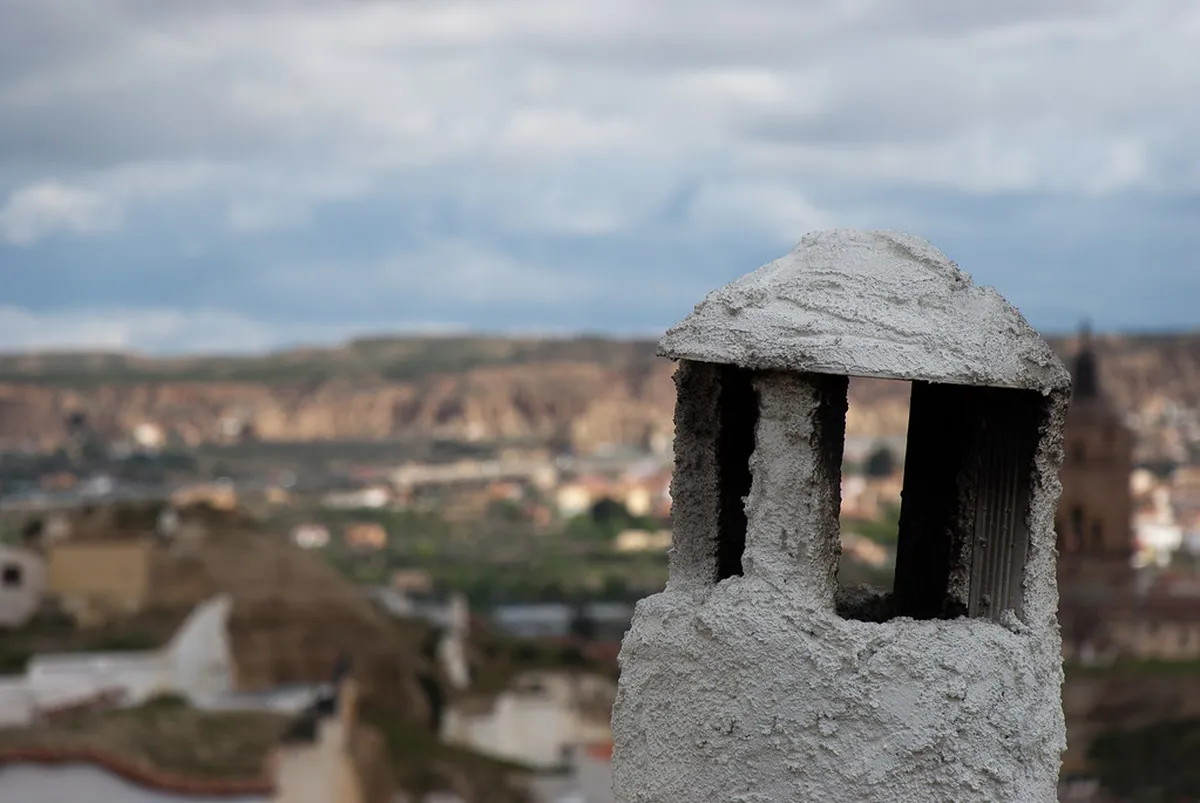
The best approach is to start at the Cueva-Museo on Calle Hornos, a furnished cave home that gives practical context — room temperatures, cooking arrangements, ventilation — before you wander the neighbourhood independently. The museum charges €3 admission and takes about 30–45 minutes. From there, follow the signposted walking route through the cave district; the view from the mirador above the barrio is the defining image of Guadix and takes around ten minutes to reach on foot.
The cathedral on Plaza de la Catedral is worth the €5 admission: it is one of the longest Baroque construction projects in Spain (begun 1549, completed 1796) and the interior mixes late Gothic and Baroque styles in a way that reflects the shifting fashions of two and a half centuries. The Alcazaba ruins above the town are freely accessible and give a panoramic view over the cave district.
Getting there: the Alsa bus from Granada to Guadix takes 1 hour 5 minutes and costs around €4–5 each way, with multiple departures throughout the day. By car, the A-92 motorway covers the 57 kilometres in about 45 minutes. Plan two to three hours in the town — enough to see the cave museum, walk the district, and visit the cathedral without feeling rushed.
Guided tour vs DIY verdict: DIY is entirely sufficient. The cave district is self-navigating, signage is adequate, and the Cueva-Museo provides enough context for independent visitors. A local guide (typically arranged through Granada operators at €40–60 including transport) adds depth on the Moorish and Roma heritage of the town, which is genuinely interesting — but not essential for a satisfying day out.
Antequera: El Torcal Karst and Neolithic Dolmens
Antequera, roughly 100 kilometres west of Granada (around 1.5 hours by car or bus), packs two UNESCO-listed sites into a single day: El Torcal de Antequera and the Dolmens of Antequera. The combination makes it one of the most geologically and archaeologically dense day trips in Andalusia.
El Torcal is a limestone karst plateau at 1,336 metres, shaped by 200 million years of erosion into towers, arches, and labyrinthine passages that resemble a natural sculpture park. Three colour-coded trails range from the 1.5-kilometre Green Route (30 minutes, easy) to the 5-kilometre Yellow Route (3 hours, moderate). The visitor centre at the car park offers free entry and an orientation film; parking costs €3. There is no public transport directly to El Torcal — a car or a guided tour is required.
The Dolmens of Antequera (Menga, Viera, and El Romeral) are among the largest Neolithic megalithic structures in Europe, dating to roughly 3,500–2,500 BCE. Entry is free; guided tours of the site run Tuesdays through Sundays and last about 45 minutes. Menga dolmen in particular — 27 metres long with roof stones weighing up to 180 tonnes — consistently surprises visitors who arrive without strong expectations.
Guided tour vs DIY verdict: A car is the deciding factor. With a car, DIY works well: drive to Antequera (90 minutes), visit the dolmens (free), drive to El Torcal (20 minutes), walk the Green or Yellow Route, return to Granada by evening. Without a car, book a guided day trip (typically €55–75 including transport from Granada) — public buses serve Antequera town but not El Torcal itself. The guided option is genuinely worth considering here because El Torcal's geology has a great deal more to say with a knowledgeable guide explaining the formation sequence.
Málaga: Picasso, Alcazaba, and a Working Port City
Málaga, roughly 125 kilometres west of Granada, sits about 1.5 hours away by car or bus (€10–14 return by Alsa) and offers a completely different flavour to the mountain-and-village day trips. This is a modern, working Andalusian port city that has reinvented itself over the last decade as a cultural destination.
The Museo Picasso Málaga holds 233 works by the city's most famous son, housed in a 16th-century Renaissance palace. Admission is €12 for the permanent collection. Directly above the museum, the Alcazaba — a Moorish palace-fortress begun in the 11th century — costs €3.50 and gives panoramic views over the port and Málaga Bay. The two together take three to four hours and are within easy walking distance of each other.
The old fishing district of El Palo, a ten-minute taxi or Uber from the centre, is where Málaga residents eat espetos — whole fish grilled over open fires on the beach in traditional espeto boats. Lunch here, at one of the beachfront restaurants known as chiringuitos, typically costs €15–25 per person and is among the most authentic food experiences available as a day trip from Granada.
Guided tour vs DIY verdict: DIY by bus is straightforward and the city is well-signed for independent visitors. Guided cultural tours of Málaga are available (€45–60 from Granada with transport) but add the least comparative value here — the Picasso Museum and Alcazaba are both well-curated with audio guides available on site. Save the guided spend for El Torcal or the Sierra Nevada summit instead.
How to Plan a Smooth Day Trip from Granada
The single biggest planning decision for most routes is car versus bus. A rental car unlocks El Torcal and the full Alpujarra village circuit — both essentially unreachable by public transport at their best points — but adds cost and parking stress in narrow mountain towns. The Alsa bus network covers Córdoba, Nerja, Salobreña, Guadix, and Antequera town at fares of €4–14 return per person; it is the most budget-friendly option for those destinations.
One well-tested combination is Sierra Nevada plus coast in a single day, best done in a car from May through October when the high-altitude road is clear of snow: leave Granada by 8am, reach Hoya de la Mora by 9am for a morning hike or drive to the viewpoints, descend by 1pm, and reach Salobreña for a late beach lunch. Total driving time between the two points is under two hours, and the temperature contrast — from cool mountain air to 28°C on the coast — makes it one of the most satisfying single-day circuits in Andalusia.
For guided options, Granada Sierra Nevada hiking tours fill fast in July and August; book at least 48 hours ahead in peak season. Browse Granada hiking tours to compare guided options for Los Cahorros gorge, the Alpujarra, and the high-summit routes in a single place.
- Córdoba — 45 min by train (Avant), ~€20–28 return. DIY by train. Best for art, architecture, and history in a single medieval city.
- Sierra Nevada — 30 km from Granada. Ski shuttle or car. Full-day in winter (skiing) or summer (hiking). Guide recommended for summit routes.
- Las Alpujarras — 60–90 km. Alsa bus to Pampaneira (1.5h, ~€5–7 each way) or car for the full village circuit. Best for slow mountain exploration and local food.
- Nerja and Costa Tropical — 90 km. Alsa bus (~90 min, ~€6–8 each way). Nerja Caves €15 adults. Best for families combining archaeology and beach.
- Guadix — 57 km. Alsa bus (1h 5min, ~€4–5 each way) or car (45 min). Best for a genuinely unusual cultural experience off the typical Andalusia circuit.
- Antequera and El Torcal — 100 km. Car recommended (El Torcal has no bus). Dolmens free. Best for geology and prehistory in a single loop.
- Málaga — 125 km. Alsa bus (1.5h, ~€10–14 return). Picasso Museum €12. Best for city culture and fresh seafood on the beach.
| Destination | Distance | Travel time (DIY) | DIY transport cost | Key entry cost | Guided tour cost | Verdict |
|---|---|---|---|---|---|---|
| Córdoba | — | ~45 min (Avant train) | €20–28 return (train); €12–16 return (bus) | Mezquita €13 (free 8:30–9:30am weekdays) | €55–65 per person | DIY wins — train is fast, old town is walkable |
| Sierra Nevada | 30 km | ~45 min (ski shuttle) | ~€8 return (seasonal bus, hiking) | Lift pass €45–55; rental equipment ~€25/day | €80–120 per person (summit guide); from €45 (4x4 safari) | DIY for skiing; guide recommended for high summits |
| Las Alpujarras | 60–90 km | ~1.5 hours (Alsa bus to Pampaneira) | ~€5–7 each way | Free to walk villages | €35–50 per person | DIY with a car is most flexible; tour earns its keep without a licence |
| Nerja & Costa Tropical | ~90 km | ~90 min (Alsa bus) | ~€6–8 each way | Nerja Caves €15 adults; €7.50 ages 6–12; under-6s free | €40–55 including transport and cave entry | Easy DIY; guided tour suits families wanting a single package |
| Guadix | 57 km | 1h 5min (Alsa bus); ~45 min (car) | ~€4–5 each way | Cueva-Museo €3; Cathedral €5; cave district free | €40–60 including transport | DIY entirely sufficient — cave district is self-navigating |
| Antequera & El Torcal | ~100 km | ~1.5 hours (car or bus to town) | El Torcal: car only (parking €3) | Dolmens free; El Torcal visitor centre free | €55–75 including transport | Car = DIY; no car = book a guided tour (El Torcal has no bus) |
| Málaga | ~125 km | ~1.5 hours (Alsa bus) | €10–14 return | Picasso Museum €12; Alcazaba €3.50 | €45–60 from Granada with transport | DIY by bus is straightforward; guided tours add least value here |
Frequently Asked Questions
What is the easiest day trip from Granada, Spain by public transport?
Córdoba is the easiest day trip by public transport — the Avant high-speed train covers the route in around 45 minutes, return tickets cost roughly €20–28, and everything worth seeing in Córdoba is within a 20-minute walk of the station. The Mezquita, the Jewish Quarter, and the Alcázar de los Reyes Cristianos can comfortably fill a seven-hour day. Guadix and Nerja are also well served by Alsa bus if the train times do not suit your schedule.
Can you visit both the Sierra Nevada and the coast in one day from Granada?
Yes — with a car it is genuinely doable from May through October, when the high-altitude road is clear of snow. Leave Granada early and reach Hoya de la Mora on the Sierra Nevada by 9am, then drive down to Salobreña on the Costa Tropical for a late beach lunch. The total driving time between the two points is under two hours. This mountain-to-sea combination is one of the most satisfying single-day circuits in Andalusia.
How far is Guadix from Granada and how do I get there?
Guadix is 57 kilometres east of Granada, taking around 45 minutes by car on the A-92 motorway. By public transport, the Alsa bus from Granada bus station reaches Guadix in 1 hour 5 minutes, with multiple departures throughout the day. Plan two to three hours in the town to see the Cueva-Museo, walk the cave district, and visit the cathedral without feeling rushed. Entry to the Cueva-Museo costs €3; the cave district itself is free to walk through.
What is the best day trip from Granada for families with children?
The Nerja Caves are the top family pick — paved walkways, a constant comfortable temperature of 18°C, and a genuinely impressive underground landscape that holds children's attention throughout. Adult admission is €15, children aged 6–12 pay €7.50, and under-6s are free. Pair it with an afternoon on Nerja's beach for a full day out. Guadix is a strong second option: the cave district is unusual enough to fascinate children, the Cueva-Museo is inexpensive, and the whole visit fits into two to three hours without risk of over-scheduling.
Do I need a guided tour to visit El Torcal de Antequera?
You do not need a guide to walk El Torcal — the colour-coded trail system is clear and the visitor centre offers a free orientation film and maps. However, you do need a car: there is no public bus service to El Torcal from Granada or Antequera. If you are travelling without a car, booking a guided day trip from Granada (typically €55–75 per person including transport) is the practical alternative, and a knowledgeable guide genuinely adds value here by explaining the karst geology and the fossil record visible in the rock faces.
Granada, Andalusia is one of the few cities in Spain where you can be at altitude, on the coast, in a medieval city, or inside a prehistoric cave — all within the same day, without ever needing to fly. The variety is almost absurd: a morning ski run on the Sierra Nevada followed by a late lunch of espetos on the Costa Tropical; a Roman cave-city at Guadix followed by a Moorish river gorge at Los Cahorros; a Neolithic megalith at Antequera followed by a Picasso in Málaga.
Our practical advice: resist the urge to do too much in a single day. A well-paced trip to Guadix or the Alpujarra, with time to eat properly and explore on foot, will stay with you far longer than a rushed tour of three destinations. Match the day trip to your energy level and travel style — the planning table above gives you the DIY cost and transport time for each route so you can make the call without booking anything prematurely. For Sierra Nevada summit hikes and El Torcal, where a guide or a car genuinely changes the experience, invest the extra cost. For Córdoba and Nerja, take the bus and keep your budget for the entrance fees.
Free: The Granada Essentials guide
Top things to do, where to stay, a perfect day plan, getting around, and the best time to go — a Granada mini-guide you can take offline.
Plan the next decision
Continue reading
More independent guides you'll find useful