Porto to Douro Valley Day Trip: Worth It? (2026)
Is a Porto to Douro Valley day trip worth it in 2026? Compare guided wine tours vs DIY by train — costs, inclusions, and our honest verdict.

On this page
Porto to Douro Valley Day Trip: Tour vs DIY Verdict
A Porto to Douro Valley day trip is one of the most popular excursions in Portugal, and for good reason. The Douro Valley delivers terraced vineyards, historic quintas, and one of Europe's most scenic river corridors — all within two hours of Porto. Whether a guided tour or a solo train ride makes more sense depends on what you want out of the day. This guide breaks down both options honestly so you can decide before you spend a cent.
Last updated June 2026.
⚡ Tour Verdict quick take: Is a Porto to Douro Valley day trip worth it in 2026? Compare guided wine tours vs DIY by train — costs, inclusions, and our honest verdict.
Free: The Porto Essentials guide
Top things to do, where to stay, a perfect day plan, getting around, and the best time to go — a Porto mini-guide you can take offline.
What the Douro Valley Day Trip Covers
The Douro Valley begins roughly 100 km east of Porto, with most day trips targeting the stretch between Peso da Régua and Pinhão. That corridor holds the highest concentration of wine estates open to visitors, plus the river itself, which is navigable by cruise boat year-round. A full day from Porto gives you around five to six hours in the valley before you need to head back.
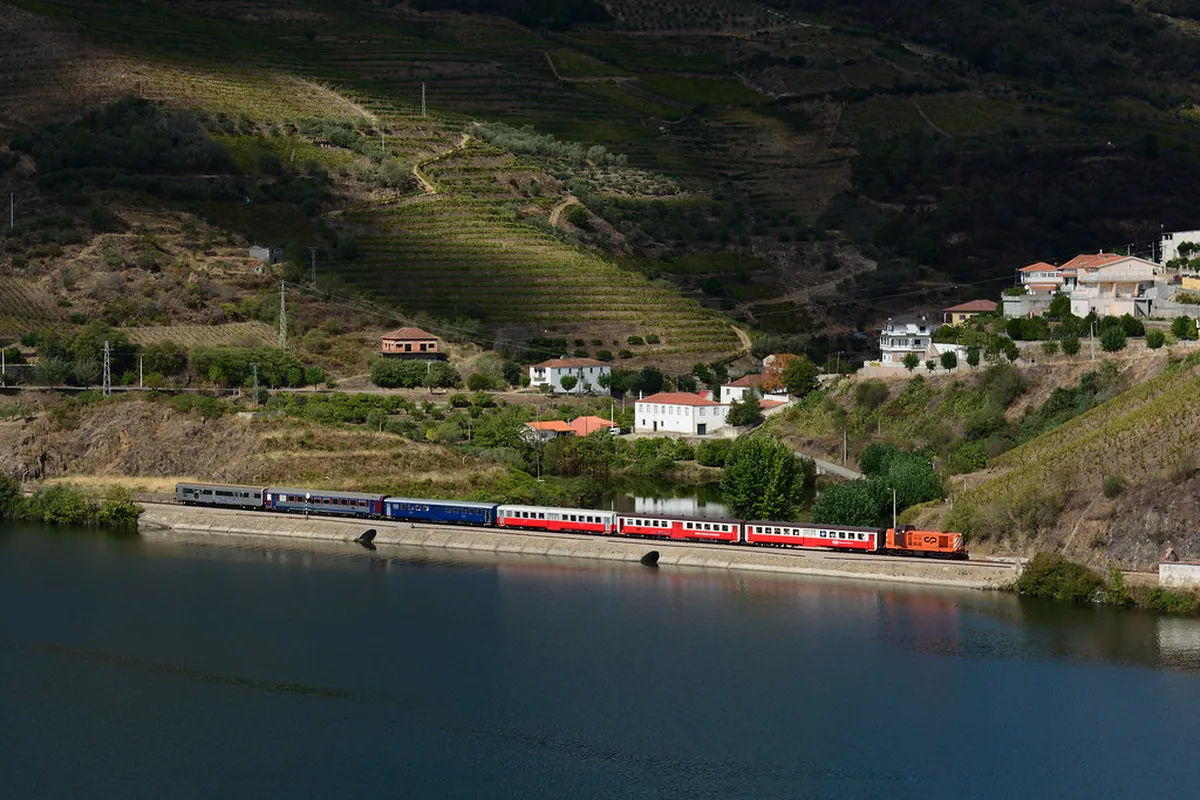
Typical stops on a guided day trip include at least one quinta (wine estate) for a tour and tasting, a lunch stop in or near Régua, and a short river cruise. Some tours add a second winery, an olive oil producer, or a viewpoint stop above Pinhão. The exact itinerary varies by operator, so reading the inclusions list before booking saves disappointment.
One detail many first-timers miss: the valley looks completely different from the water than from the road. The terraced hillsides only reveal their full scale when you see them from a boat moving upstream. Tours that combine a minibus ride out and a cruise back give you both perspectives — and that combination is hard to replicate if you go solo.
Guided Tours: Inclusions and 2026 Costs
Guided day tours from Porto to the Douro Valley fall into three broad tiers based on what is included. Budget tours (typically €55–€75 per person) cover transport, one winery visit with tastings, and a river cruise but ask you to pay for lunch separately. Mid-tier tours (€80–€110) fold in a set lunch at a local restaurant, usually two wine tastings, and a return by cruise or coach. Premium small-group tours (€120–€160+) add a second quinta, a port wine tasting at the estate, and sometimes a vintage-port pairing meal.
Lunch quality varies more than operators admit in their listings. A buffet at a river-front restaurant is very different from a sit-down meal at a quinta with wine pairings. Checking recent reviews specifically for the lunch component — not just the scenery — is the most reliable filter.
Most organised tours depart from central Porto between 8:00 and 9:00 AM and return by 7:00 PM, giving you a full day without overnight logistics. Group sizes matter too: a shared minibus of 15–20 people moves at a different pace than a private or small-group tour capped at 8. If the tasting and winery experience is the point of the trip, spending extra on a small-group format usually pays off.
- Budget shared tour (€55–€75)
- Includes shared minibus transport from central Porto both ways.
- One winery visit with two or three standard wine tastings.
- A one-hour river cruise between Régua and Pinhão is included.
- Lunch is not included and costs roughly €15–€25 on your own.
- Mid-tier full-day tour (€80–€110)
- Includes minibus transport, two winery stops, and a set lunch.
- A guided river cruise is included, usually around 90 minutes.
- Group sizes typically range from 10 to 20 passengers.
- Best for travellers who want a structured day with no surprises.
- Premium small-group tour (€120–€160+)
- Capped at 6 to 10 guests for a more personal winery experience.
- Includes a sit-down lunch with wine pairings at a quinta.
- Second winery or olive oil estate visit typically included.
- Best for wine enthusiasts who want depth over volume of stops.
DIY by Train: The Honest Trade-Off
The Douro Line train from Porto's Campanhã station to Pinhão is one of the most celebrated rail journeys in Europe. The trip takes roughly 2.5 to 3 hours each way and costs around €12–€15 for a one-way second-class ticket. For independent travellers who prize flexibility, it is genuinely hard to beat — you set your own pace and can linger in Pinhão as long as you like. Check Porto wine tour options if you want a blend of guided and self-directed experiences.
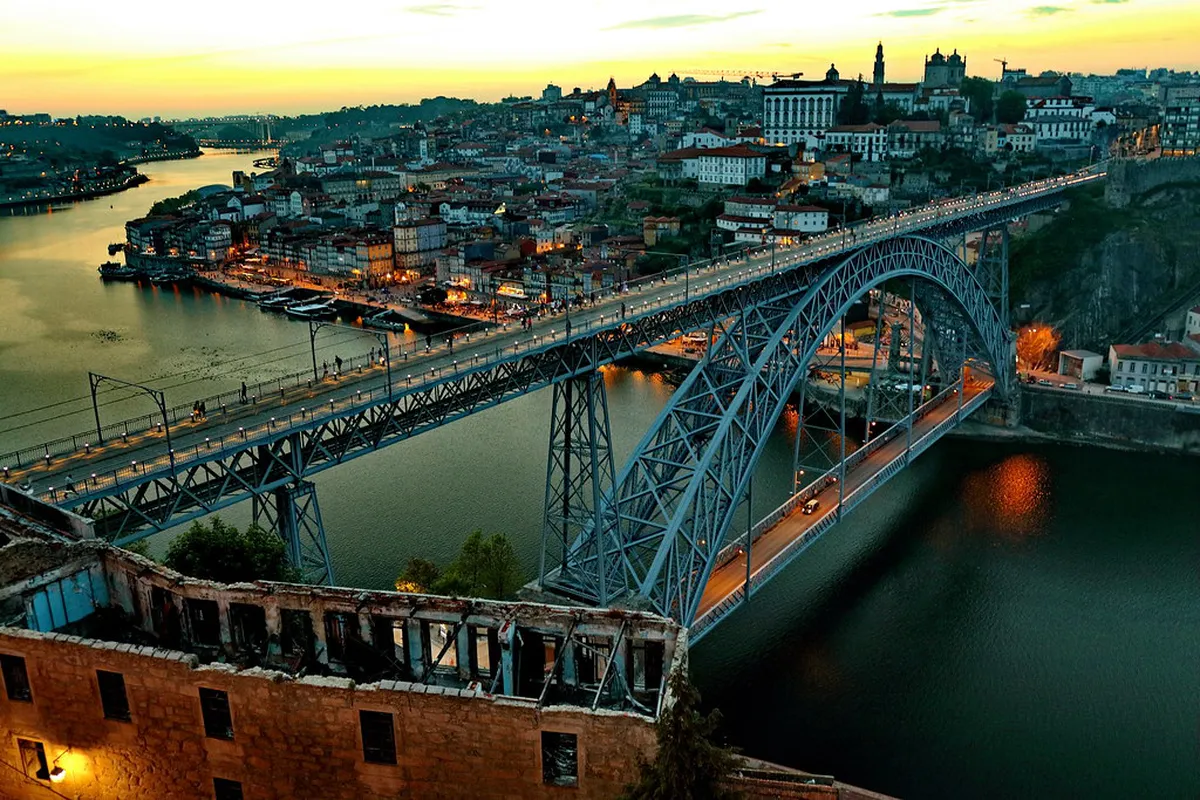
The honest catch: a train-only day gives you Pinhão village and the quintas within walking distance, but you stay on the riverbank. You will not see the valley from the water unless you separately book a local cruise — which most visitors do not realise until they arrive. Local river cruises in Pinhão run at set times and cost around €15–€20, so budget for them if the water view matters to you.
DIY also means handling lunch on your own in a small village with limited restaurant options. Pinhão has a handful of good spots, but they fill quickly in summer, and the best tables do not take walk-ins during harvest season. Reserving a restaurant in advance is genuinely worthwhile if you plan to travel between late August and October.
Tour vs DIY: How to Decide
A guided tour makes the most sense if this is your first visit to the Douro and you want the river view, wine education, and lunch sorted in one booking. Tours remove the logistical friction: no timetables to match, no table reservations to chase, and no guessing which quinta is worth the entry fee. For day trips from Porto, the Douro is the one excursion where organised access genuinely opens doors that are harder to reach solo.
DIY works well for experienced independent travellers who have already visited the valley once or who prioritise the train journey itself as part of the experience. Photographers, rail enthusiasts, and slow travellers often prefer the train option precisely because it removes the group schedule. The trade-off is real: you sacrifice the river perspective and the curated wine experience unless you build those back in separately.
Budget is rarely the deciding factor once you add up DIY costs honestly. Train tickets, a local cruise, a quinta entry fee, and a restaurant lunch in Pinhão can reach €60–€80 per person — comparable to a budget group tour. The main DIY advantage is flexibility, not price.
Booking Tips and When to Go
Harvest season — late August through October — is the most atmospheric time to visit the Douro Valley. Grape picking at the quintas, the smell of fermenting must, and the valley's warm amber light make it a genuinely different experience from a spring visit. It is also the busiest period, and popular tours sell out two to three weeks in advance.
Spring (April to June) is the second-best window: the terraces are green, crowds are lighter, and tour prices can be 15–20% lower than peak. Avoid the Douro in late November through February if you want comfortable outdoor time, as valley fog and cool temperatures limit the visual payoff. For Porto wine country cycling tours, spring is the ideal season before summer heat sets in.
Book at least a week ahead in spring and a full three weeks ahead in harvest season for any mid-tier or premium tour. Most operators offer free cancellation up to 24–48 hours before departure, so booking early carries little risk. Arriving at the Porto meeting point 10 minutes early is worth doing — departure windows are tight and some operators leave on time.
Booking the Douro Line Train: Practical Details
If you choose the DIY route, a few logistics are worth knowing before you show up at the station. The correct departure point is Porto Campanhã, not São Bento — the Douro Line does not serve São Bento for this journey, and confusing the two stations is the most common first-timer mistake. Campanhã is about a 10-minute metro ride from central Porto on the Blue Line (A), and trains to Pinhão depart several times through the morning, with the first service typically around 6:30–7:00 AM.
Tickets are sold through CP (Comboios de Portugal) at cp.pt or at station ticket machines. A second-class return to Pinhão costs around €24–€30. Booking online a day or two ahead is sufficient in spring, but in harvest season (September–October), seats on the morning trains sell out; buy at least a week ahead. The scenic stretch between Régua and Pinhão runs along the river's edge, so a seat on the left side of the train heading east gives you the best water-level views. Train journey time from Campanhã to Pinhão is approximately 2 hours 40 minutes with no changes required.
| Option | 2026 Cost (per person) | Lunch | River Cruise | Group Size | Best For |
|---|---|---|---|---|---|
| Budget shared tour | €55–€75 | Not included (pay ~€15–€25 separately) | Included (1 hour, Régua–Pinhão) | 15–20 passengers | Travellers on a tight budget who still want guided transport & a cruise |
| Mid-tier full-day tour | €80–€110 | Included (set lunch at local restaurant) | Included (~90 minutes, guided) | 10–20 passengers | Travellers who want a structured day with no surprises |
| Premium small-group tour | €120–€160+ | Included (sit-down with wine pairings at a quinta) | — | 6–10 guests | Wine enthusiasts who want depth over volume of stops |
| DIY by train (Douro Line) | €24–€30 return (train) + €15–€20 local cruise | Not included (self-arrange in Pinhão) | Optional (local cruise ~€15–€20, booked separately) | — | Independent travellers who prioritise the train journey or have visited before |
Frequently Asked Questions
How long is the drive from Porto to the Douro Valley?
The drive from Porto to Régua, the gateway to the Douro wine region, takes roughly 1 hour 45 minutes to 2 hours depending on traffic. Most guided tours cover the same distance in around 2 hours by minibus. The Douro Line train takes 2.5 to 3 hours but offers far more scenic views along the way.
Is a Douro Valley day trip from Porto worth it?
Yes — the Douro Valley is one of the most visually striking UNESCO-listed wine regions in Europe, and a day trip from Porto is enough to get a genuine feel for it. A guided tour that includes a river cruise and winery visit covers the highlights well. If you are short on time, this is one of the few day trips that rewards even a single day.
Can you do the Douro Valley without a tour?
Yes. The Douro Line train from Porto Campanhã to Pinhão is one of the most scenic rail routes in Portugal. The trade-off is that you will not see the valley from the water unless you separately book a local river cruise, and lunch options in Pinhão are limited. It suits independent travellers who have some planning flexibility. Explore the best day trips from Porto for more options.
What is typically included in a Douro Valley tour from Porto?
Most full-day tours include return transport from central Porto, at least one winery visit with tastings, and a river cruise segment. Mid-tier and premium tours add a sit-down lunch, sometimes with wine pairings. Budget tours cover transport and the cruise but typically charge separately for lunch, so check the inclusions list carefully before booking.
When is the best time to visit the Douro Valley on a day trip?
Late August to October is harvest season — the most atmospheric time, with grape picking under way at the quintas. Spring (April to June) is quieter and often cheaper. Both windows beat midsummer for comfort. Winter visits are possible but valley fog and shorter days reduce the scenic impact considerably.
A Porto to Douro Valley day trip earns its reputation, but the experience you get depends entirely on how you structure it. Guided tours — particularly mid-tier and small-group options — deliver the river view, wine depth, and logistical ease that make the Douro memorable rather than merely scenic. DIY by train is a genuine alternative for independent travellers, though the cost savings are smaller than they first appear once you add a cruise and lunch.
The clearest advice we can offer: if the Douro is new to you, book a tour that includes a river cruise and lunch. If you have been before and want the train journey for its own sake, the DIY route rewards that choice. Either way, book early for harvest season — availability disappears fast for the best operators.
Free: The Porto Essentials guide
Top things to do, where to stay, a perfect day plan, getting around, and the best time to go — a Porto mini-guide you can take offline.
Plan the next decision
Continue reading
More independent guides you'll find useful