Porto Wine Country Cycling Tour: Worth It?
Honest Porto wine country cycling tour review: difficulty, what's included, 2026 prices, and who it really suits. Find out if it's worth booking.

On this page
Porto Wine Country Cycling Tour Review: Is It Worth Booking in 2026?
Cycling through the Douro Valley with a glass of local wine waiting at the end sounds like the perfect Porto day out. But before you click "book," it pays to know exactly what you're signing up for. This review breaks down the difficulty, the inclusions, the 2026 pricing, and the honest trade-offs so you can decide whether this tour earns its spot on your itinerary.
⚡ Tour Verdict quick take: Honest Porto wine country cycling tour review: difficulty, what's included, 2026 prices, and who it really suits. Find out if it's worth booking.
Porto wine country cycling tours combine two of the region's biggest draws: the vine-covered hillsides of the Douro and the quintas that have been producing port wine for centuries. Most day tours depart from the city, follow the river east, stop at one or two estates for tastings, and return by late afternoon. The experience is genuinely hard to replicate on your own without a car, which is partly why these tours fill up fast in peak season.
Last updated June 2026.
Free: The Porto Essentials guide
Top things to do, where to stay, a perfect day plan, getting around, and the best time to go — a Porto mini-guide you can take offline.
What the Tour Actually Includes
Most Porto wine country cycling tours run between five and seven hours, covering roughly 20 to 35 kilometres along the Douro River corridor. The route typically hugs the southern bank of the river, where the terrain is more manageable and the vineyard scenery is densest. A support van follows the group the entire way, carrying luggage, extra water, and anyone who needs a rest — this is not a "suffer or walk home" situation.
Tastings at one or two quintas are almost always included, usually covering two to four wines per estate. Some operators include a light lunch or snack platter alongside the tasting; others factor in a sit-down meal at a quinta restaurant. Read the specific operator's inclusions carefully, because the difference between a tasting-only tour and a full lunch tour can shift the value calculation significantly.
Group sizes on reputable tours are capped between 8 and 14 riders, which keeps the pace social without becoming unwieldy. A bilingual English-Portuguese guide handles logistics, explains the winemaking history, and narrates the landscape as you ride. Helmets and bikes — either standard hybrid or electric — are provided and adjusted before departure.
- Route and distance
- Typically 20–35 km along the Douro River corridor.
- Mostly flat to rolling terrain following the southern bank.
- A support van accompanies the group the whole way.
- Wine tastings included
- Stops at one or two Douro quintas are standard.
- Two to four wines poured per estate, guided by staff.
- Some tours add a light lunch or snack platter at the quinta.
- Equipment and guides
- Hybrid or e-bike provided and fitted before the ride starts.
- Helmet included; padded shorts are not usually provided.
- Bilingual guide leads the group and handles all logistics.
Difficulty: Who Can Handle This Ride
The Douro Valley is not flat — anyone who has looked at a topographic map knows the valley walls are steep. The good news is that most cycling tours are routed along the flatter riverside paths, not up the terraced vineyards. Expect occasional gentle climbs into village outskirts, but nothing that demands race fitness or technical skill.
Electric bikes have made these tours genuinely accessible to a much wider range of riders. If you haven't cycled in a few months, or if you want to spend more energy on the wine and less on the pedalling, an e-bike removes most of the worry. Most operators offer e-bikes at the same price or for a small supplement; confirm availability when booking because e-bikes can sell out first.
Children aged 12 and over are generally welcomed on standard bikes; younger children can sometimes join in bike trailers or on tag-alongs, depending on the operator. Riders with knee or hip issues should check the terrain profile and mileage directly with the operator before committing. For context, riders who complete Porto hiking tours comfortably will likely find the cycling distance manageable on a standard bike.
2026 Prices and What You Get for the Money
Group Porto wine country cycling tours in 2026 are priced in the range of €70 to €110 per person, depending on whether lunch is included and how many quinta stops are on the itinerary. Private tours for two to four people typically run €150 to €200 per person, reflecting the dedicated guide and flexible pace. Prices have nudged upward from 2024 levels as demand for Douro Valley day experiences has grown, so early booking is worthwhile.
Compare that against the cost of a self-guided alternative: a rental car from Porto runs €40 to €60 per day, quinta tastings cost €8 to €20 per estate, and lunch at a riverside restaurant adds another €20 to €30. The guided tour is not always cheaper, but it removes navigation stress, parking logistics, and the obvious problem of wine-tasting while driving. For most visitors, the convenience and the social element justify the premium over a DIY approach.
Most operators require a deposit of 20 to 30 percent at booking, with the balance due on the day. Cancellation policies typically allow a full refund up to 24 or 48 hours before departure; last-minute cancellations usually forfeit the deposit. Travel insurance that covers activity cancellations is worth considering if your Porto dates are not yet fixed.
The Verdict: Is This Tour Worth It?
For visitors who want to see the Douro Valley in a day without renting a car, this tour delivers strong value. The combination of guided cycling, expert commentary on the winemaking landscape, and included tastings is genuinely difficult to replicate independently. Wine enthusiasts who have already done a standard Porto wine tour will find the cycling format adds a physical dimension that makes the quintas feel more earned.
The tour is less compelling for serious cyclists who want a proper athletic challenge. The pace is social and the distances are modest by cycling standards; treat it as a scenic day out rather than a training ride. Similarly, if your priority is a deep-dive tasting session with multiple wines and a sommelier-led flight, a dedicated quinta visit without the riding might serve you better.
Where this format really earns its price is for mixed groups — couples or small groups of friends where some are keener cyclists and others are primarily wine lovers. The e-bike option levels the playing field, the support van removes the fear of being left behind, and the scenery along the Douro is consistently spectacular. Our honest verdict: book it if the Douro Valley is on your list and you don't have a car; consider skipping it only if you're a seasoned cyclist looking for elevation gain.
Practical Tips Before You Book
Spring (April to June) and early autumn (September to October) are the best months for this tour. Temperatures stay comfortable for cycling, the vineyards are either flowering or turning gold, and crowds at the quintas are thinner than in July and August. Harvest season in late September and October is particularly atmospheric — pressing is often underway and the smell of fermenting grapes fills the air.
Wear comfortable, breathable layers and closed-toe shoes; cycling sandals or flip-flops are a poor choice on uneven vineyard paths. Sunscreen and a lightweight rain layer for spring days will cover most weather eventualities. A small daypack for your camera, a light jacket, and a refillable water bottle is all you realistically need.
Most tours depart from a central Porto meeting point — typically near the waterfront or Gaia — between 8:30 and 9:30 in the morning. Plan to return by 4:00 to 5:00 PM, which leaves the evening free for dinner in the Ribeira. If you want to extend the valley experience into a full day trip, check the dedicated Porto to Douro Valley day trip options that include train or boat transport alongside the cycling.
Combining the cycling tour with a morning Porto walking tour the day before gives excellent context for the winemaking history you'll encounter at the quintas. Book at least one week in advance during peak season; the best-reviewed operators with e-bike availability sell out two to three weeks ahead in August. Confirming your group size and dietary requirements at booking avoids last-minute surprises at the lunch stop.
Getting to the Tour Meeting Point
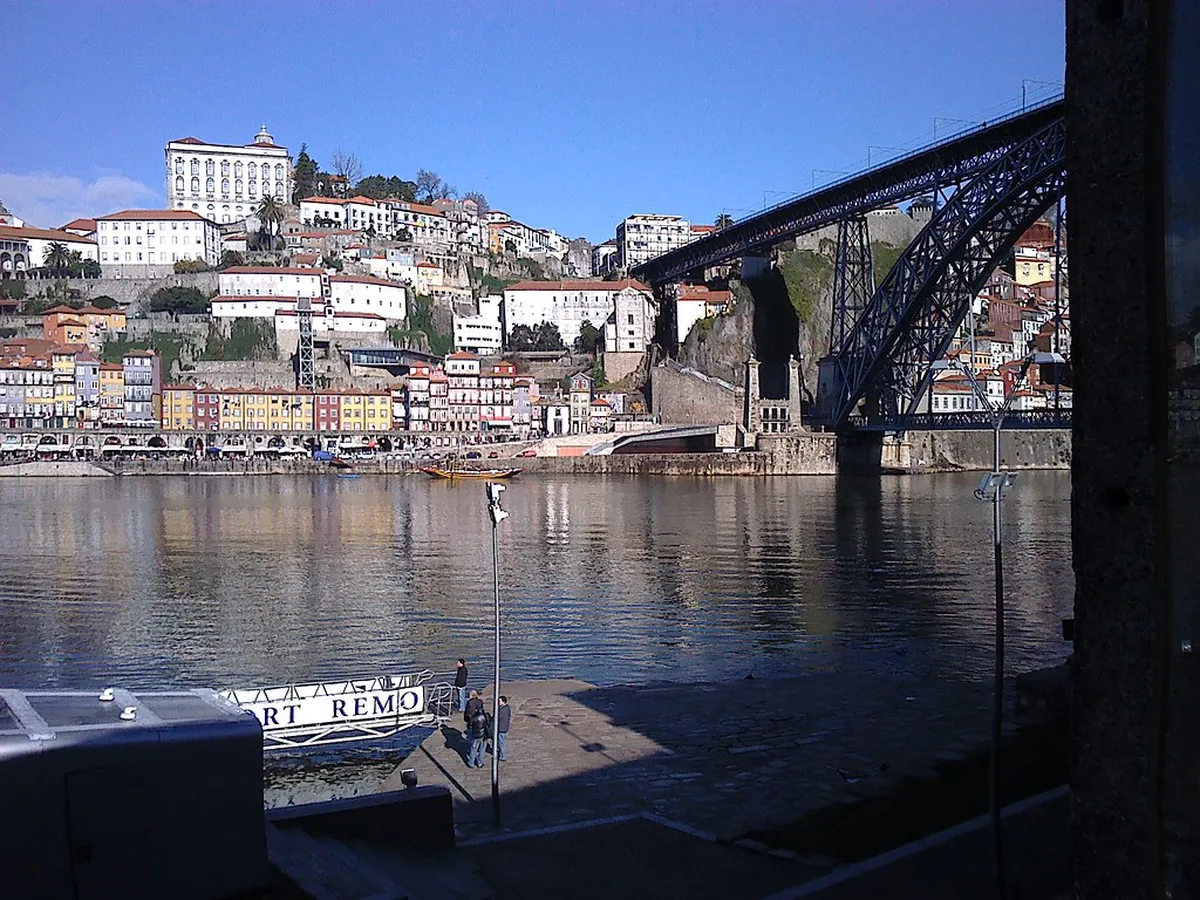
Most operators set their meeting point at the Ribeira waterfront or on the Vila Nova de Gaia esplanade, a short walk from the Dom Luís I Bridge. From central Porto, the Metro's line D (yellow) runs to Jardim do Morro station in Gaia in under 10 minutes from Trindade; a single ticket costs €1.85. A taxi or rideshare from the Aliados area runs €5 to €8 and takes roughly 10 minutes in morning traffic — a reasonable option if you're travelling with cycling kit or a larger group.
Tours typically require check-in 15 minutes before departure, so a 9:00 AM start means arriving by 8:45. Parking is available on the Gaia waterfront but fills quickly on summer mornings; if you're driving from outside Porto, factor in 15 to 20 minutes to find a space. The meeting point address is confirmed in your booking confirmation — don't rely on a generic map pin, as several operators depart from adjacent but distinct spots along the esplanade.
| Option | 2026 Cost (per person) | Duration / Distance | Group Size | Best For |
|---|---|---|---|---|
| Group cycling tour | €70–€110 (lunch-inclusive options at the higher end) | 5–7 hours / 20–35 km | 8–14 riders | Most visitors; social groups wanting guided access to the Douro without a car |
| Private cycling tour | €150–€200 | 5–7 hours / 20–35 km | 2–4 riders | Couples or small groups wanting a flexible, dedicated-guide experience |
| DIY self-guided (rental car) | Car €40–€60/day + tastings €8–€20 per estate + lunch €20–€30 | — | — | Experienced drivers comfortable navigating; note wine-tasting while driving is the obvious drawback |
Frequently Asked Questions
How fit do you need to be for a Porto wine country cycling tour?
Moderate fitness is enough for most group tours, especially if you choose an e-bike. The route follows relatively flat riverside paths rather than steep vineyard hillsides. Most riders — including occasional cyclists and older adults — complete the 20–35 km distance comfortably. If you're unsure, request the elevation profile from the operator before booking.
How much does a Porto cycling wine tour cost in 2026?
Group tours typically cost €70 to €110 per person in 2026, with lunch-inclusive options at the higher end. Private tours for small groups run €150 to €200 per person. Prices reflect the included wine tastings, bike hire, helmet, and guide — making the per-head cost competitive against a self-guided car trip when you factor in tastings and parking.
Are e-bikes available on Porto wine cycling tours?
Yes — most reputable operators offer electric bikes, sometimes at no extra charge and sometimes for a small supplement of €10 to €20. E-bikes are popular and can book out before standard bikes, so request one explicitly when reserving. They make the gentle climbs into villages effortless and let you focus on the scenery rather than the effort.
Can I visit the Douro Valley without a cycling tour?
Absolutely. The valley is accessible by scenic train from Porto's São Bento station, by rental car, or via boat cruises on the Douro. If cycling is not your preference, explore day trips from Porto to the Douro Valley that combine train travel with quinta visits and tastings for a similarly immersive experience without the bikes.
What is the best time of year for a Douro Valley cycling tour?
April to June and September to October are the sweet spots. Spring brings lush green vineyards and mild temperatures ideal for cycling. The autumn harvest (late September through October) adds a sensory layer — pressing in action, golden vines — that makes the wine-country setting even more vivid. Summer is warm and busy; January through March can bring rain and some quinta closures.
A Porto wine country cycling tour earns its place on most Porto itineraries, particularly for visitors who want to experience the Douro Valley without navigating a rental car on mountain roads. The balance of gentle cycling, included wine tastings, and expert guidance covers ground that would be genuinely time-consuming to replicate independently. For anyone with an afternoon free in Porto, the combination of river scenery and quinta hospitality makes for a satisfying and memorable day.
Go in spring or autumn for the best conditions, request an e-bike if you have any doubt about fitness, and book ahead to secure your preferred operator. If you want to pair it with wider Porto experiences, consider combining it with a Porto food tour or an evening in the city's wine bars for a fuller taste of what the region offers. The Douro Valley rewards visitors who take their time with it — and a cycling tour is one of the most rewarding ways to do exactly that.
Free: The Porto Essentials guide
Top things to do, where to stay, a perfect day plan, getting around, and the best time to go — a Porto mini-guide you can take offline.
Plan the next decision
Continue reading
More independent guides you'll find useful