Bruges to Ghent Day Trip: Is It Worth It?
Planning a Bruges to Ghent day trip? We break down the train cost, guided tour options, top highlights, and whether it's truly worth your time in 2026.

On this page
Bruges to Ghent Day Trip: Guided Tour vs DIY Train (2026 Verdict)
Last updated June 2026.
A Bruges to Ghent day trip is one of the easiest excursions in Belgium — and one of the most rewarding. Ghent sits just 30 minutes by train from Bruges, yet most visitors to Belgium skip it entirely in favour of Bruges or Brussels. That oversight works in your favour: Ghent's medieval waterfront and castle feel far less crowded than comparable sites in the region.
⚡ Tour Verdict quick take: Planning a Bruges to Ghent day trip? We break down the train cost, guided tour options, top highlights, and whether it's truly worth your time in 2026.
The real question isn't whether to go — it's how to go. A guided tour adds structure and context, while the DIY train route gives you total freedom for a modest fare. We've mapped out the key differences so you can pick the option that fits your trip.
Free: The Bruges Essentials guide
Top things to do, where to stay, a perfect day plan, getting around, and the best time to go — a Bruges mini-guide you can take offline.
How Far Is Ghent from Bruges?
Ghent is roughly 55 kilometres from Bruges by road, but the train cuts travel time to around 30 minutes. Direct services run approximately every 30 minutes throughout the day from Bruges station (Brugge), so you rarely need to plan around a tight timetable. The journey involves at most one transfer, and connections are generally smooth.
Arriving at Ghent-Sint-Pieters station, you're about a 10-minute tram or 25-minute walk from the medieval city centre. Tram line 1 runs directly from the station to the Korenmarkt, which is the heart of the old town. Budget around 15 minutes of travel time after the train to reach the main sights.
The ease of the journey is a major reason this day trip has such a strong reputation among travellers staying in Bruges. You can realistically leave after breakfast, spend six or seven hours exploring Ghent, and be back in Bruges for dinner.
Guided Tour vs DIY Train: Which Is Worth It?
The choice between a guided tour and a DIY train trip depends mostly on what you want from the day. Guided tours to Ghent from Bruges typically run half-day or full-day and are led by an English-speaking guide who explains the city's history at each major site. These tours often include stops at Gravensteen Castle, the Graslei waterfront, and St. Bavo's Cathedral — the same highlights you'd visit on your own, but with narrated context.
The main downside of a guided tour is cost and pace. Prices typically start from around €40–€60 per person for a group tour, and the itinerary is fixed, meaning you can't linger at a spot that interests you or duck into a side street. If you travel as a couple or family, those per-person costs add up quickly compared with a return train ticket.
Going independently is straightforward and affordable. A standard return train ticket between Bruges and Ghent costs roughly €10–€15 per person when booked through Belgian rail (NMBS/SNCB), and trains run frequently enough that you don't need to commit to a fixed return time. The downside is that you won't have someone explaining why Gravensteen's towers look the way they do — but that gap is easy to fill with a good audio guide app or a free walking tour in Ghent.
Our verdict on this comparison: the DIY train wins for most travellers, particularly those who have already done guided city tours and prefer to set their own pace. A guided tour from Bruges makes more sense if it's your first time in Belgium, if you want historical depth without doing research yourself, or if you're travelling with young children who benefit from an engaging guide. Check our roundup of day trips from Bruges to see how Ghent stacks up against other options.
- Guided tour from Bruges
- Cost typically runs €40–€60 per person for group departures.
- Inclusions usually cover a guide, transport, and entry to one or two sites.
- Best suited to first-time visitors who want historical context built in.
- Fixed schedule means less flexibility to explore independently.
- DIY by train (NMBS/SNCB)
- Return fare is roughly €10–€15 per person from Bruges to Ghent.
- Trains depart every 30 minutes with no advance booking required.
- Best suited to independent travellers who want full schedule control.
- You set your own pace and choose which sites to linger at.
What to See in Ghent on a Day Trip
Ghent's medieval core is compact enough to cover most highlights on foot in a single day. The Graslei and Korenlei — two facing quays along the Leie river — are the most photographed spots in the city and a natural starting point. Grab a coffee from one of the nearby cafés and walk both sides of the water before the crowds arrive.
Gravensteen Castle is the city's most distinctive landmark, a 12th-century fortified castle that rises directly from the city streets. Entry costs around €14 for adults, and the self-guided audio tour is included in that price. Allow about 90 minutes if you plan to do the full circuit including the rooftop views.
St. Bavo's Cathedral holds the altarpiece known as the Ghent Altarpiece (The Adoration of the Mystic Lamb), one of the most studied early Flemish paintings in the world. A dedicated viewing room was built to display it properly, and a separate admission applies — currently around €6–€8. Even travellers with limited interest in religious art tend to find the sheer scale and detail of the work striking.
Ghent also has a strong food scene that rewards spontaneous exploration. The area around Vrijdagmarkt square has a concentration of casual lunch spots, and the city is known for its local dish called waterzooi, a creamy stew served with bread. Afternoon is a good time to visit the Design Museum Ghent or the smaller craft shops along Onderstraat if you have energy after the main sights.
How to Get the Most Out of One Day
Arriving before 10:00 makes a meaningful difference in Ghent. The Graslei and Gravensteen Castle both see far fewer visitors in the first hour after they open, and morning light is better for photos along the waterfront. Aim to catch the first or second train from Bruges, which typically departs around 07:30–08:30 depending on the day.
Prioritise Gravensteen Castle and St. Bavo's Cathedral in the morning when you have the most energy. Both sites require some walking and stair-climbing, so front-loading them before lunch is a practical choice. Leave the Graslei walk and any museum visits for early afternoon when the castle crowds thicken.
One mistake travellers often make is underestimating tram travel time at the end of the day. Ghent-Sint-Pieters station is not walking distance from the city centre, so leave at least 30 minutes to get back in time for your planned train. If you're booked on a guided tour, the group transport handles this — another minor advantage of the organised option.
For those who enjoy cycling, Bruges itself is well set up for two-wheel exploration before or after the Ghent trip. Consider pairing your visit with a Bruges cycling tour on the same day or the day before to balance the day-trip pace with some local riding. The contrast between the canal-laced streets of Bruges and Ghent's busier urban core makes for a varied Belgium experience.
Is the Bruges to Ghent Day Trip Worth It?
For most travellers spending two or more nights in Bruges, this day trip is unambiguously worth doing. The train is fast and cheap, Ghent is genuinely beautiful, and the city feels authentically lived-in rather than purely tourist-facing. Even half a day in Ghent yields a strong return on the train fare.
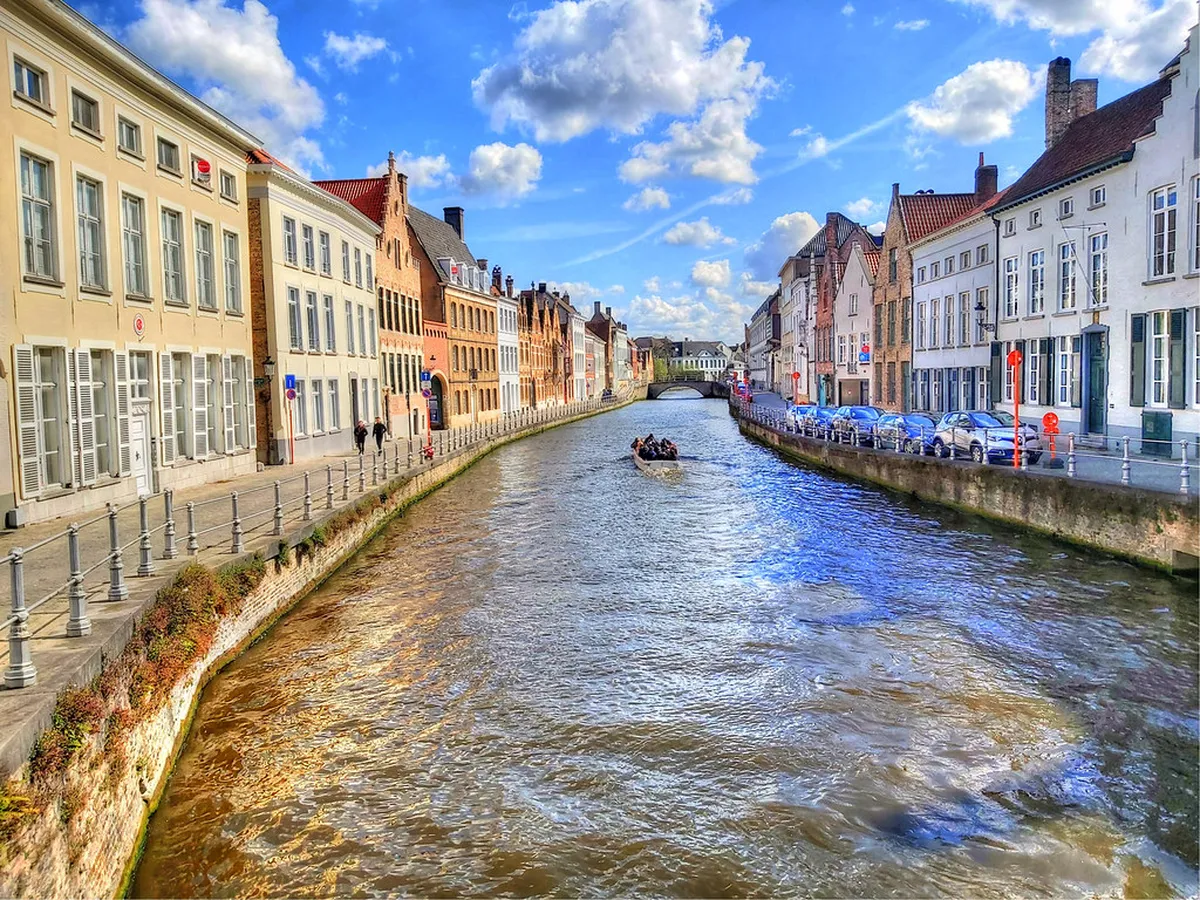
The trip is harder to justify if you're only in Bruges for one night and haven't yet explored Bruges itself fully. Bruges has enough to fill two days comfortably — the Markt, the Beguinage, the canal walks, the chocolate shops — and rushing a Ghent excursion on top of an underexplored Bruges is a common regret. Prioritise Bruges first, then Ghent.
A guided tour from Bruges earns its cost most clearly for travellers on a tight schedule who want to hit both cities' highlights without any planning burden. If you book a full-day guided tour, make sure it includes sufficient time at each site rather than a bus-heavy itinerary with brief photo stops. The best guided options give you at least 4–5 hours of actual time in Ghent.
Our overall recommendation: take the train independently, arrive early, and pair a castle visit with a riverside lunch. If you're the kind of traveller who likes historical depth on demand, layer in a Bruges walking tour the day before to get your bearings on Flemish history before heading to Ghent. The two cities complement each other better than almost any other same-day pairing in northern Europe.
| Option | 2026 Cost (per person) | Travel Frequency | What's Included | Best For | Verdict |
|---|---|---|---|---|---|
| Guided tour from Bruges | €40–€60 | Fixed schedule | Guide, transport, entry to one or two sites | First-time visitors; travellers with children | Worth it if you want historical context without research |
| DIY by train (NMBS/SNCB) | €10–€15 return fare | Every 30 minutes, no advance booking required | Train only — attractions paid separately | Independent travellers who want full schedule control | Best value for most travellers; DIY train wins |
Frequently Asked Questions
How long does the train from Bruges to Ghent take?
The train journey from Bruges (Brugge station) to Ghent-Sint-Pieters takes approximately 30 minutes on direct services. Trains run roughly every 30 minutes throughout the day, so you rarely need to book in advance. From the station, allow another 10–15 minutes by tram to reach Ghent's medieval city centre.
Is a guided tour from Bruges to Ghent worth the extra cost?
A guided tour is worth it if you're a first-time visitor to Belgium who wants historical context without doing your own research, or if you're travelling with children who benefit from an engaging guide. For independent travellers, the DIY train option delivers better value and more flexibility at a fraction of the cost. See our guide to the best day trips from Bruges for a broader comparison.
How much does it cost to visit Ghent from Bruges for a day?
A return train ticket between Bruges and Ghent costs roughly €10–€15 per person. On top of that, Gravensteen Castle entry runs around €14 and the Ghent Altarpiece viewing costs around €6–€8. Budget €40–€60 per person all-in for a comfortable DIY day that includes transport, one or two paid attractions, and lunch.
Can you do Bruges and Ghent in one day?
Technically yes, but we recommend against it. Both cities deserve several hours each to appreciate properly, and rushing between them leaves you feeling stretched rather than satisfied. If you only have one day in Belgium, choose one city. If you have two or more nights in the region, use one full day in Bruges and a second day for the Ghent excursion.
What is Ghent most famous for?
Ghent is best known for Gravensteen Castle, the medieval Graslei and Korenlei waterfronts, and St. Bavo's Cathedral, which houses the Ghent Altarpiece — a 15th-century Flemish masterwork considered one of the most important paintings in Europe. The city also has a lively food and craft beer scene that rivals Bruges without the same level of tourist crowds.
The Bruges to Ghent day trip is a well-earned favourite among travellers who take the time to make it. Ghent delivers medieval architecture, world-class art, and a relaxed atmosphere — all within 30 minutes of Bruges by train. For most visitors, the DIY train route is the smarter and more satisfying choice.
If you do opt for a guided tour, focus on options that prioritise time in the city over time on a bus. Either way, plan to be in Ghent by mid-morning and back in Bruges before evening so you don't feel rushed. A well-timed day in Ghent often becomes the highlight of a Belgium trip that visitors didn't know they needed.
Free: The Bruges Essentials guide
Top things to do, where to stay, a perfect day plan, getting around, and the best time to go — a Bruges mini-guide you can take offline.
Plan the next decision
Continue reading
More independent guides you'll find useful