Best Day Trips from Bruges in 2026
Planning day trips from Bruges? Discover Ghent, Brussels, Ypres, and Damme with our honest tour-vs-DIY verdict, costs, and tips for 2026.
On this page
Day Trips from Bruges: Worth It? Our Honest Guide
Bruges is one of Europe's most photogenic cities, but it is also a strategic base for exploring the broader region. Within an hour or two, you can reach medieval Ghent, the buzzing capital Brussels, the solemn WWI battlefields of Ypres, and the quiet canal village of Damme. Each destination rewards a day visit in a different way, and choosing between a guided tour and a solo trip changes the experience significantly. This guide cuts through the noise so you know exactly where to go, how to get there, and whether a tour is genuinely worth the extra spend.
⚡ Tour Verdict quick take: Planning day trips from Bruges? Discover Ghent, Brussels, Ypres, and Damme with our honest tour-vs-DIY verdict, costs, and tips for 2026.
Last updated June 2026.
Free: The Bruges Essentials guide
Top things to do, where to stay, a perfect day plan, getting around, and the best time to go — a Bruges mini-guide you can take offline.
Best Day Trips from Bruges at a Glance
Four destinations consistently rise to the top when Bruges visitors plan a day trip. Ghent and Brussels are the easiest to reach independently by train, while Ypres and Damme reward a more deliberate approach. All four are reachable within two hours, so none require an overnight stay.
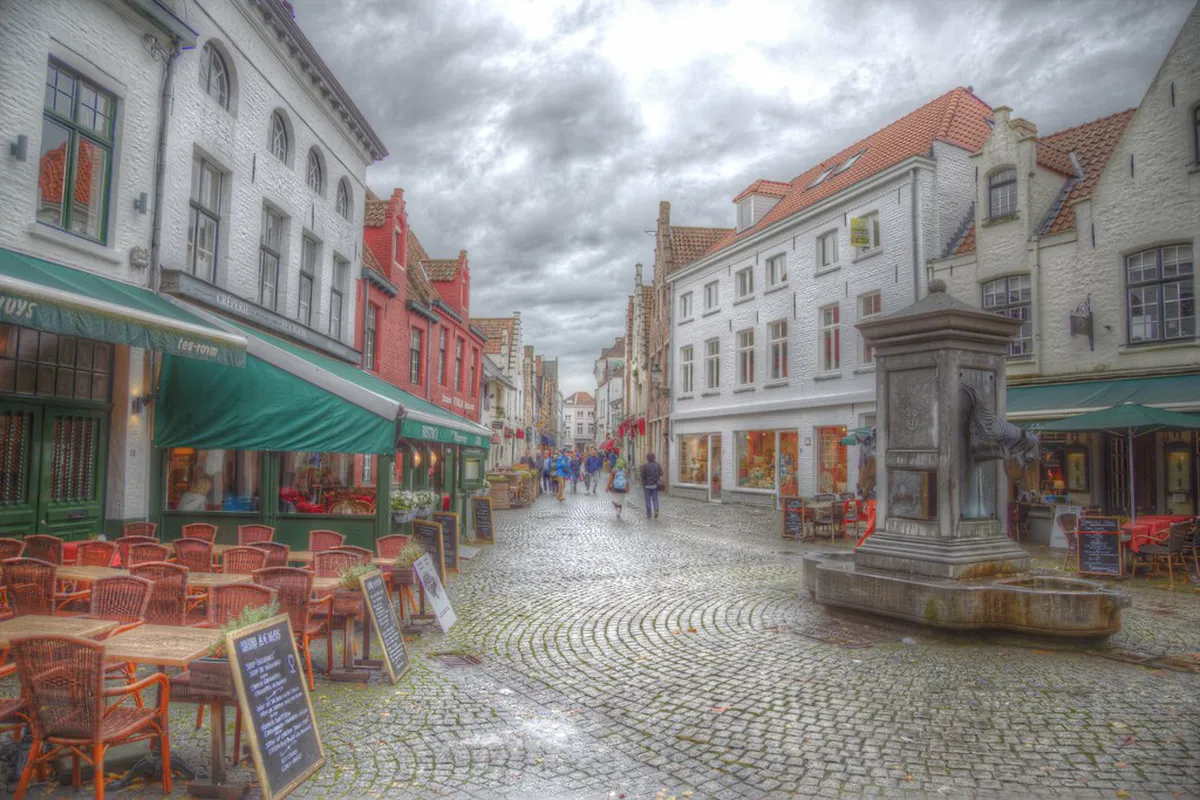
The list below shows travel time, rough cost, and whether a tour adds real value over going solo. Use it as a quick filter before diving into the detail for each destination.
- Ghent — 30 minutes by train
- Travel time is around 30 minutes from Bruges station by direct train.
- A standard return train ticket typically costs €10–€15 and requires no booking in advance.
- DIY works extremely well here because Ghent's sights are walkable from the station.
- A guided tour adds curated context about the medieval guilds and Ghent Altarpiece but is not essential.
- Brussels — 1 hour by direct train
- The direct Intercity train from Bruges to Brussels runs every half hour and takes about one hour.
- A return ticket costs roughly €25–€35, making it one of the cheaper Belgian rail journeys.
- Brussels is large enough that a tour helps first-time visitors stay focused and skip lines at key sites.
- Independent travellers who already know the city can cover the Grand-Place area and the Atomium without a guide.
- Ypres and Flanders Fields — 1.5 hours by train or bus
- Getting to Ypres requires a train to Ghent or Kortrijk and then a connection, which adds complexity.
- Most visitors find an organised tour significantly easier and more meaningful for this emotionally heavy site.
- The Last Post ceremony at the Menin Gate takes place every evening at 8pm and is free to attend.
- A full-day tour including the In Flanders Fields Museum and cemeteries typically costs €60–€90 per person.
- Damme — 7 km by bike or boat
- Damme sits just 7 km northeast of Bruges along a tree-lined canal and is best reached by bike.
- Renting a bike in Bruges for the day costs around €12–€18 and the flat route takes under 30 minutes.
- A canal boat also runs seasonally between the two towns, adding a scenic travel option.
- Damme suits half-day trips rather than a full day, making it ideal to combine with an afternoon in Bruges.
Ghent: The Top Day Trip from Bruges
Ghent is the most visited day trip from Bruges, and it earns that reputation. The city blends medieval grandeur with a lively student energy that Bruges itself lacks. Gravensteen Castle, the Graslei waterfront, and the Ghent Altarpiece in St Bavo's Cathedral alone justify the short train ride. Most travellers can cover the core sights on foot within five to six hours.
On the tour-versus-DIY question, Ghent is one destination where going solo is entirely viable. The train from Bruges runs frequently and the station is close to the main attractions. That said, a guided Bruges to Ghent day trip is worth considering if you want deep historical context delivered without research. Specialist guides explain the Flemish Primitives movement and guild history in ways that free audio guides rarely match.
Budget around €25–€40 for a DIY day including train, entry to St Bavo's Cathedral treasury, and lunch. A guided day trip typically adds €35–€55 on top of transport, so weigh that against your interest level. Ghent also rewards visitors who enjoy a Belgian beer experience, since local craft bars are easy to find near the Graslei. Plan to arrive by 10am to beat school groups and tour buses at the Altarpiece.
Brussels: Easy and Worth the Hour
Brussels is the obvious day trip for first-time visitors to Belgium who want to see the capital. The Grand-Place is one of the finest market squares in Europe, and the surrounding streets are dense with chocolate shops, waffle stands, and bars. Getting there by direct train takes about one hour from Bruges, with trains running every thirty minutes throughout the day. Buy your ticket at the station or online; no seat reservation is required on this route.

For solo travellers, Brussels is manageable in a day if you keep the itinerary tight. The Royal Museums of Fine Arts and the Magritte Museum are a short walk from the Grand-Place. The Atomium requires a metro or tram ride to Laeken and absorbs at least ninety minutes once you include the queue. Skip the Atomium if time is limited and prioritise the historic centre instead.
A guided Brussels day tour from Bruges removes the logistical pressure and typically bundles a private minibus transfer with a local guide. These tours cost €70–€120 per person and suit travellers who do not want to navigate Belgian rail connections independently. Families and older travellers often find the all-in format reduces stress and maximises sightseeing time. Independent visitors can replicate most of the same stops for a fraction of the price with some advance planning.
Ypres and Flanders Fields: Why Tours Win Here
Ypres is a different kind of day trip — quieter, heavier, and more affecting than any other destination on this list. The Westhoek region holds hundreds of WWI cemeteries, memorials, and preserved trench sites spread across the Belgian countryside. Getting there independently involves a train change at Kortrijk, and the cemeteries outside town require a car or taxi to reach. For most visitors, the logistics alone make a guided tour the smarter choice.
A well-structured Flanders Fields tour will include the In Flanders Fields Museum inside the Cloth Hall, Tyne Cot Cemetery, and several roadside memorials. The museum uses immersive displays to personalise the war's human cost, assigning each visitor a real soldier's story to follow. Many travellers describe it as the most emotionally powerful museum they have visited in Belgium. Allow at least ninety minutes inside so the experience does not feel rushed.
The Last Post ceremony at the Menin Gate takes place every evening at 8pm and is free to attend without a tour. If you visit independently, stay for the ceremony and plan your return train carefully, since late evening connections can be limited. A guided tour typically handles all timings and includes transport back to Bruges after the ceremony. This is one day trip where paying for a tour is almost always the right call.
Damme: The Underrated Slow-Travel Option
Damme is far less visited than the other destinations on this list, which is precisely what makes it appealing. The village sits at the end of a poplar-lined canal, with a ruined church tower, a modest windmill, and a handful of local restaurants. Renting a bike in Bruges and following the canal towpath is the classic way to arrive, and the flat 7 km ride is suitable for most fitness levels. Budget about two hours total for the ride out, a walk around the village, and the return journey.
Damme does not warrant a full day on its own, so most visitors pair it with a late afternoon back in Bruges. The village is small enough to explore in ninety minutes, including a climb up the Town Hall tower for canal views. A seasonal canal boat also links Bruges to Damme from spring through autumn, running a relaxed one-hour passage each way. Check current departure times locally before planning your return, as the service operates on a limited schedule.
Tours do not add much value here since the draw is the peaceful canal ride and the village atmosphere, not expert interpretation. Hiring a bike and riding out solo is the most authentic and cost-effective way to experience Damme. If you prefer guided cycling, Bruges cycling tours occasionally include Damme on their route and can add a social element to the ride. Either way, Damme is a genuinely restorative half-day if you want contrast to the crowds in central Bruges.
Tour vs DIY: How to Make the Call
The honest answer is that the right choice depends more on the destination than on any general rule. For Ghent and Damme, going independently saves money without sacrificing experience. For Ypres and Flanders Fields, a tour adds meaningful logistical and interpretive value that justifies the cost. Brussels sits in the middle — independent travel is viable, but first-timers gain a lot from a structured introduction.
When a guided tour genuinely earns its price, it tends to offer access that is hard to replicate solo. Think skip-the-line access at top museums, a guide who can answer spontaneous questions, and transfers that remove navigation stress. If a tour is simply a bus ride plus a walking circuit with a headset, the DIY option is nearly always better value. Reading recent reviews before booking helps identify which category any given tour falls into.
One practical tip: check whether your tour departs from Bruges itself or requires you to meet in another city. Meeting-point logistics can quietly eat an hour of your day trip. For Bruges-based departures that cover multiple styles of the city before heading out, the Bruges walking tours page lists options with honest ratings. Booking at least a few days ahead is worth it during summer, when popular day trips fill quickly.
Getting There from Bruges: Practical Transport Notes
All trains depart from Bruges station (Brugge-Sint-Pieters), a 15-minute walk or short bus ride from the Markt. The Belgian rail network (SNCB/NMBS) is walk-up friendly — no seat reservation is required on domestic Intercity or IR trains, so you can buy your ticket at the station on the day. Tickets are also available via the SNCB app, which avoids queues at busy periods.
Ghent takes roughly 28 minutes on a direct IC train (every 30 minutes, return ~€10–€15, no advance booking needed). Brussels is about one hour on the same line (every 30 minutes, return ~€25–€35; buying on the SNCB app saves a euro or two). Ypres has no direct service — you change at Kortrijk for a total journey of 60–80 minutes and a return fare of around €18–€22, which is why most visitors opt for a coach tour instead. Damme has no rail connection at all; the options are a bike hire from central Bruges (€12–€18/day) or the seasonal canal boat from the Noorweegse Kaai landing (spring–autumn, roughly €8 one-way).
Eurail and Interrail passes are valid on all SNCB domestic trains with no supplement on these routes. If you plan two or more train day trips in a single stay, the Belgian Day Pass (around €22 on weekdays, €16 at weekends as of 2026) often works out cheaper than buying individual return tickets.
| Destination | Travel time from Bruges | DIY transport cost (return) | Guided tour cost (per person) | Best for | Tour verdict |
|---|---|---|---|---|---|
| Ghent | 30 min (direct train) | €10–€15 | Adds €35–€55 on top of transport | History & medieval architecture, craft beer | DIY works extremely well; tour optional for deep context |
| Brussels | ~1 hour (direct train) | €25–€35 | €70–€120 | First-time visitors to Belgium; families | Independent viable; first-timers gain a lot from a guide |
| Ypres & Flanders Fields | 60–80 min (train with change) | €18–€22 | €60–€90 | WWI history; emotionally meaningful travel | Tour almost always the right call — logistics & context |
| Damme | Under 30 min (7 km by bike) | €12–€18 bike hire / ~€8 canal boat (one-way) | — | Slow travel; half-day contrast to Bruges crowds | DIY; tours add little value here |
Frequently Asked Questions
What is the best day trip from Bruges?
Ghent is the most popular and practical day trip from Bruges, reachable in 30 minutes by direct train. It offers medieval architecture, the world-famous Ghent Altarpiece, and a lively food and drink scene — all walkable from the station. Most visitors need five to six hours to cover the highlights. Check the best day trips from Bruges for a full comparison.
Is it easy to visit Ypres as a day trip from Bruges?
Ypres is reachable from Bruges but requires a train change and extra planning, especially to reach the rural cemeteries outside town. Most visitors find a guided tour significantly easier and more rewarding, as it handles transport and provides context at memorial sites. The Last Post ceremony at the Menin Gate runs every evening at 8pm and is free to attend.
How far is Damme from Bruges and is it worth visiting?
Damme is just 7 km from central Bruges along a flat canal towpath, making it an easy bike ride of under 30 minutes. The village is small, so allow around 90 minutes to explore before cycling back. It suits travellers who want a quiet half-day contrast to Bruges rather than a full-day itinerary. A seasonal canal boat also runs in spring and summer.
Are guided day trips from Bruges worth the money?
It depends on the destination. Guided tours earn their price for Ypres and Flanders Fields, where transport is complex and context matters deeply. For Ghent and Damme, going independently is often just as rewarding and significantly cheaper. Brussels falls in between — first-time visitors benefit from a guide while experienced travellers can navigate independently with ease.
What is the cheapest day trip from Bruges?
Damme is the cheapest option, requiring only a bike rental of around €12–€18 for the day. Ghent is the next most affordable, with a return train ticket costing roughly €10–€15 and most major sights either free or modestly priced. Brussels and Ypres involve higher transport costs, and guided tours add further expense on top.
Bruges punches well above its size as a day-trip base, and all four destinations covered here reward a visit in different ways. Ghent and Damme are the easiest wins for independent travellers, while Ypres makes a strong case for booking a guided tour. Brussels sits comfortably in the middle and works well either way.
The best approach is to match the destination to your travel style rather than defaulting to a tour or solo trip across the board. Set aside time to read recent tour reviews before committing, since quality varies significantly between operators. With a little planning, even a single extra day out of Bruges can become a highlight of your Belgium trip.
Free: The Bruges Essentials guide
Top things to do, where to stay, a perfect day plan, getting around, and the best time to go — a Bruges mini-guide you can take offline.
Plan the next decision
Continue reading
More independent guides you'll find useful