Budapest Cycling Tours: Are They Worth It?
Are Budapest cycling tours worth booking in 2026? We review routes, what's included, pricing, and who each tour suits best. Read before you book.
On this page
Budapest Cycling Tours: Our 2026 Worth-It Verdict
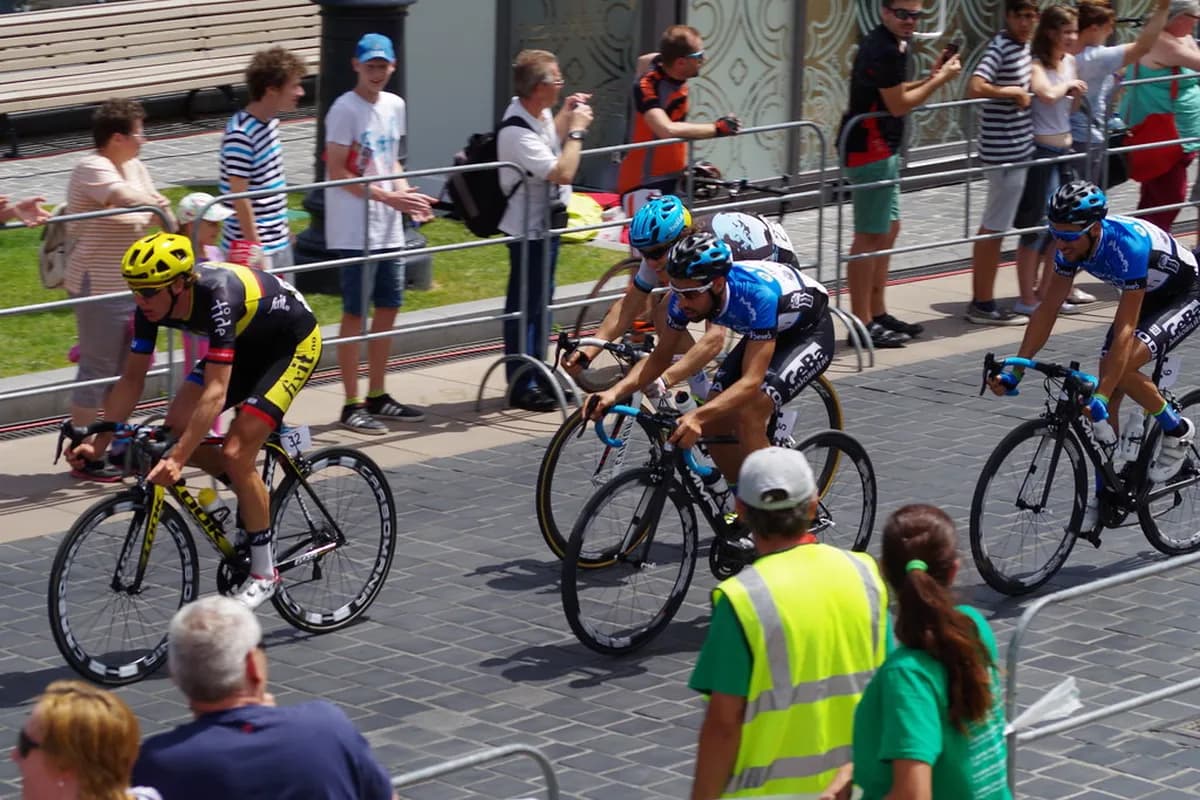
Budapest cycling tours have become one of the city's most popular ways to cover a lot of ground quickly. Riders pedal past landmarks that can take hours to reach on foot, from the Danube promenade to Buda Castle. The question most travelers ask is whether joining an organised tour adds genuine value or just adds cost. Our verdict below breaks down the routes, the pricing, and exactly who comes away happy.
⚡ Tour Verdict quick take: Are Budapest cycling tours worth booking in 2026? We review routes, what's included, pricing, and who each tour suits best. Read before you book.
The city's layout makes it surprisingly well-suited to cycling, with flat riverside paths on both banks of the Danube. Most group tours combine the Pest riverfront, Margaret Island, and one or two hilltop viewpoints into a single three-hour loop. E-bike upgrades are now widely available, which has opened these tours to riders who would once have skipped the hills entirely.
Last updated June 2026.
Free: The Budapest Essentials guide
Top things to do, where to stay, a perfect day plan, getting around, and the best time to go — a Budapest mini-guide you can take offline.
What Budapest Cycling Tours Cover
Most Budapest cycling tours follow a core circuit that links the city's biggest visual draws in under four hours. The route typically starts near the Chain Bridge, heads north along the Pest embankment, and crosses onto Margaret Island. Margaret Island itself is a traffic-free oasis with thermal springs, ruins, and wide cycling lanes — a genuine highlight for most riders. From there, guides usually cross to the Buda side and climb toward the Castle District for a panoramic stop.
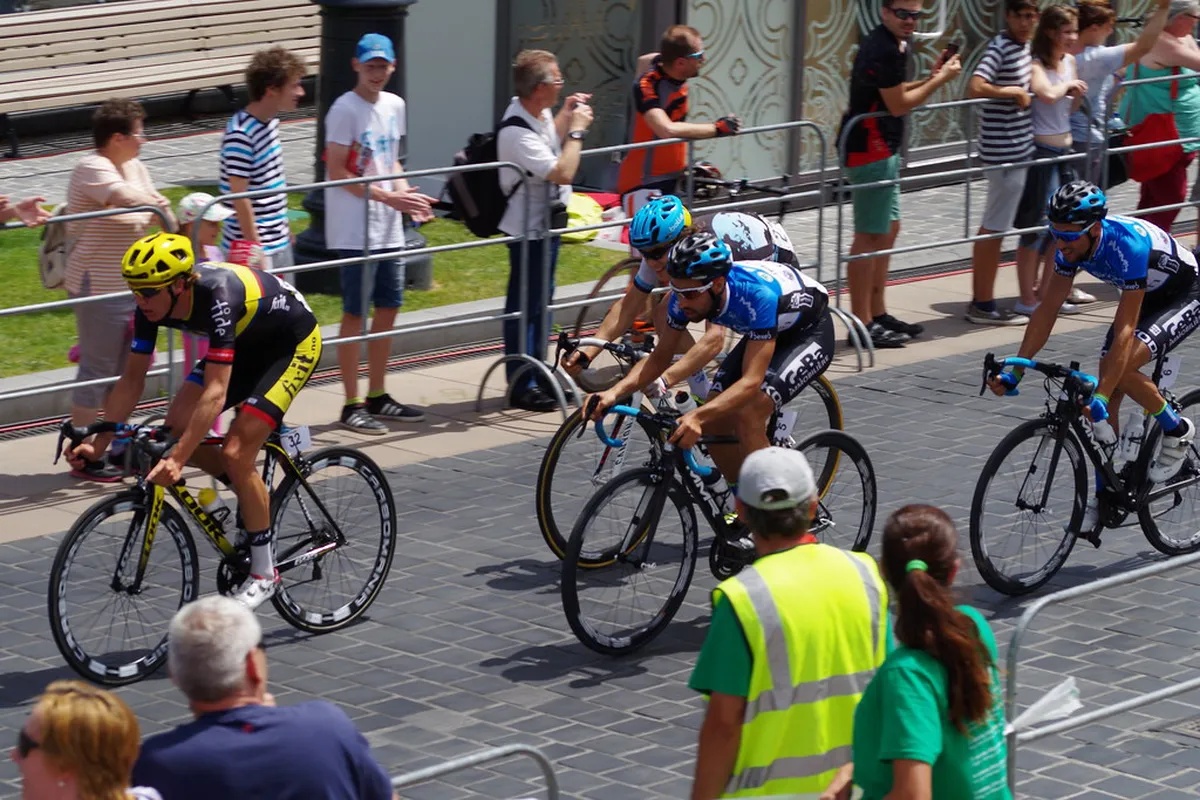
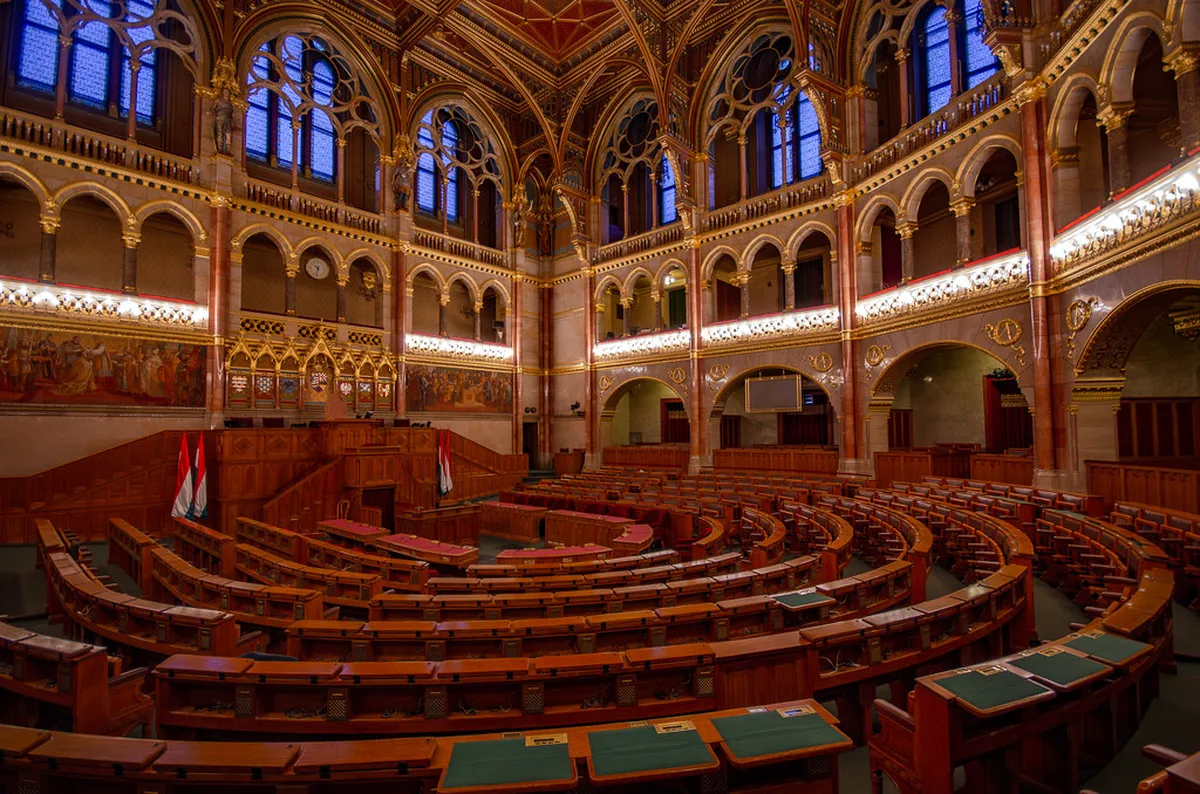
The Danube segment is the visual anchor of almost every Budapest bike tour on the market. Riders pass the Hungarian Parliament Building at close range, which many find more striking from the riverbank than from any viewpoint. Some operators extend the route south toward the Liberty Bridge and the Gellért thermal baths neighbourhood. That extension adds roughly 45 minutes and suits riders who want more of the city rather than a tighter loop.
Night cycling tours are a growing option and offer a completely different experience from the daytime route. The Parliament and the Chain Bridge are illuminated after dark, and the crowds along the riverfront thin out considerably. Night tours generally cover a slightly shorter distance and suit travelers who prefer a leisurely pace over maximum coverage.
- Chain Bridge and Pest Embankment
- Starting point for most group tours departing from the city centre.
- Riders get an unobstructed view of the Parliament from river level.
- Margaret Island Loop
- A traffic-free island connected by two bridges, ideal for cycling.
- Stops typically include the medieval ruins, fountain, and rose garden.
- Buda Castle District
- A short uphill climb rewards riders with sweeping views over Pest.
- Most guides offer background on royal history and the 1686 siege.
- Danube Riverbank South Extension
- Optional add-on covering the Liberty Bridge and Gellért neighbourhood.
- Adds roughly 45 minutes and about 5 kilometres to the base route.
What's Included and What to Expect
Standard group tours include a hybrid or city bike, a helmet, and an English-speaking guide for the full duration. Group sizes typically run between 8 and 15 riders, which keeps the pace manageable and allows for questions at each stop. Guides at reputable operators hold Hungarian history degrees or certified tour-guide licences, which noticeably improves the narrative quality. Water stops are built into the itinerary, though most operators do not include snacks or meals in the base price.
E-bike upgrades cost an additional 10 to 15 euros on most tours and are worth serious consideration for the Castle hill sections. The Buda hills are not steep by mountain standards, but they can feel tiring mid-tour on a standard city bike. Riders who have not cycled regularly in the past six months will find an e-bike transforms the hill segments from a chore into a comfortable glide. Most operators carry a small number of e-bikes, so book that upgrade in advance rather than assuming availability on the day.
Private cycling tours typically include a custom route, flexible pacing, and stops tailored to your specific interests. Families with younger children often benefit from private bookings because the guide can slow the pace without holding back a group. If you have a taste for more active Budapest adventures, pairing a cycling tour with a kayak or hiking experience is a popular combination among repeat visitors.
2026 Pricing and Booking Tips
Group cycling tours in Budapest typically cost between 30 and 50 euros per person in 2026 for a three-hour session. Private tours for two people generally start around 90 to 120 euros total, making them more competitive than they first appear on a per-head basis. Night tours are priced similarly to daytime group options, though some operators charge a small premium for the after-dark logistics. Always verify the current price on the operator's booking page, as rates can shift with currency fluctuations and seasonal demand.
Booking at least 48 hours in advance is strongly recommended during spring and summer, when tours sell out several days ahead. The peak window runs from late April through September, with July and August seeing the highest demand from international visitors. Most reputable operators offer free cancellation up to 24 hours before departure, which provides reasonable flexibility for weather-dependent plans. Off-season tours from November through February run less frequently but often offer better value and smaller group sizes.
GetYourGuide and Viator are the two most widely used booking platforms for Budapest cycling tours, with verified reviews and straightforward cancellation. Booking directly through the operator's own website occasionally unlocks a small discount, and it cuts out the platform commission. For travelers combining cycling with food or wine experiences, a Budapest wine tour pairs well as an evening follow-up to a daytime cycle.
Who Budapest Cycling Tours Suit Best
Cycling tours work best for travelers who want to see a wide spread of the city without committing to long walks or multiple tram connections. Riders with a moderate fitness level and some comfort on a bike will cover the standard route without difficulty. First-time visitors to Budapest find the tour format especially useful because the guide provides historical context that a solo ride simply cannot replicate. Repeat visitors who have already done the main museums often book a cycling tour specifically for Margaret Island, which many miss on their first trip.
Families with children aged ten and above generally manage the group tours well, particularly on the flat Margaret Island section. Younger children are better served by private bookings, where the guide can adjust pace and skip sections that lose a child's attention quickly. Solo travelers are a strong fit for group tours because the format naturally creates a social dynamic with other participants. Couples looking for a shared activity find cycling tours a solid alternative to the classic Budapest walking tours, especially in warmer months.
Riders who have not been on a bike for several years should request a quick orientation lap at the start, which most guides are happy to provide. Anyone with knee or back concerns should consider the e-bike upgrade from the outset rather than assessing midway through the route. The tours are not recommended for travelers with significant mobility limitations, as even the flat riverside path involves some uneven cobblestone sections near the Castle District.
Our Verdict: Worth It or Skip?
Budapest cycling tours deliver strong value for most traveler types, particularly when measured against the time saved versus self-navigation. In three hours, a guided group covers roughly 20 to 25 kilometres and visits six to eight named landmarks with historical commentary at each stop. A solo rider with a rental bike could cover the same ground, but would sacrifice the narrative layer that makes the Parliament and Castle District genuinely legible. For first-time visitors, the guide context alone justifies the price premium over a rental.
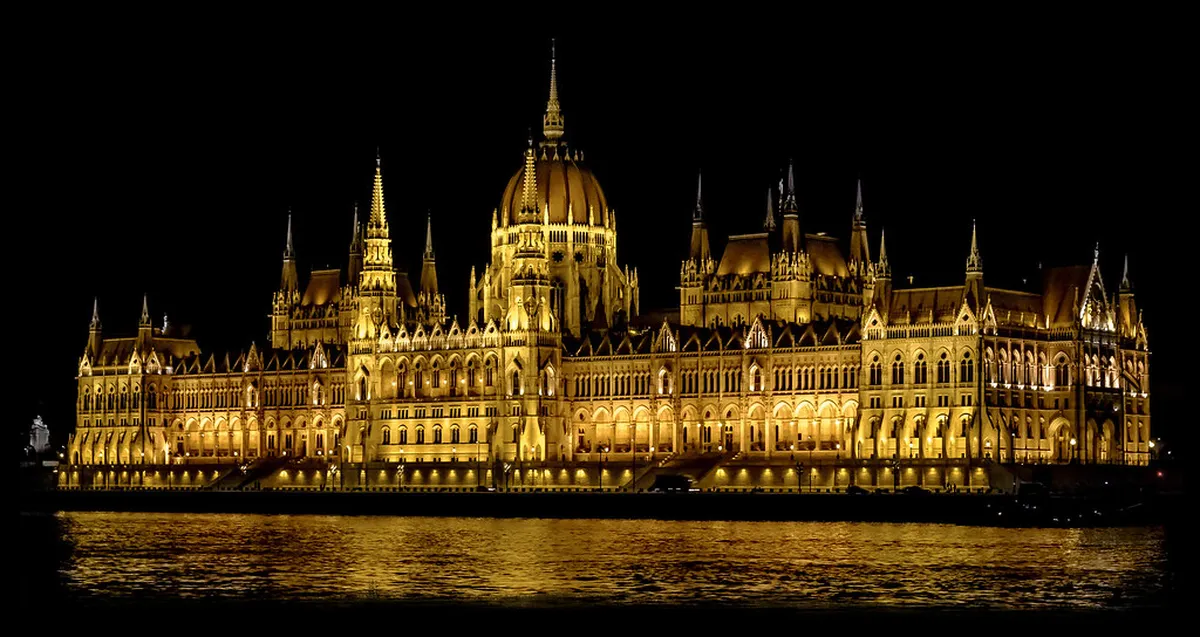
The one scenario where we would suggest skipping a standard group tour is if your travel group has widely different fitness levels or cycling confidence. In that case, a private tour or a simple bike rental with a downloaded audio guide offers better flexibility for the same core route. Travelers who have already explored Budapest on a previous trip may find the fixed itinerary too familiar, and would gain more from a day trip outside Budapest instead. Night tours, by contrast, are worth booking regardless of experience level — the illuminated riverfront is a genuinely different visual from the daytime version.
Our overall rating: cycling tours are among the most efficient ways to orient yourself in Budapest on day one or two of a visit. The e-bike option has removed the main obstacle that previously made these tours unsuitable for casual riders. Book a group tour for the social format and the value, or go private if pace and flexibility matter more than price. Either way, the Danube riverfront on two wheels remains one of the better ways to understand this city's geography from the ground up.
What to Bring on a Budapest Cycling Tour
Helmets are provided by every reputable operator, but a thin buff or cap worn underneath keeps things more comfortable in colder months. Layers work better than a single heavy jacket, since body temperature swings noticeably between the flat riverside stretch and any uphill push toward the Castle District. Closed-toe shoes are a practical requirement — sandals make pedalling awkward and most operators will flag this at check-in.
Sunscreen and sunglasses matter more than most riders expect: the Danube embankment has very little shade in summer, and a three-hour ride in July sun is longer than it sounds. A small day pack or cross-body bag is useful for a water bottle and any items you want to buy along the route, since the bikes do not have built-in storage. Leave large wheeled luggage at your accommodation — there is no practical place to secure it at meeting points, which are typically street-side near the Chain Bridge or Vigadó Square.
Bring your booking confirmation on your phone rather than printed; most guides check digitally and the meeting points have no shelter to lay out documents. If you book an e-bike upgrade, confirm it at least 24 hours ahead by messaging the operator directly — stock is limited and advance verbal confirmation is more reliable than relying solely on the booking platform note.
| Tour Type | 2026 Price | Duration | Distance | What's Included | Best For |
|---|---|---|---|---|---|
| Group (daytime) | €30–50 per person | 3 hours | ~20–25 km | Bike, helmet, English-speaking guide | First-time visitors; solo travelers; social format |
| Private tour | €90–120 total (two people) | Flexible | — | Custom route, flexible pacing, tailored stops | Families with young children; couples prioritising flexibility |
| Night tour | Similar to group daytime | Shorter than daytime | — | Bike, helmet, guide; illuminated riverfront route | Any experience level; repeat visitors; second-night activity |
| Self-guided rental | ~€10–20 per day | Own pace | — | Bike only; no guide or commentary | Experienced cyclists; budget travelers; repeat visitors |
Frequently Asked Questions
How long do Budapest cycling tours usually last?
Most group Budapest cycling tours run between two and a half and three hours, covering roughly 20 kilometres. Private tours can be adjusted to fit your schedule, with some operators offering shorter 90-minute highlight rides or extended four-hour versions that include more of the Buda hills and outer districts.
Do I need to be a confident cyclist to join a Budapest bike tour?
No strong cycling background is needed for the standard riverside route, which is largely flat. The Castle District section involves a short hill climb, and most operators offer e-bike upgrades for that segment. Guides are experienced at keeping groups together regardless of mixed fitness levels within the group.
Are Budapest cycling tours suitable for families with kids?
Children aged ten and above typically manage the group tour format well on the flat Margaret Island and riverside sections. For younger children, a private booking is a better fit, allowing the guide to pace the ride around shorter attention spans. Check with the operator about minimum age requirements before booking, as these vary.
What is the best time of year for a Budapest cycling tour?
Late April through June and September offer the most comfortable cycling weather, with mild temperatures and manageable tourist numbers. July and August work well but require early booking since tours sell out quickly in peak summer. Budapest food tours are a popular pairing with an evening cycling session in this window.
Can I do a self-guided cycling tour in Budapest instead?
Self-guided rides are absolutely possible using Budapest's rental bike network and the well-marked riverside cycling path. The trade-off is that you lose the historical commentary that brings landmarks like the Parliament and Buda Castle to life. Renting a bike runs roughly 10 to 20 euros per day, significantly cheaper than a guided group tour.
Budapest cycling tours offer one of the most efficient introductions to a city that genuinely rewards being seen at street level. The combination of flat riverside paths, a traffic-free island, and a compact castle district makes the format work far better here than in hillier European capitals. Whether you book a group tour for the social element or go private for the flexibility, the Danube route consistently earns its keep as a day-one activity.
Add an e-bike upgrade if you have any doubts about the hill sections, and book at least 48 hours ahead during spring and summer. Night tours are worth a separate booking if you are spending more than two nights in the city — the illuminated Parliament from the river is a different experience entirely. For travelers planning a broader itinerary, pairing a morning cycling tour with the best day trips from Budapest makes strong use of your time across a three or four day visit.
Free: The Budapest Essentials guide
Top things to do, where to stay, a perfect day plan, getting around, and the best time to go — a Budapest mini-guide you can take offline.
Plan the next decision
Continue reading
More independent guides you'll find useful