Budapest Walking Tours: Free, Paid & Worth It
Comparing Budapest walking tours — free vs. paid, Castle District, Jewish Quarter, and communism routes. Find out which tour is worth booking in 2026.

On this page
Budapest Walking Tours: What's Worth Your Time in 2026
Budapest is one of Europe's most walkable capitals, and a good walking tour can turn a confusing jumble of monuments into a coherent story. The city has dozens of tour operators running routes through the Castle District, the Jewish Quarter, and the old communist neighborhoods — and the quality gap between them is wide. Before booking, it helps to understand how these tours are structured, what each neighborhood actually offers, and where the free-tour model genuinely delivers versus where a paid guide earns the price.
⚡ Tour Verdict quick take: Comparing Budapest walking tours — free vs. paid, Castle District, Jewish Quarter, and communism routes. Find out which tour is worth booking in 2026.
This guide covers the main walking-tour categories in Budapest, the trade-offs between free and paid options, and a framework for choosing the right route for your itinerary. We focus on worth-it verdicts and honest trade-offs rather than a list of names — because the right tour depends heavily on what you already know and how much time you have.
Last updated June 2026.
Free: The Budapest Essentials guide
Top things to do, where to stay, a perfect day plan, getting around, and the best time to go — a Budapest mini-guide you can take offline.
Free vs. Paid Budapest Walking Tours
Free walking tours in Budapest run on a tip-based model — no upfront payment, and the guide earns based on how the group rates the experience. That structure creates real incentive for guides to perform well, and the best free-tour guides in Budapest are genuinely excellent storytellers. Groups tend to be larger, often 15 to 25 people, which can make it harder to hear the guide at busy intersections or crowded squares.
Paid tours typically run with smaller groups — usually 6 to 15 people — and cover more ground in the same time because the guide isn't working to keep a crowd together. The fixed-price structure also filters the audience: people who pay in advance tend to be more engaged, which makes for better group dynamics. Expect to pay roughly 20 to 35 euros for a quality paid walking tour in Budapest; private tours run higher, often 60 to 100 euros for two to four people.
Our read: free tours are a strong choice if you're visiting Budapest on a tight budget or want a low-commitment orientation on your first day. For specific themes — Jewish history, communism, or a deep-dive into one neighborhood — a paid specialist tour almost always offers more depth and a better guide-to-guest ratio. Check the Budapest free walking tour guide for a breakdown of the main free-tour operators and how to tip well without overpaying.
- Free Walking Tours
- Payment model is tip-only at the end of the tour.
- Groups are usually large, between 15 and 25 participants.
- Routes cover central highlights and work well as a city orientation.
- Quality varies by guide, so check recent reviews before joining.
- Paid Group Walking Tours
- Fixed price typically ranges from 20 to 35 euros per person.
- Smaller groups allow for better questions and closer interaction.
- Specialist themes like Jewish history or communism are common.
- Booking in advance is usually required, especially in peak season.
- Private Walking Tours
- Cost ranges from roughly 60 to 100 euros for a small group.
- Itinerary can be customized around your specific interests.
- Best for families, couples, or travelers with limited time.
- Guides can move at your pace and answer detailed questions freely.
Castle District Walking Tours
The Castle District sits on a limestone hill above the Danube and holds the densest concentration of historical architecture in the city. A walking tour here covers Buda Castle, Fisherman's Bastion, Matthias Church, and the old medieval street grid — most of it within a compact area that takes two to three hours on foot. The neighborhood is entirely pedestrianized, so guides can move freely without fighting traffic, which tends to make Castle District tours smoother than those on the Pest side.
Morning tours here work better than afternoon ones because the light is softer for photos and the crowds at Fisherman's Bastion haven't peaked yet. By midday in summer, the main viewpoints can be genuinely packed, and a guide trying to explain Matthias Church in a scrum of tourists loses a lot of the storytelling value. If you book an afternoon slot, ask the operator whether they have a strategy for navigating peak crowds at the busiest spots.
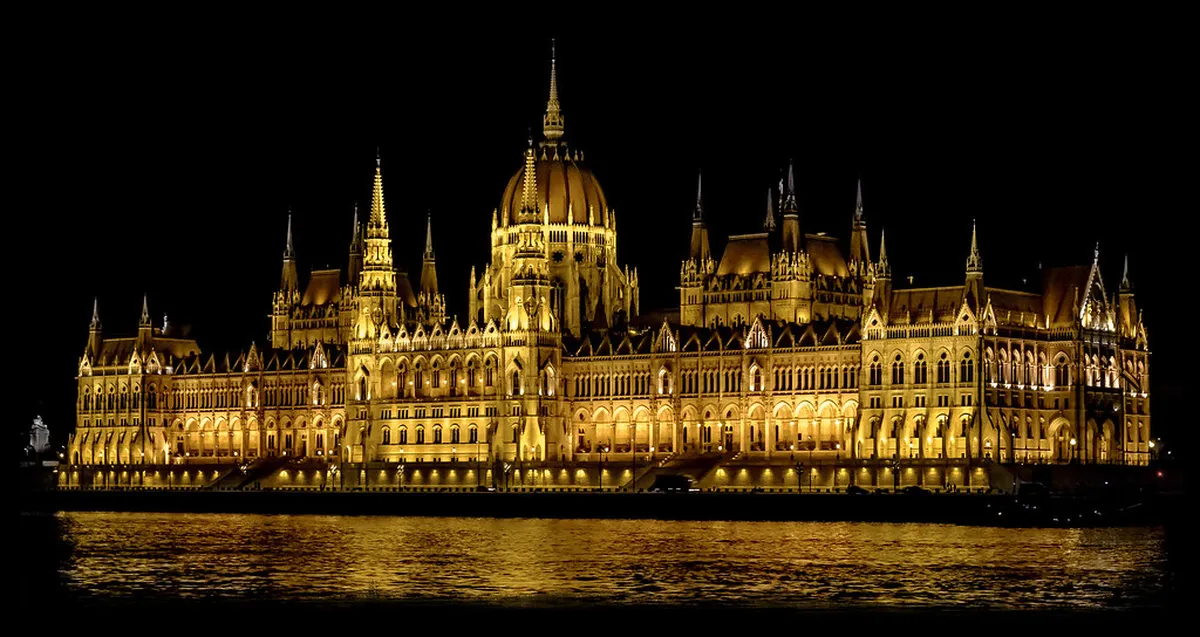
Most Castle District tours include the view over the Parliament building and across the river to Pest, which is often the photo moment visitors remember most. The better tours also explain why the district looks so new despite its medieval origins — the Castle area was heavily bombed in World War II and rebuilt throughout the postwar decades. That backstory is easy to miss if you're just walking on your own, and a good guide makes it the lens through which the whole neighborhood makes sense.
Jewish Quarter Walking Tours
Budapest's Jewish Quarter is the largest surviving Jewish district in Central Europe and one of the most layered neighborhoods in the city. A walking tour here moves between the Great Synagogue on Dohány Street — the largest in Europe — Holocaust memorials, prewar apartment courtyards, and the ruin-bar scene that grew out of abandoned buildings in the 1990s and 2000s. That combination of grief and reinvention is unusual, and guides who understand both threads make these tours deeply affecting rather than just informative.
The Great Synagogue requires a separate entrance fee even when you're on a guided tour, so factor that into your planning — a combined tour-plus-entry package can be better value than buying both separately. Some evening tours of the Jewish Quarter pair the historical route with a stop at one of the ruin bars, which works well as a contrast to the heavier daytime material. If you're interested in pairing this with a broader Budapest Budapest food tour, the Jewish Quarter has a dense cluster of Hungarian-Jewish food spots that some operators fold into their routes.
One thing many visitors don't expect: the Jewish Quarter tour often covers sites that are easy to miss because they're inside buildings or tucked into back courtyards. A guide who knows the area will take you into the Kazinczy Street Synagogue, the Tree of Life memorial behind the Great Synagogue, and the glass-roofed Emanuel Foundation cemetery — all of which require knowing where to look. Walking this neighborhood solo is possible, but you'll miss about half of what makes it remarkable.
Communism and Cold War History Tours
Budapest's communist-era history is not just about statues in a park — it's woven into the architecture, the street grid, and the everyday fabric of the city. Communism walking tours here typically cover the old State Security headquarters, the area around the Terror House museum on Andrássy Avenue, and Soviet-era housing blocks on the outer ring. The best guides on this route lived through part of the period themselves or have researched it deeply enough that the stories feel grounded rather than textbook.
A common addition to these tours is a visit to Memento Park, where the remaining Soviet-era statues were relocated after 1989. Memento Park is on the outskirts of the city and requires a separate bus ride, so many walking tours keep the route within the city center and suggest visiting the park independently. If you want to combine both, look for operators who run a half-day combined tour — it usually runs around four to five hours and covers both the urban route and the park.
Communism tours tend to attract a more historically curious crowd, and the group dynamic is usually better than general orientation tours. Private versions of this tour are worth considering if you have specific questions — guides on these routes often have family connections to the period and will share personal accounts that don't make it into the standard group script. If Cold War history is your main interest in Budapest, this is the tour category where the paid option most clearly outperforms the free alternative.
How to Choose the Right Tour
Most visitors to Budapest have two to three days in the city, which is enough time for two walking tours if you plan the neighborhoods strategically. A sensible pairing is a Castle District tour on arrival day for orientation, followed by a Jewish Quarter or communism tour on day two when you have enough context to appreciate the detail. Trying to do three different walking tours in three days tends to produce diminishing returns — the pace is tiring and the material starts to blur.
Budget travelers who want to see everything should start with a free tour of central Pest on their first morning to get the layout, then pay for one specialist tour in their area of strongest interest. That combination costs roughly 20 to 30 euros all-in and delivers most of the informational value of a full tour programme. For a longer Budapest stay, consider pairing a walking tour with one of the day trips from Budapest on the days when you want to get out of the city entirely.
Group size is the factor most visitors underestimate when booking. A tour capped at 10 people in the Jewish Quarter feels intimate and educational; the same route with 25 people in summer heat becomes physically difficult to follow. Check operator websites for stated group caps, and treat any tour that doesn't mention a cap as likely to be large.
Practical Tips for Budapest Walking Tours
Budapest's cobblestone streets — particularly in the Castle District and the Jewish Quarter — are genuinely uneven, and comfortable shoes matter more here than in most European capitals. Flat-soled shoes without ankle support can become painful over two to three hours on uneven stone, especially if the tour runs uphill through the Buda side. Wear footwear you'd walk five miles in, not what looks best for photos.

Summer tours, especially those running between June and August, often start at 9 or 10 AM to avoid the worst midday heat. If you're booking in July or August, morning slots are not just preferable — they're often meaningfully more comfortable, particularly on the exposed hilltop areas of the Castle District. Bring water, a hat, and sunscreen regardless of what the morning forecast says; the heat builds quickly as the city warms up.
Tipping etiquette for free tours in Budapest follows the Central European norm: 5 to 10 euros per person is considered reasonable, and 15 euros signals genuine appreciation. Don't let other group members set your reference point — some travelers tip very little, and guides notice. For paid tours, tipping is not expected but always appreciated; 5 euros for a strong two-hour tour is a fair gesture. Book at least 48 hours in advance during high season — the best-reviewed tours in the Jewish Quarter and Castle District fill quickly from late April through September.
Where Tours Meet and How to Get There
Meeting-point logistics are the one practical detail most tour descriptions bury in the small print. Castle District tours almost always depart from the Fisherman's Bastion (Halászbástya) side of the hilltop, which you reach either by funicular from Clark Ádám Square — tickets around 1,400 HUF one-way in 2026 — or by walking up the Várkert Bazár staircase from the Buda riverbank (free, about 15 minutes from the Chain Bridge). The funicular is faster but queues build after 10 AM in summer; budget an extra 20 minutes if you're arriving at a peak slot.
Jewish Quarter tours typically depart from outside the Great Synagogue on Dohány Street (Dohány utca 2), which is straightforward to reach: metro line M2 to Astoria, then a three-minute walk east. Free-tour operators running Pest-wide orientations usually meet at Vörösmarty Square (M1 metro, Vörösmarty tér stop) or in front of St. Stephen's Basilica. Confirm your specific operator's meeting point when you book — some use secondary entrance points that are easy to miss on a first visit.
For communism routes centered on Andrássy Avenue, the standard start is near the Terror House museum at Andrássy út 60, reachable on metro line M1 (Vörösmarty utca stop, one stop from Oktogon). Memento Park day-trip departures run from Deák Ferenc tér by bus; journey time is about 30 minutes each way.
| Tour Type | 2026 Cost | Group Size | Duration | Best For | Verdict |
|---|---|---|---|---|---|
| Free Walking Tour | Tip only (€5–€15 per person) | 15–25 people | 2–3 hours | Budget travelers; first-day orientation | Strong choice on a tight budget or as a low-commitment city overview |
| Paid Group Tour | €20–€35 per person | 6–15 people | 2–3 hours | Specific themes: Jewish history, communism | More depth and better guide-to-guest ratio than free tours for specialist routes |
| Private Tour | €60–€100 for 2–4 people | 2–4 people | Customizable | Families, couples, travelers with limited time | Best when you have specific questions or need to move at your own pace |
| Half-Day Communism + Memento Park | — | — | 4–5 hours | Cold War history enthusiasts | Worth considering if Memento Park is a priority; private version adds personal accounts not in standard script |
Frequently Asked Questions
Are free walking tours in Budapest worth it?
Free walking tours in Budapest are genuinely worth trying, especially as a first-day orientation. The tip-based model motivates guides to perform, and quality can be high. The main trade-off is group size: with 15 to 25 people, the experience is less intimate than a paid small-group tour. Check the Budapest free walking tour guide for operator comparisons.
How long do Budapest walking tours typically last?
Most Budapest walking tours run between two and three hours. Specialist routes covering the Jewish Quarter or communist history sometimes extend to three and a half hours. Private tours can be customized to any length. Morning departures around 9 to 10 AM are common, and most tours end before lunch, leaving the afternoon free.
What is the best neighborhood for a walking tour in Budapest?
The Castle District is the most visually dramatic route and works well for first-time visitors. The Jewish Quarter is the most historically layered and often rated the most memorable by repeat visitors. If you have time for only one, the Jewish Quarter tends to offer more depth per hour — but Castle District views are hard to beat on a clear day.
Do Budapest walking tours cover both Buda and Pest?
Most standard tours focus on one side of the river. Castle District tours stay in Buda; Jewish Quarter and communism tours stay in Pest. Some half-day tours cross the Chain Bridge to connect both, but crossing adds walking time and most operators prefer thematic depth over geographic coverage. Check the tour description to confirm which areas are included.
When is the best time of year to take a walking tour in Budapest?
April through June and September through October offer the best conditions for walking tours in Budapest — mild temperatures, manageable crowds, and long daylight hours. July and August are peak season with heat and larger tourist numbers. Winter tours run in December and can be atmospheric, especially near the Christmas markets on Vörösmarty Square.
Budapest rewards walkers who take the time to learn what they're looking at, and a well-chosen tour is still the most efficient way to build that understanding. The Castle District and Jewish Quarter are the two routes that consistently deliver the most value — one for the views and architecture, the other for the historical and cultural depth. Communism tours are the strongest choice for travelers who want a perspective most tourists miss entirely.
Free tours work well for orientation and budget travelers; paid specialist tours deliver more when you have a clear area of interest. Whichever route you choose, book in advance during high season and go in the morning when you can. For travelers who want to combine a walking tour with something more active, the Budapest cycling tours page covers how to pair both approaches across a two-day visit.
Free: The Budapest Essentials guide
Top things to do, where to stay, a perfect day plan, getting around, and the best time to go — a Budapest mini-guide you can take offline.
Plan the next decision
Continue reading
More independent guides you'll find useful