Budapest Cooking Class: Is It Worth It in 2026?
Considering a Budapest cooking class? We review prices, what's included, and whether it's worth booking in 2026. Find the right class for your trip.

On this page
Budapest Cooking Class: Our Honest Verdict for 2026
A Budapest cooking class combines two of the city's greatest strengths: its vibrant food market culture and its deeply flavored, paprika-driven cuisine. Most classes run three to four hours and take you from the stalls of the Great Market Hall straight to a kitchen where you cook goulash, lángos, or stuffed peppers from scratch. We looked at dozens of options to give you a clear picture of what to expect, what it costs, and whether it genuinely earns a place on your Budapest itinerary.
Last updated June 2026.
⚡ Tour Verdict quick take: Considering a Budapest cooking class? We review prices, what's included, and whether it's worth booking in 2026. Find the right class for your trip.
Free: The Budapest Essentials guide
Top things to do, where to stay, a perfect day plan, getting around, and the best time to go — a Budapest mini-guide you can take offline.
What a Budapest Cooking Class Includes
Nearly every well-rated Budapest cooking class follows a similar arc: a guided walk through the Great Market Hall, followed by hands-on cooking in a private kitchen. During the market segment, your instructor points out key Hungarian ingredients — paprika varieties, mangalica pork, fresh dill, and seasonal vegetables. You typically taste a few items at the market before heading to the kitchen to start cooking.
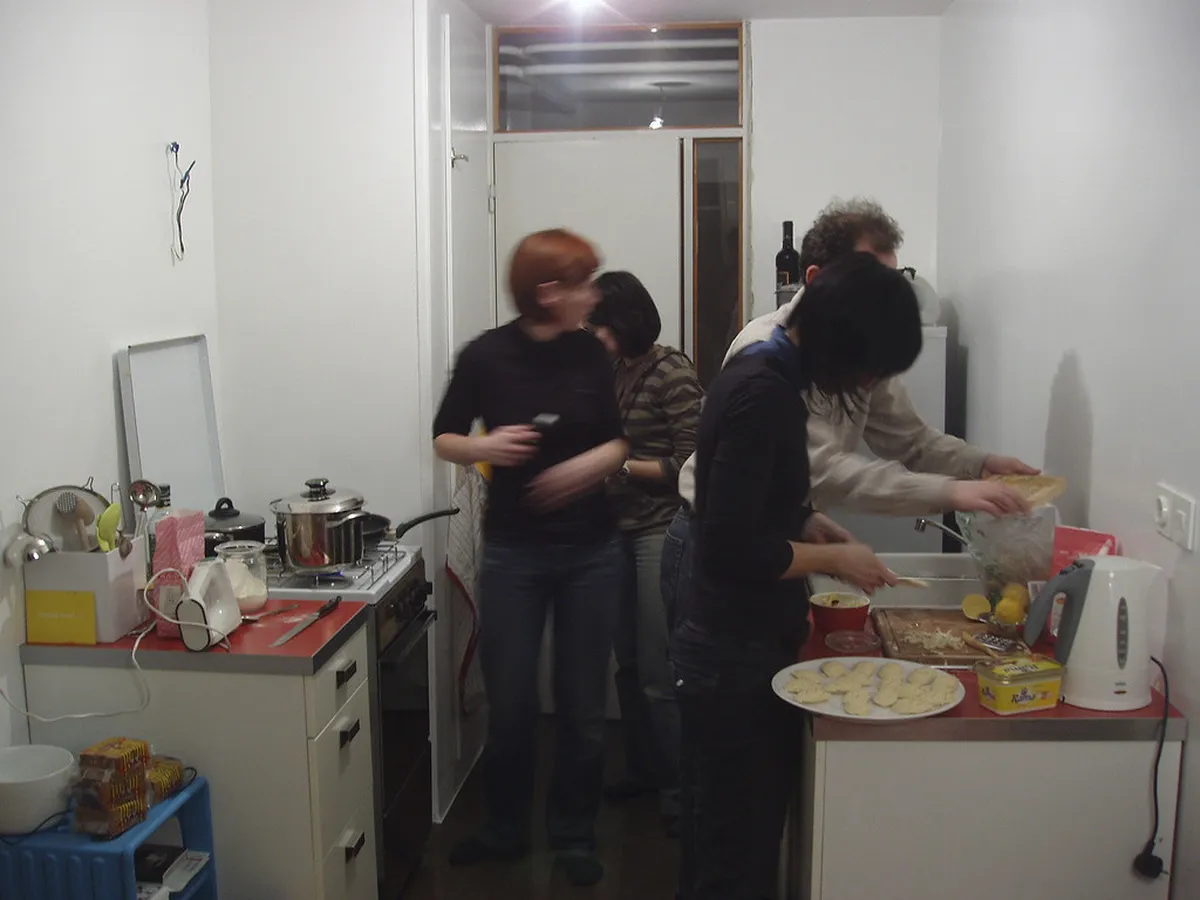
The cooking portion usually covers two or three dishes, with goulash appearing on almost every menu. Other common recipes include chicken paprikash, lángos (deep-fried flatbread), and túrós gombóc (cottage cheese dumplings). Most classes finish with a sit-down meal where you eat what you prepared, often with a glass of Hungarian wine or pálinka included.
The typical class size runs from six to twelve participants, which keeps things interactive without becoming chaotic. Solo travelers often find this a natural way to meet other visitors, while couples and small groups get a more sociable evening than a standard restaurant dinner. Vegetarian adaptations are available through most providers, though it is worth flagging dietary needs when booking rather than on the day.
- Great Market Hall guided walk
- Instructors highlight paprika grades, mangalica products, and seasonal local produce.
- The tasting segment at market stalls usually lasts around 30 to 45 minutes before cooking begins.
- Hands-on cooking session
- You cook two to three dishes, with goulash featuring on nearly every menu.
- Recipes are explained step by step so complete beginners keep up without difficulty.
- Sit-down meal with drinks
- Most classes end with a shared meal of what you cooked, paired with Hungarian wine or pálinka.
- The meal is included in the class fee, so there are no hidden extras at the table.
- Recipe cards to take home
- Providers typically send a digital recipe pack so you can recreate dishes after your trip.
- Some classes also supply a small spice pack with local paprika to use at home.
2026 Prices and What You Get for Your Money
Budapest cooking class prices in 2026 generally fall into three bands, and the gap between them reflects real differences in experience rather than just branding. Budget classes (roughly €40 to €55 per person) focus on cooking only, skip the market tour, and run in larger groups of up to fifteen people. They are a reasonable entry point for travelers who want to learn one or two recipes without a half-day commitment.
Mid-range classes (€60 to €85 per person) are the most common format and the sweet spot for most travelers. This tier typically includes the market walk, a three-dish menu, the sit-down meal with wine, and a group cap of eight to ten people. The smaller group size noticeably improves the hands-on time you get with the instructor.
Premium classes (€90 and above) often feature a private or semi-private setting, a chef with professional credentials, and a longer itinerary covering four or five dishes. Some add a wine-pairing element or a visit to a specialty deli on top of the Great Market Hall. For food-focused travelers or special occasions, the step up in quality is often worth the extra spend.
Who Gets the Most From a Cooking Class
Budapest cooking classes suit a wide range of travel styles, but they tend to land best with a specific kind of visitor. Food-curious travelers who want more than a restaurant meal — people who enjoy knowing how a dish is built and why certain ingredients matter — consistently rate these classes as a highlight. Beginners make up the majority of participants, and every class we reviewed was explicitly designed for home cooks, not aspiring chefs.

Couples often cite the market walk as an unexpectedly enjoyable part of the class, turning a morning or afternoon into something more structured than wandering alone. Solo travelers benefit from the built-in social format: sharing a kitchen with five or six strangers for three hours tends to generate easy conversation. For Budapest food tours that go deeper into the city's culinary districts, a cooking class pairs well as a follow-up activity rather than a substitute.
Families with children over ten generally handle the format well, especially classes that keep the knife work minimal and let kids take an active role. Travelers on a tight schedule — one full day in the city, for example — may find a half-day class eats too much time given Budapest's other major draws. If your priority is covering the Budapest walking tour circuit and the thermal baths, the cooking class is better saved for a second visit or a longer trip.
Our Honest Worth-It Verdict
Our verdict: a Budapest cooking class is worth booking for most food-interested visitors, but the format matters more than the price point. The combination of a market tour and hands-on cooking is genuinely rare — Prague and Vienna offer similar classes, but neither pairs the market experience with the same depth of local flavor. Hungarian cuisine's reliance on paprika, lard, and slow-cooked techniques gives you something meaningfully different from the herb-and-olive-oil cuisines common in Southern European cooking classes.
The mid-range tier (€60 to €85) delivers the clearest value: small group, market walk, full meal, and enough time in the kitchen to actually learn something. Budget classes are fine for travelers who just want a recipe or two, but the lack of a market visit removes one of the most distinctive elements of the Budapest experience. Premium classes earn their price for honeymooners, food enthusiasts, or small groups who want a private setting — but the jump from mid-range to premium is not necessary for most travelers.
One trade-off worth naming: cooking classes run on a fixed schedule, so a cancelled morning or a delayed flight can disrupt your booking. Most providers require 24 to 48 hours' notice for cancellations without a penalty, so read the terms carefully before paying. Overall, we rate a Budapest cooking class as one of the stronger activity investments in the city — more interactive than a food tour alone, and more culturally grounded than most half-day options.
Tips for Booking the Best Class in Budapest
Book at least three days in advance, especially for summer visits between June and September when popular classes fill up quickly. Most platforms allow last-minute bookings, but the best-reviewed mid-range classes tend to sell out first. Checking availability early also gives you more choice over morning versus afternoon slots.

Always confirm the group size cap before paying — some providers advertise small groups but run classes of fifteen or more during peak season. A cap of eight to ten participants is the threshold where hands-on time stays meaningful rather than turning into a demonstration you watch from the back. Dietary needs should be flagged at booking, not on arrival, so the instructor can plan ingredient substitutions properly.
Combining a cooking class with one of the best day trips from Budapest makes for a well-rounded itinerary — cook on day one, explore the countryside on day two. If your schedule is tighter, pairing the class with a Budapest wine tour on the same day works well since both run comfortably within an afternoon and evening window. Either way, arrive at the market meeting point a few minutes early: the market walk moves at a brisk pace and the group usually sets off on time.
| Tier | Price per person (2026) | Duration | Group size | What is included |
|---|---|---|---|---|
| Budget | €40 to €55 | — | Up to fifteen | Cooking session only; one or two recipes; no market tour |
| Mid-range | €60 to €85 | Three to four hours | Eight to ten | Great Market Hall walk, three-dish menu, sit-down meal with wine |
| Premium | €90 and above | Up to five hours | Private or semi-private | Professional chef, four to five dishes, wine-pairing option, specialty deli visit |
Frequently Asked Questions
How long does a Budapest cooking class take?
Most Budapest cooking classes run between three and four hours in total. This includes the market walk (around 45 minutes), the hands-on cooking session (roughly 90 minutes), and the sit-down meal at the end. A handful of premium classes extend to five hours with a wider menu or additional market stops.
Do I need cooking experience to join a Budapest cooking class?
No prior experience is needed. Every class we reviewed is designed for home cooks and beginners, with instructors guiding each step from knife skills to seasoning. The format is hands-on but relaxed, and the focus is on understanding Hungarian techniques rather than replicating professional kitchen speed.
What dishes will I cook in a Budapest cooking class?
Goulash appears on almost every Budapest cooking class menu, alongside chicken paprikash, lángos, and sometimes túrós gombóc (cottage cheese dumplings). The exact menu varies by provider and season, but paprika and slow-cooking techniques feature across nearly all options. Check the class description for the specific dishes before booking.
Are Budapest cooking classes worth it for solo travelers?
Yes — solo travelers consistently rate Budapest cooking classes highly for the social format. Small group sizes of six to ten people make conversation easy, and spending a few hours cooking together breaks the ice faster than most tour formats. It's one of the more enjoyable ways to meet other visitors in the city. Check out Budapest food tours for a complementary option that covers more ground across the city's neighborhoods.
How much does a Budapest cooking class cost in 2026?
Prices in 2026 typically range from €40 to €55 for budget classes (cooking only, larger groups) up to €90 or more for premium private sessions. The most common mid-range format — market walk, two to three dishes, sit-down meal with wine — runs between €60 and €85 per person. Always confirm what is included before booking to avoid surprises.
A Budapest cooking class delivers something most city activities cannot: a tangible skill you take home alongside the memory of the meal. The combination of the Great Market Hall and hands-on Hungarian cooking is genuinely distinctive, and the mid-range tier hits the right balance of depth and value for most travelers. Book early, flag any dietary needs upfront, and treat the market walk as part of the experience — not just the prelude to it.
If you are building out your Budapest itinerary beyond the cooking class, pairing it with a Budapest adventure tour or a cycling day gives the trip a good range of activity types. The cooking class works best as a half-day anchor around which you build the rest of your schedule rather than a standalone booking squeezed into an already-full day. Whatever tier you choose, the meal at the end — cooked by your own hands — tends to be the most memorable dinner of the trip.
Free: The Budapest Essentials guide
Top things to do, where to stay, a perfect day plan, getting around, and the best time to go — a Budapest mini-guide you can take offline.
Plan the next decision
Continue reading
More independent guides you'll find useful