Best Day Trips from Budapest in 2026
Discover the best day trips from Budapest in 2026. Compare tour vs. DIY costs, journey times, and worth-it verdicts for Szentendre, Eger, Vienna, and more.

On this page
Day Trips from Budapest: Top Picks and Tour Verdicts
Budapest sits at the centre of one of Central Europe's most rewarding day-trip networks. Within two hours you can be drinking Eger red wine, exploring a ruined hilltop castle, or strolling an 18th-century baroque riverfront. Knowing which destinations reward the effort — and whether a guided tour or a solo train ticket serves you better — can make the difference between a great day and a frustrating one. This guide gives you the honest verdict on the best day trips from Budapest, with 2026 cost benchmarks and practical transit details for each.
⚡ Tour Verdict quick take: Discover the best day trips from Budapest in 2026. Compare tour vs. DIY costs, journey times, and worth-it verdicts for Szentendre, Eger, Vienna, and more.
Last updated June 2026.
Free: The Budapest Essentials guide
Top things to do, where to stay, a perfect day plan, getting around, and the best time to go — a Budapest mini-guide you can take offline.
Top Day Trips from Budapest Worth Taking
Szentendre is the easiest half-day escape from Budapest, sitting just 25 kilometres north on the Danube. A suburban HÉV rail line runs directly there from Batthyány tér, with departures every 15–20 minutes and a journey time of roughly 40 minutes. Entry to the town itself is free, though the Serbian Orthodox Cathedral and the Open-Air Ethnographic Museum both charge small admission fees (around 1,000–2,500 HUF each). Most visitors pair a morning in Szentendre with an afternoon back in Budapest, making it the most time-efficient option on this list.
Visegrád rewards anyone willing to cross a medieval drawbridge. The Royal Palace ruins and Solomon's Tower sit above the Danube Bend and are accessible via a short bus from the ferry landing. A return boat-bus combination from Budapest typically costs around 4,000–5,500 HUF, with the hour-long Danube ferry leg adding real scenic value. Pairing Visegrád with Esztergom — Hungary's ecclesiastical capital — on a single Danube Bend loop is the classic way to fill a full day.
Eger is widely considered the standout full-day destination from Budapest. The journey takes roughly two hours by direct train from Keleti station, and return tickets are typically 5,000–7,000 HUF. The city delivers a compact baroque old town, a hillside castle with free outdoor access, and the Valley of the Beautiful Women — a short walk from the centre where wine cellars charge 300–800 HUF per tasting. Few Hungarian cities give you this range of history, wine, and architecture in a single day.
- Szentendre — art village on the Danube
- Journey time is about 40 minutes on the HÉV suburban rail from Batthyány tér.
- Return train fare costs roughly 900 HUF per person for the round trip.
- Best suited for a relaxed half-day with gallery-hopping and riverside cafés.
- Visegrád — castle ruins above the Danube Bend
- Combine a scenic Danube ferry one way with a return bus for around 4,000–5,500 HUF.
- The Royal Palace and Solomon's Tower are the headline sites to see here.
- Best for history lovers who want dramatic hilltop views without a full hiking day.
- Eger — baroque wine town with a hillside castle
- Direct train from Keleti station takes roughly two hours and costs 5,000–7,000 HUF return.
- The Valley of the Beautiful Women has dozens of wine cellars to visit on foot.
- Best for a full-day immersion in Hungarian wine culture and architecture.
- Vienna — the premium overnight-worthy day trip
- High-speed Railjet trains cover Budapest to Vienna in about two hours 40 minutes.
- Advance fares start from around €20 each way when booked several weeks ahead.
- Best for travellers who want a capital-city contrast and have a full day to spare.
- Bratislava — the compact budget alternative
- Trains connect Budapest Keleti to Bratislava in around two hours 20 minutes.
- Return fares typically run 6,000–10,000 HUF depending on booking timing.
- Best for budget travellers who want a second capital city without Vienna prices.
Tour vs. DIY: Which Option Pays Off?
For most Budapest day trips, the honest verdict is that DIY travel on public trains and ferries is cheaper and nearly as convenient as joining a guided tour. A return train to Eger costs under 7,000 HUF, and the town is easy to navigate independently — wine tasting, castle, and baroque square are all within a short walk of each other. Where tours genuinely earn their cost is in added context: a knowledgeable guide at Visegrád's Royal Palace or inside Eger Castle can turn ruins into a vivid story that a self-guided visit rarely matches. If you value depth of explanation over freedom of pace, a Budapest area walking and historical tour is worth comparing against the DIY option.
Guided day trips to Vienna make the strongest case for tour value, because arranging two hours of meaningful sightseeing in an unfamiliar capital inside a single day is genuinely difficult alone. A well-structured Budapest to Vienna day trip typically bundles a knowledgeable guide, priority entry to one or two major sites, and a sensible pacing that first-time Vienna visitors struggle to replicate independently. Tour prices for Vienna day trips from Budapest generally run €50–€90 per person including transport, which compares reasonably with the DIY cost once you factor in train tickets and entrance fees. For Szentendre, by contrast, there is almost no justification for paying tour prices — the town is self-explanatory and the train ride is under an hour.
The clearest DIY wins are on routes where public transport is fast, reliable, and cheap, and where the destination needs no interpretation. Szentendre, Bratislava, and the Danube Bend ferry all fall into this category. The clearest tour wins are niche or activity-specific: a guided wine-focused day in the Tokaj wine region, a cycling loop along the Danube, or a day that combines multiple sites where logistics would otherwise consume too much of your time. For those specific cases, check options like Budapest wine tours or Danube cycling tours to find structured itineraries that handle the routing for you.
How to Get to Each Destination
Hungarian State Railways (MÁV) serves the main day-trip destinations from Budapest's Keleti, Nyugati, or Déli stations depending on the route. Tickets can be booked online via the MÁV website or purchased at station counters, and advance booking is recommended for weekend travel to popular destinations like Eger. A second-class return to Eger or Pécs typically costs 5,000–8,000 HUF; Vienna fares vary widely by booking window and carrier. Arriving at the station 20 minutes before departure gives you enough time to validate tickets and find your platform without stress.
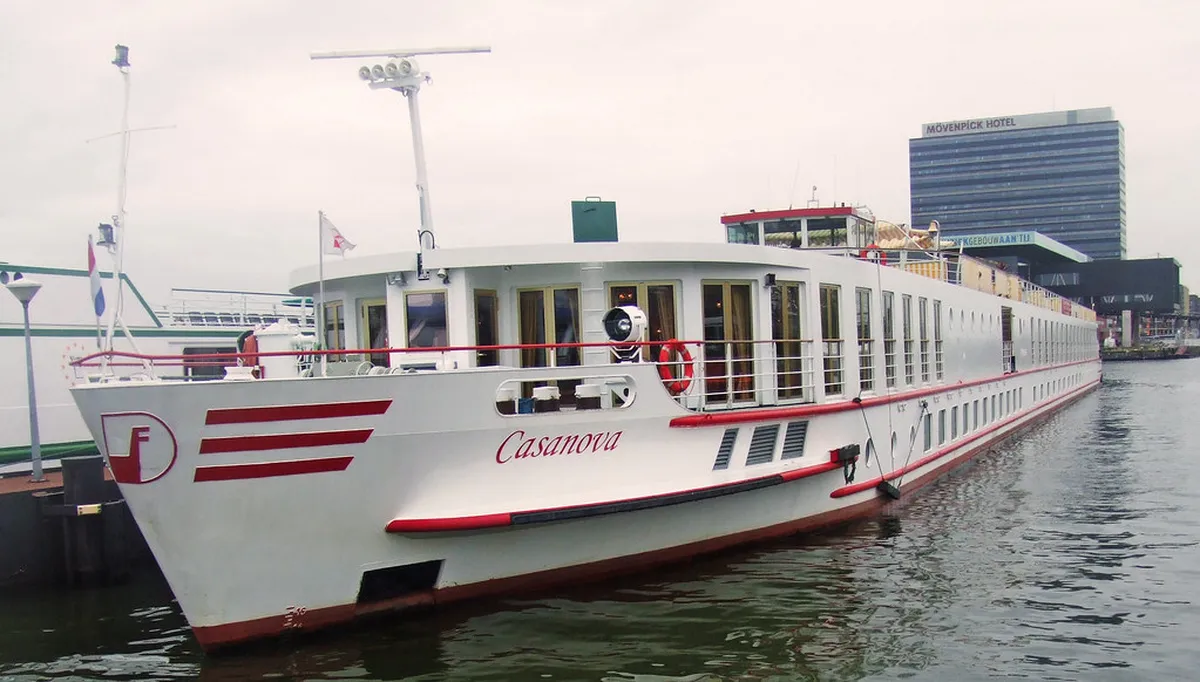
For Szentendre, the HÉV suburban rail line H5 departs from Batthyány tér every 15–20 minutes and does not require advance booking. The Danube Bend boat service — operated by Mahart PassNave — runs seasonally from April to October, connecting Budapest's Vigadó pier with Visegrád and Esztergom. Ferry timetables and fares are worth checking a few days ahead, particularly on summer weekends when demand is high. Combining the ferry upstream and a bus return (or vice versa) creates a natural scenic loop that keeps the journey itself interesting.
For Vienna, the Railjet service jointly operated by MÁV and ÖBB offers the fastest and most comfortable connection, with several departures daily from Keleti. Booking at least two to three weeks in advance unlocks the best fares; same-day tickets cost significantly more. Bratislava is served by both direct trains and bus operators like FlixBus, with the bus sometimes cheaper but the train more reliable for time-sensitive day plans. Whichever route you choose, building a 30-minute buffer at each end of your day avoids the anxiety of a tight turnaround.
Planning Tips to Get the Most from Your Day
The most common mistake on Budapest day trips is underestimating how much the return journey compresses your usable time. Leaving Budapest before 9:00 AM gives you at least seven hours at your destination before needing to head back for a sensible evening return. For full-day destinations like Eger or Vienna, an 8:00–8:30 AM departure is genuinely worth the early alarm — that extra hour at the far end transforms the day. Building one optional activity as a 'drop if running late' buffer avoids the end-of-day rush that makes the last train feel like a sprint.
Pre-booking activities in advance matters most for popular, time-sensitive experiences like wine cellar tours, cooking sessions, or guided site visits. A Hungarian cooking class or a structured wine tasting in Eger's wine valley often fills up on weekends, especially from May through September. Adventure and active options — hiking, cycling, or kayaking on the Danube — benefit from early booking too, since group sizes are usually capped. For hiking and outdoor options, Budapest-area hiking tours with guides can cover trails north of the city that are genuinely hard to navigate without local knowledge.
Pack light but include a small water bottle, a layer for cooler evenings, and enough local cash for wine tastings, market stalls, and smaller museum entry fees. Card payments are widely accepted in larger towns and city museums, but cash remains useful in rural wine cellars and at ferry docks. Comfortable walking shoes matter more than most travellers expect — Eger, Visegrád, and Szentendre all involve meaningful amounts of uphill or cobbled-street walking. A quick scan of the destination's public holiday calendar for your travel date avoids arriving at closed gates.
Pécs: The Longer-Haul Day Trip — Worth It?
Pécs sits about 200 kilometres south of Budapest and is the one longer-haul destination that consistently earns its travel time. Direct InterCity trains run from Keleti station with a journey of roughly two hours 45 minutes to three hours; return tickets typically cost 6,000–9,000 HUF booked a few days ahead. What makes it worth the extra hour over Eger is the range: a converted Ottoman mosque on the main square (Mosque of Pasha Qasim, free entry), a UNESCO-listed Early Christian Necropolis with fourth-century burial chambers (around 2,000 HUF admission), and the Zsolnay Cultural Quarter — a renovated porcelain factory district with museums and outdoor spaces that works well as an afternoon wind-down before the return train.
The honest verdict: Pécs rewards travellers who want a full-day city over a scenic loop or a wine town. It does not suit a half-day schedule — leave Budapest no later than 8:30 AM and plan to board a return service around 6:00–7:00 PM to have enough time at each site. Sunday closures apply to some museum galleries, so a weekday or Saturday visit works better. If you are already planning a full Eger day, Pécs is best saved for a separate trip rather than crammed into the same itinerary.
| Destination | Travel Time | 2026 Return Cost | Trip Length | Best For | Tour vs. DIY Verdict |
|---|---|---|---|---|---|
| Szentendre | ~40 min (HÉV rail) | ~900 HUF | Half-day | Relaxed gallery-hopping & riverside cafés | DIY — no tour justification |
| Visegrád | ~1 hr (Danube ferry leg) | 4,000–5,500 HUF (boat + bus) | Full day | History lovers wanting hilltop castle views | DIY — tour adds context at ruins |
| Eger | ~2 hrs (direct train) | 5,000–7,000 HUF | Full day | Hungarian wine culture & baroque architecture | DIY — guided tour earns cost for castle depth |
| Vienna | ~2 hrs 40 min (Railjet) | From ~€20 each way | Full day | Capital-city contrast without extra overnight | Tour worth it — €50–€90 guided beats DIY logistics |
| Bratislava | ~2 hrs 20 min (train) | 6,000–10,000 HUF | Full day | Budget travellers wanting a second capital city | DIY — easy to navigate independently |
| Pécs | ~2 hrs 45 min – 3 hrs (InterCity) | 6,000–9,000 HUF | Full day | Full-day city with Ottoman & UNESCO heritage | DIY — not suited to a half-day schedule |
Frequently Asked Questions
What is the easiest day trip from Budapest for first-time visitors?
Szentendre is the simplest choice: a 40-minute HÉV suburban train from central Budapest drops you into a charming riverside art town with no navigation challenges. Entry is free, wine and pastry stops are plentiful, and the return journey is equally straightforward. It comfortably fills a relaxed half-day without advance planning.
Is it worth taking a guided tour for day trips from Budapest?
It depends on the destination. For Vienna or a multi-stop Danube Bend loop, a guided tour genuinely earns its cost through pacing and expert context. For Szentendre or Bratislava, independent travel is cheaper and just as rewarding. Check our guide to the best day trips from Budapest for a side-by-side comparison of tour versus DIY value.
How far in advance should I book day trips from Budapest?
For train travel to Eger or Vienna, booking two to three weeks ahead typically secures the best fares. Guided tours and activity-based day trips — wine tours, cycling routes, cooking classes — often sell out on weekends from May through September, so aim for at least a week's advance booking for those options.
Can I visit Vienna as a day trip from Budapest?
Yes — Railjet trains cover the route in roughly two hours 40 minutes, with several daily departures from Budapest Keleti. Advance fares start from around €20 each way. The day is long but workable if you leave by 8:30 AM and return on a late-evening service. It suits travellers who want a capital-city contrast without an extra night's accommodation cost.
What is the best time of year for day trips from Budapest?
Late April through October offers the widest range of options, with the Danube ferry service running, outdoor wine cellars open, and daylight hours generous enough for full-day trips. Summer weekends are busiest, particularly for Szentendre and the Danube Bend. Eger is enjoyable even in autumn, when the grape harvest season adds a seasonal dimension to the visit.
Budapest's position in Central Europe makes it one of the continent's best-placed cities for rewarding day trips. Whether you opt for the quick train to Szentendre, the wine cellars of Eger, or the high-speed rail to Vienna, each option has a clear worth-it case when you match it to your interests and available time. The honest verdict: DIY travel on Hungary's rail network is excellent value for most routes, while guided tours justify their price for Vienna, multi-stop loops, and activity-specific days where logistics matter. Plan the transport early, leave Budapest before 9:00 AM, and you will rarely feel shortchanged by a day outside the capital.
Free: The Budapest Essentials guide
Top things to do, where to stay, a perfect day plan, getting around, and the best time to go — a Budapest mini-guide you can take offline.
Plan the next decision
Continue reading
More independent guides you'll find useful