Best Day Trips from Split 2026: Tour or DIY?
Planning day trips from Split? Compare Plitvice, Krka, Hvar, Trogir and Dubrovnik with honest tour vs DIY verdicts, 2026 costs, and booking tips.

On this page
Best Day Trips from Split: Honest Tour vs DIY Verdicts
Split sits in a near-perfect position on the Dalmatian Coast, with national parks, islands, and medieval towns all within reach in a single day. The challenge is not finding options — it is figuring out which destinations deserve your limited time and whether a guided tour is actually worth paying for. We have broken down the five most popular day trips from Split with honest cost comparisons and clear verdicts so you can plan without second-guessing.
⚡ Tour Verdict quick take: Planning day trips from Split? Compare Plitvice, Krka, Hvar, Trogir and Dubrovnik with honest tour vs DIY verdicts, 2026 costs, and booking tips.
Some trips genuinely reward a guided tour, while others are faster and cheaper to tackle on your own. The distance, transport options, and entrance logistics vary more than most travel blogs admit, so getting these details right saves real time and money.
Last updated June 2026.
Free: The Split Essentials guide
Top things to do, where to stay, a perfect day plan, getting around, and the best time to go — a Split mini-guide you can take offline.
Best Day Trips from Split at a Glance
These five destinations cover the full range of what the Dalmatian region offers, from inland waterfalls and UNESCO old towns to island beaches and famous city walls. Each one suits a different travel style, budget, and tolerance for crowds, so a quick comparison helps you pick the right fit. The list below shows the key facts at a glance before we go deeper into each option.
- Plitvice Lakes National Park
- Distance from Split is roughly 130 km, taking about 2.5 hours each way by car or bus.
- Entry fees in 2026 run around 30 to 40 EUR depending on the season, with mandatory online booking during peak months.
- Best for travelers who want dramatic scenery and are happy spending a full 8 to 10 hour day away from Split.
- Krka National Park
- Krka sits around 75 km from Split, making it roughly 90 minutes by road or direct shuttle bus.
- Entry to the main Skradinski Buk waterfall area costs around 25 to 35 EUR in high season.
- Best for travelers who want a waterfall experience closer to Split with a shorter overall commitment.
- Hvar Island
- The standard ferry from Split to Hvar Town takes about one hour and costs around 5 to 10 EUR each way.
- There is no car needed on Hvar, and most of the town is walkable from the ferry port.
- Best for travelers who want a relaxed island day with beaches, a hilltop fortress, and good restaurants.
- Trogir Old Town
- Trogir is just 27 km from Split, reachable by local bus in around 30 minutes for under 3 EUR.
- The old town is a UNESCO site and entry to the area itself is free, with optional paid monuments inside.
- Best for travelers who want a short, low-cost day trip with medieval architecture and a relaxed pace.
- Dubrovnik
- Dubrovnik is about 230 km south of Split, which means a 3.5 to 4 hour drive or bus journey each way.
- City wall entry runs around 35 EUR in 2026, and the old town gets extremely crowded from June through August.
- Best for travelers with a specific reason to visit Dubrovnik and who do not mind a very long day out.
Plitvice Lakes: Worth the Long Drive?
Plitvice Lakes is one of Croatia's most photographed places, and for good reason — the terraced lakes and walkway-level waterfalls genuinely look like the photos. From Split, the round trip takes roughly five to six hours of travel alone, which means you need to decide early whether you want to spend most of your day in a car or a bus. Our verdict is that Plitvice rewards the effort, but only if you go in May, June, or September when the light and crowds are manageable.
In July and August, the park hits daily visitor limits and queues at the main viewpoints get long even with a timed entry ticket. Booking your entry slot well in advance is mandatory during peak season, and the park's official site sells out weeks ahead. A guided tour from Split typically handles all of this for you, which is one case where the tour fee genuinely earns its keep. Expect to pay 70 to 100 EUR for a full-day group tour, compared to roughly 40 EUR in park entry plus transport if you go independently.
If you drive yourself, you gain flexibility on timing and can linger at quieter sections of the park away from the main loop. Those who prefer the Upper Lakes tend to find fewer people there than at the famous Lower Lakes waterfall area. Renting a car in Split for a Plitvice day is usually 40 to 60 EUR including fuel, so the cost difference with a tour is real but not enormous.
Krka Waterfalls: The Closer Alternative
Krka National Park is often overlooked in favor of Plitvice, but for a day trip from Split it is genuinely the better logistical choice for most travelers. The drive takes around 90 minutes each way, which leaves far more time at the actual park rather than on the road. Split adventure tours regularly include Krka as a combined waterfall and boat excursion, often adding a stop at Šibenik old town on the way back.
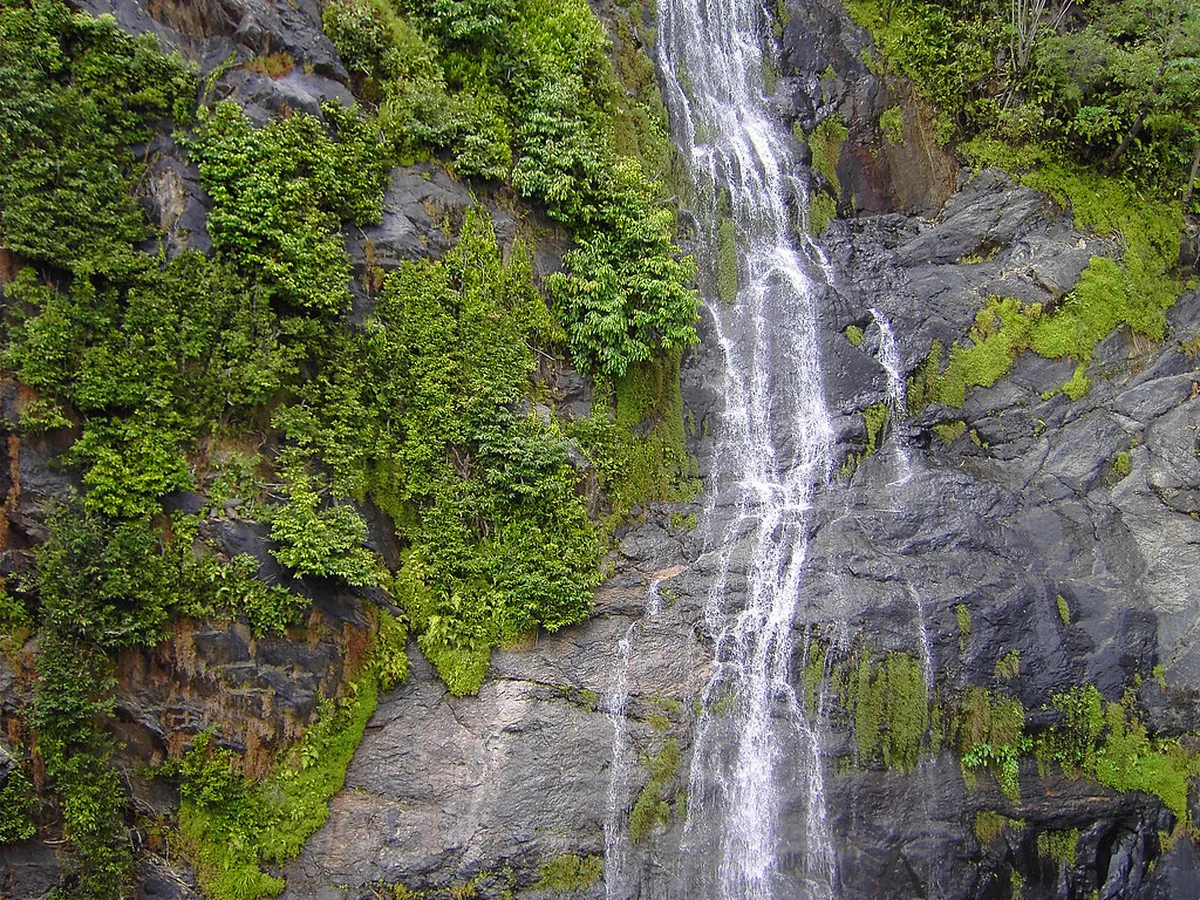
The famous Skradinski Buk waterfall area is the main draw, and the wooden walkways around it offer excellent viewpoints without a difficult hike. Swimming at the base of the falls was suspended for several years due to conservation rules, but some areas reopened for access on foot — always check the park's latest policy before you go. Entrance fees are tiered by season and typically range from 20 to 35 EUR per person in 2026.
Budget travelers can reach Krka by taking a public bus from Split to Šibenik for around 10 EUR return, then a local bus or short taxi to the park gate. This route takes roughly two hours each way but costs significantly less than a private tour. If your priority is simplicity and value, the bus option works well for confident independent travelers.
Hvar, Trogir, and Dubrovnik Day Trips
Hvar Island is one of the most accessible day trips from Split thanks to the regular catamaran and car ferry services running throughout the day. The catamaran to Hvar Town takes about one hour from Split's main ferry terminal and costs around 5 to 8 EUR per person each way. Once there, you can walk to the Hvar Fortress for views over the harbor, visit the main square, or catch a water taxi out to the Pakleni Islands for swimming.
Trogir is the easiest and cheapest day trip on this list — a local bus runs from Split bus station roughly every 30 minutes and the journey takes under 30 minutes. The UNESCO-listed old town is compact enough to cover thoroughly in two or three hours, making it a strong half-day option that pairs well with a Split afternoon. Most visitors are surprised to find that a Trogir trip costs almost nothing beyond lunch, which makes it one of the genuinely good low-cost days out from Split.
Dubrovnik deserves an honest warning: the distance from Split means a round trip by bus or car takes seven to eight hours of travel on its own. We think Dubrovnik works far better as a separate base for at least two nights rather than a day trip — you simply do not have enough time to see the old town properly before the return journey. If you are set on a Dubrovnik day trip, book a seat on the direct coach from Split's bus station and aim to arrive by 9 AM to beat the cruise ship crowds. Check the latest TourVerdict travel guides for updated transport schedules before finalizing your plans.
Tour vs DIY: Which Is Better from Split?
The tour-vs-DIY question depends heavily on which destination you are headed to and what you value most on a travel day. For Plitvice specifically, a guided tour removes three genuine headaches: timed entry booking, the long drive, and navigating the park's ticketing tiers. If you are visiting in high season or have limited time to plan, paying for a Split to Plitvice day trip package is a reasonable call.
For Hvar, Trogir, and Krka, the DIY route is generally better value and not much harder to manage. Ferries to Hvar run frequently, bus connections to Trogir are reliable and cheap, and Krka can be reached by public bus with one change. Booking a guided tour to these places usually adds cost without adding much practical benefit, unless you want commentary or prefer not to navigate logistics independently.
Group tours do win on one specific front: social value. Travelers who are visiting solo or who prefer meeting other people often find guided tours more enjoyable than an efficient DIY approach. If the social side matters to you, a small-group day tour can genuinely enhance the experience beyond just the destination itself. Our complete guide to the best day trips from Split includes tour recommendations for each destination if you prefer the guided format.
Practical Tips Before You Leave Split
Summer in Dalmatia means crowds arrive early, and most popular sites are noticeably busier after 10 AM in July and August. Starting your day trip as early as possible — ideally on the first bus, boat, or tour departure — gives you a significantly better experience at any of these destinations. For Plitvice and Hvar in particular, arriving early is the single most effective thing you can do to improve the day.
Always bring cash or check card payment availability at smaller transport points, as some rural bus stops and park kiosks still do not accept cards reliably. A light daypack with a water bottle, sunscreen, and a layer for the evening is useful on any of these trips. If you are combining a Split walking tour with a day trip, schedule the walking tour on a separate day rather than trying to squeeze both into one.
Booking return transport before you leave Split is often overlooked but genuinely important, especially for buses to Dubrovnik and ferries back from Hvar in the late afternoon. Seats on the late ferry from Hvar Town to Split fill up fast during summer, so checking availability in advance avoids a stressful wait at the port. Having a clear return plan takes the stress out of the day and lets you enjoy the destination without watching the clock.
Leaving Split: Where to Catch Your Trip
Split has two main departure points that serve completely different destinations, and mixing them up costs time. The Autobusni kolodvor (main bus station) sits right next to the ferry port on Domovinskog rata, and it handles all overland routes — buses to Šibenik for Krka (roughly 10 EUR return, every 60–90 minutes), coaches to Dubrovnik (around 130 HRK / 17 EUR one-way, 3.5–4 hours), and the twice-daily service to Plitvice (around 200 HRK / 26 EUR each way, 2.5 hours). Trogir is served by local line 37 from the same station, departing every 20–30 minutes for under 3 EUR.
The Trajektna luka (ferry port), immediately adjacent, handles all island and coastal boat services. Jadrolinija catamarans to Hvar Town depart from Pier 4 (Gate 21) and take about 60 minutes; buy tickets at the Jadrolinija window inside the terminal or via their app. A car ferry to Stari Grad on Hvar is slower (around 2 hours) but useful if you are bringing a vehicle. Guided tour pick-ups for Plitvice and Krka usually leave from marked bays on Obala Kneza Domagoja, the street running alongside the ferry port — confirm your pick-up point when booking.
Parking near the bus and ferry terminal is available in the Gripe garage (about 1.5 EUR per hour) if you are driving to the station before catching a bus or shuttle. If you are renting a car for Plitvice or Krka, pick-ups at the Split Airport or the city-centre branches on Domovinskog rata give easy access to the main roads north without navigating the old-town warren.
| Destination | Distance from Split | Travel Time (each way) | 2026 Cost (DIY) | Best For | Tour vs DIY Verdict |
|---|---|---|---|---|---|
| Trogir | 27 km | ~30 min | Under €3 (bus) | Medieval architecture, low-cost half-day | DIY — bus runs every 20–30 min, old town free to enter |
| Krka Waterfalls | 75 km | ~90 min | €20–35 entry + ~€10 bus return | Waterfall experience, shorter day | DIY — public bus to Šibenik works well for independent travelers |
| Hvar Island | — | ~1 hour (catamaran) | €5–8 each way (catamaran) | Island beaches, fortress, restaurants | DIY — ferries run frequently, no car needed |
| Plitvice Lakes | 130 km | ~2.5 hours | €30–40 entry + €40–60 car hire | Dramatic scenery, full-day immersion | Tour recommended in peak season — guided tour €70–100, handles timed entry |
| Dubrovnik | 230 km | 3.5–4 hours | ~€35 city wall entry + transport | Travelers with a specific reason to visit | Not recommended as day trip — 7–8 hrs travel round trip |
Frequently Asked Questions
What is the easiest day trip from Split?
Trogir is the easiest day trip from Split by a wide margin. Local buses depart every 30 minutes from Split's bus station, the journey takes under 30 minutes, and the UNESCO old town is compact enough to cover in two to three hours. It costs almost nothing beyond a meal.
Is Plitvice Lakes worth it as a day trip from Split?
Plitvice Lakes is worth the journey if you visit outside peak summer or book timed entry well in advance. The 2.5-hour drive each way is long, so expect a 10-hour day. Visiting in May, June, or September gives you better light, smaller crowds, and a far more relaxed experience than July or August.
How do I get from Split to Hvar?
The quickest option is the high-speed catamaran from Split's main ferry terminal to Hvar Town, which takes around one hour and costs 5 to 8 EUR each way. Ferries run multiple times daily in summer. The slower car ferry also connects Split to Stari Grad on Hvar if you are bringing a vehicle.
Should I book a tour or go DIY for Krka?
DIY works well for Krka since public buses connect Split to Šibenik for around 10 EUR return, and local transport covers the last stretch to the park. A guided tour adds convenience and often includes a boat ride and Šibenik stop, which can be worth it if you prefer a structured day. See our Split adventure tours for options.
Is Dubrovnik feasible as a day trip from Split?
Dubrovnik is technically doable as a day trip but not our recommendation. The round trip by bus or car is seven to eight hours of travel, leaving only three to four hours in the city. We think two nights in Dubrovnik as a separate base gives a far better experience and is worth the extra planning.
Split's location gives you an unusually strong set of day trip options, from the close and easy walk around Trogir's old town to the full-day commitment of Plitvice Lakes. Matching the destination to the time you have and the experience you want makes all the difference between a rushed day and a genuinely memorable one. Whether you choose a guided tour for Plitvice or catch an early ferry to Hvar on your own, early planning and an honest look at travel times will serve you well.
If you are still deciding between options, start with the destination that fits your available hours rather than chasing the one with the most impressive photos. Trogir and Krka both deliver strong experiences without the effort that Plitvice and Dubrovnik demand, and they leave room to enjoy Split itself in the evening.
Free: The Split Essentials guide
Top things to do, where to stay, a perfect day plan, getting around, and the best time to go — a Split mini-guide you can take offline.
Plan the next decision
Continue reading
More independent guides you'll find useful