Split Food Tours: The Honest 2026 Verdict
Split food tours reviewed honestly: prices, what's included, best options in 2026, and who should actually book one. Our verdict from the Dalmatian coast.

On this page
Split Food Tours: What We Think Is Worth Booking
Split's food scene is one of the most underrated in the Mediterranean. Dalmatian cooking leans on olive oil, Adriatic seafood, cured meats, and local wines that rarely leave Croatia. A guided food tour is one of the fastest ways to get past tourist-trap restaurants and into the real thing.
⚡ Tour Verdict quick take: Split food tours reviewed honestly: prices, what's included, best options in 2026, and who should actually book one. Our verdict from the Dalmatian coast.
We've looked at what's on offer in 2026 — the formats, prices, what's genuinely included, and what the fine print hides. This guide gives you our honest take so you can decide whether a Split food tour earns a slot in your itinerary. If you're weighing it against other activities, we'll flag exactly who benefits most and who can skip it.
Last updated June 2026.
Free: The Split Essentials guide
Top things to do, where to stay, a perfect day plan, getting around, and the best time to go — a Split mini-guide you can take offline.
Key Takeaways
- Group food tours cost €55 to €85 per person and run two to four hours; private tours cost more but move at your pace.
- Dalmatian prsut, black risotto, Pag cheese, and local Plavac Mali wine are the core of what you'll taste.
- Book two to three days ahead in summer — morning slots fill fast when cruise ships are in port.
- Declare dietary restrictions at booking, not on the day, to get real substitutions rather than bypassed stops.
- Food tours are best for first-time visitors and food-curious travelers; families with picky eaters may find better value elsewhere.
What Split Food Tours Actually Cover
Most Split food tours run between two and four hours and move on foot through the Old Town and the Green Market. Guides typically stop at six to ten tasting points, covering a mix of local producers, konobas (family-run taverns), and specialty shops. The route almost always passes through Diocletian's Palace, which doubles as a history and culture primer alongside the eating.
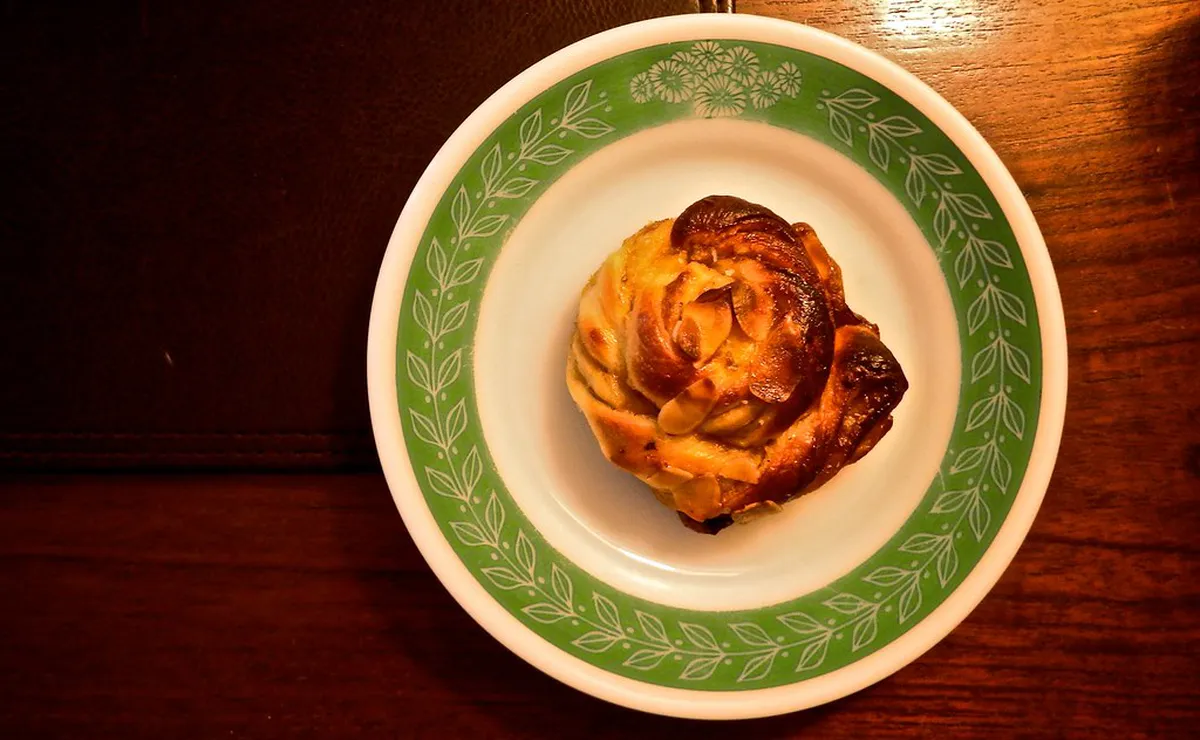
Tastings usually include cured meats, local cheeses, olive oil, wine, and at least one cooked dish. Some tours add a craft rakija pour or a jar of local honey to the lineup. Don't expect a full meal — the format is snack-sized portions spread across stops, not a sit-down dinner.
Drink is almost always part of the package on reputable tours; budget operators sometimes charge wine separately. Guides on the better tours are locals who know the producers personally, which means you get context you won't find in a guidebook. Group sizes typically run from six to sixteen people, though private options exist for couples or small groups who want a more relaxed pace.
Best Split Food Tour Options in 2026
The market-and-konoba walking format is the most common, and for most visitors it hits the right balance of context and flavor. These tours run in the morning when the Green Market is stocked and vendors are at their most talkative. Prices typically fall between €55 and €85 per person for a group tour, with private versions running €120 to €180 for two.
Wine-focused food tours pair the tasting stops with a deeper dive into Dalmatian varietals — Plavac Mali is the local red to know. These tend to run slightly later in the day and sometimes include a winery stop just outside the city. If wine is your priority, pairing a Split wine tour with an afternoon walking circuit can cover both angles without doubling up on the same stops.
Cooking class add-ons are a step up in both price and immersion — expect €90 to €140 per person for a combined eat-and-cook format. You'll prepare one or two Dalmatian dishes, eat what you make, and leave with recipes. Our full breakdown of what to expect is in the Split cooking class guide, which covers the hands-on sessions available in 2026.
- Market and konoba walking tour
- Price runs from €55 to €85 per person for groups.
- Stops hit six to ten tasting points across two to four hours.
- Morning departures catch the Green Market at its freshest.
- Wine and food combination tour
- Pairs Dalmatian tastings with pours of Plavac Mali and Posip.
- Some itineraries include a short transfer to a nearby winery.
- Best suited to guests who want wine knowledge alongside the food.
- Cooking class with food tour
- Costs between €90 and €140 per person including ingredients.
- You prepare one or two dishes and eat the results at the end.
- Smaller group sizes make the experience more personal and relaxed.
- Private food tour
- Typically €120 to €180 for two people on a custom route.
- Guides adjust pace, stops, and dietary needs on the fly.
- Worth the premium for couples celebrating an occasion or solo travelers.
What You'll Eat: Dishes and Drinks to Expect
Dalmatian prsut is the cured ham the region is proudest of, and nearly every food tour starts with a thin slice alongside local sir (sheep's milk cheese). The quality difference between what you taste on a guided stop and what you'd buy at a random deli is noticeable. Guides often explain the curing process and the geographic rules that protect the product — context that makes the tasting land differently.
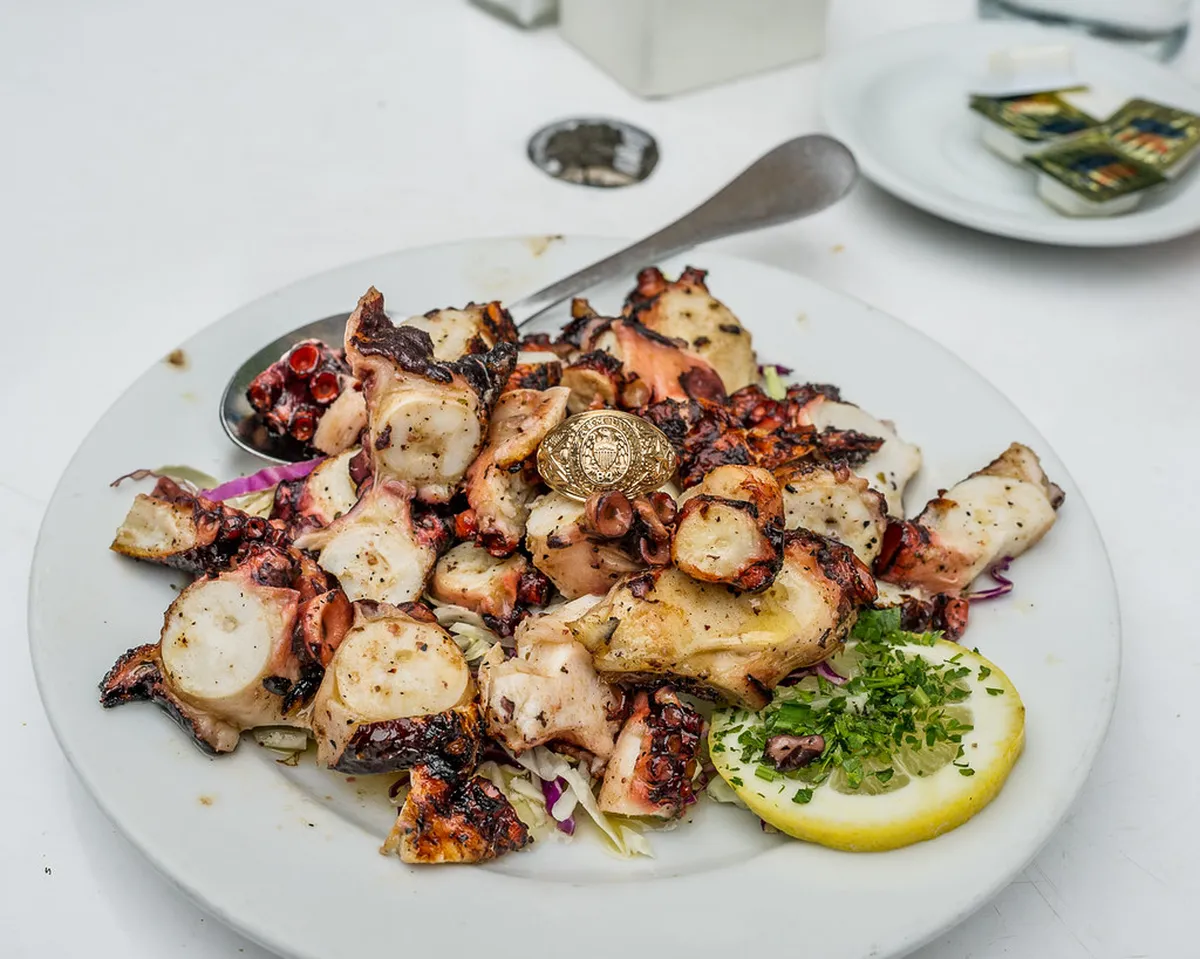
Crni rizot (black risotto) made with cuttlefish ink is one of those dishes that defines the Dalmatian coast, and it shows up on most food tours. Soparnik — a thin, unleavened chard pie from the Dalmatian hinterland — is less famous but genuinely worth trying. Pag cheese, brought down from the island of the same name, appears on many tours as a sharp counterpoint to the cured meats.
On the wine side, look out for Posip (a dry white from Korcula) and Plavac Mali (a tannic red from the southern Dalmatian coast). Craft rakija — typically grape-based or infused with herbs — often rounds out the drink stops. Local olive oil from small producers around Split and the islands is another thing guides tend to take pride in: these oils taste nothing like supermarket imports.
Honest Pros and Cons of Split Food Tours
The strongest argument for booking a food tour is access: guides have existing relationships with vendors and konobas that don't advertise to tourists. You'll taste products from small producers you'd never find on your own, and you'll understand what makes them worth seeking out. The culture and history layer — Diocletian's Palace, the market's social role in local life — adds real depth to what could otherwise just be eating.
The main limitation is portion size: food tours are not a substitute for a meal, and some guests arrive hungry expecting more than the format delivers. Dietary restrictions can be awkward — vegan and gluten-free travelers will find the lineup leaning heavily on meat and bread. Group pacing is the other friction point; larger tours move at the slowest guest's speed, which can frustrate people who like to linger or move quickly.
Value depends heavily on which operator you choose. A well-run tour at €70 per person is better value than a cheap €40 tour that skips the wine and rushes through five anonymous stops. Read recent reviews for mentions of the guide specifically — the difference between a knowledgeable local and a script-reader is the difference between a good tour and a forgettable one.
Who Should Book a Food Tour in Split
First-time visitors to Split get the most out of a food tour because it orients them quickly — you leave knowing which restaurants are worth returning to and which products to buy at the market. Solo travelers often find the group format a good social entry point, especially on morning tours when energy is high. Couples looking for an immersive half-day activity tend to rate food tours as a highlight, particularly the private formats.
Food tours suit travelers who are genuinely curious about regional cuisine and want more than a restaurant recommendation. If your travel priority is ticking off sights rather than slowing down over food, the time investment may not be the right fit. Families with young children or picky eaters can find the format frustrating — the snack pace and unfamiliar ingredients don't always land well with kids.
Budget travelers should weigh the cost carefully. At €55 to €85 per person, a food tour costs more than a good lunch at a konoba but less than a mid-range dinner for two at a tourist restaurant. If you're already planning to explore the Split walking tours scene, combining a food stop with a self-guided market visit is a reasonable middle path.
Booking Tips and What to Know Before You Go
Book at least two to three days in advance in summer; popular morning slots sell out by Wednesday for the coming weekend. July and August are the busiest months in Split, and tours fill quickly once cruise ships dock in the old harbor. If you're visiting in May, June, or September, you'll have more flexibility — but early booking still secures your preferred time slot.

Wear comfortable shoes: the Old Town is paved with polished limestone that turns slippery when wet, and you'll cover a mile or more across two to three hours. Arrive five minutes early so the guide can take dietary notes before the group sets off. Bring cash for anything you want to buy from vendors along the route — many small producers don't accept cards.
Notify the operator of dietary needs at the time of booking, not on the day. Most reputable tours can accommodate common restrictions with a day's notice, but last-minute requests often mean one or two stops are simply bypassed rather than substituted. If Split is part of a longer itinerary, consider pairing the food tour with a day trip from Split the following morning — the combination of local flavor and island or hinterland scenery makes for a strong two-day sequence.
Where to Book a Split Food Tour
GetYourGuide and Viator carry the widest selection of Split food tours, with instant confirmation and a clear cancellation policy (most allow free cancellation up to 24 hours before the tour). Booking through a platform also means reviews are verified by purchase — a better signal than testimonials on an operator's own site. Prices are generally the same as booking direct, and the refund process is more straightforward if something goes wrong.
Direct booking with a local operator is worth considering for private tours, where the guide can discuss a custom route before you pay. Send one email or WhatsApp message in advance to check group size, wine inclusion, and what substitutions they make for dietary restrictions — operators who respond promptly and specifically tend to run the better tours. Avoid any listing that cannot confirm the guide's name and background before you commit a deposit. If the listed price does not include wine, expect a €10–15 supplement charged on the day — check the fine print before you pay.
| Tour Format | 2026 Price | Duration | Group Size | Best For |
|---|---|---|---|---|
| Market & konoba walking tour | €55–€85 per person | 2–4 hours | 6–16 people | First-time visitors; morning market experience |
| Wine and food combination tour | — | — | — | Guests who want wine knowledge alongside food |
| Cooking class with food tour | €90–€140 per person | — | — | Hands-on immersion; prepare and eat Dalmatian dishes |
| Private food tour | €120–€180 for two | — | — | Couples celebrating an occasion or solo travelers |
Frequently Asked Questions
How much do Split food tours cost in 2026?
Group food tours in Split typically cost between €55 and €85 per person and last two to four hours. Private tours run €120 to €180 for two. Cooking class combos sit at the higher end, usually €90 to €140. Prices vary by operator and whether wine is included, so read the itinerary carefully before booking.
Are Split food tours worth it for first-time visitors?
Yes, for first-time visitors a food tour is one of the most efficient ways to understand Dalmatian cuisine and spot the best local producers. You'll leave with restaurant recommendations, ingredient knowledge, and a feel for the market that would take days to build on your own. The investment pays off most when you plan to eat out several times during your stay.
What should I eat on a food tour in Split?
Expect Dalmatian prsut, sheep's milk cheese, black risotto (crni rizot), soparnik chard pie, and Pag cheese as the core food stops. Drinks typically include local white wine (Posip), red wine (Plavac Mali), and sometimes a craft rakija pour. Guides usually explain the provenance and production method at each stop, which adds real context to the tasting.
Can I do a Split food tour with dietary restrictions?
It's possible but worth flagging clearly at booking. The standard Dalmatian food lineup is heavy on meat, cheese, and bread, so vegan and gluten-free travelers may find several stops skipped rather than swapped. The better operators make genuine substitutions with advance notice. Always confirm the substitution policy before paying a deposit.
How does a food tour differ from a Split cooking class?
A food tour moves through the city, stopping at markets, shops, and taverns for small tastings. A Split cooking class keeps you in one kitchen where you prepare Dalmatian dishes and eat what you make. The cooking class is more immersive and hands-on; the food tour covers more ground and gives a broader picture of local food culture.
Split food tours are a genuine way to connect with Dalmatian food culture — not a tourist gimmick dressed up with a flag and a microphone. The format works best when you choose an operator with a local guide who knows the producers personally and keeps group sizes manageable. Morning tours, specific dietary requests booked in advance, and a willingness to snack rather than eat a full meal will set you up for the best experience.
For visitors who want to go deeper after the tour, the natural next steps are a dedicated wine tasting session, a cooking class, or a day trip into the Dalmatian hinterland. Split's food culture doesn't stop at the Old Town walls — the islands, the wine country, and the small farms an hour inland are all part of the same story. A food tour is the starting point; the rest of your trip can build on what you taste.
Planning Tours in Other European Cities?
Tour Verdict reviews guided experiences right across Europe. If Split is one stop on a bigger trip, here are our honest worth-it verdicts for other foodie and culture capitals worth booking:
- Kotor Food Tours — worth-it picks for the Bay of Kotor & Montenegrin flavors.
- Ljubljana Food Tours — worth-it picks for farm-to-table Slovenia & Lake Bled.
- Bologna Food Tours — worth-it picks for tagliatelle al ragù & the Emilia food valley.
Free: The Split Essentials guide
Top things to do, where to stay, a perfect day plan, getting around, and the best time to go — a Split mini-guide you can take offline.
Plan the next decision
Continue reading
More independent guides you'll find useful