Split Wine Tour 2026: Is It Worth It?
Planning a Split wine tour? We break down prices, what's included, tour types, and whether a Dalmatian wine tour is truly worth your time in 2026.
On this page
Split Wine Tours: Our Honest Verdict for 2026
Last updated June 2026.
Croatia's Dalmatia region produces some of the most distinctive red wine in the Mediterranean, and a Split wine tour puts you right in the heart of it. The indigenous Plavac Mali grape grows on steep coastal and island slopes, producing bold, tannic reds that rarely appear on international shelves. Booking a guided tour is the most practical way to reach the vineyards, since many are spread across islands or inland hills with no easy public transport.
⚡ Tour Verdict quick take: Planning a Split wine tour? We break down prices, what's included, tour types, and whether a Dalmatian wine tour is truly worth your time in 2026.
The question most travelers ask is whether the experience justifies the cost alongside everything else Split has to offer. We reviewed the main tour options, dug into what each type covers, and put together a clear verdict to help you decide. Whether you have half a day or a full day free, there is a format that fits most itineraries.
Free: The Split Essentials guide
Top things to do, where to stay, a perfect day plan, getting around, and the best time to go — a Split mini-guide you can take offline.
What a Split Wine Tour Covers
Most Split wine tours combine transport, a vineyard visit, guided tastings, and a light meal or charcuterie spread. The Dalmatian coast has two main wine production zones reachable from Split: the islands (notably Hvar and Brač) and the inland Dalmatian hinterland around Imotski and the Cetina valley. Island tours generally involve a ferry or speedboat leg, making the journey itself part of the experience.
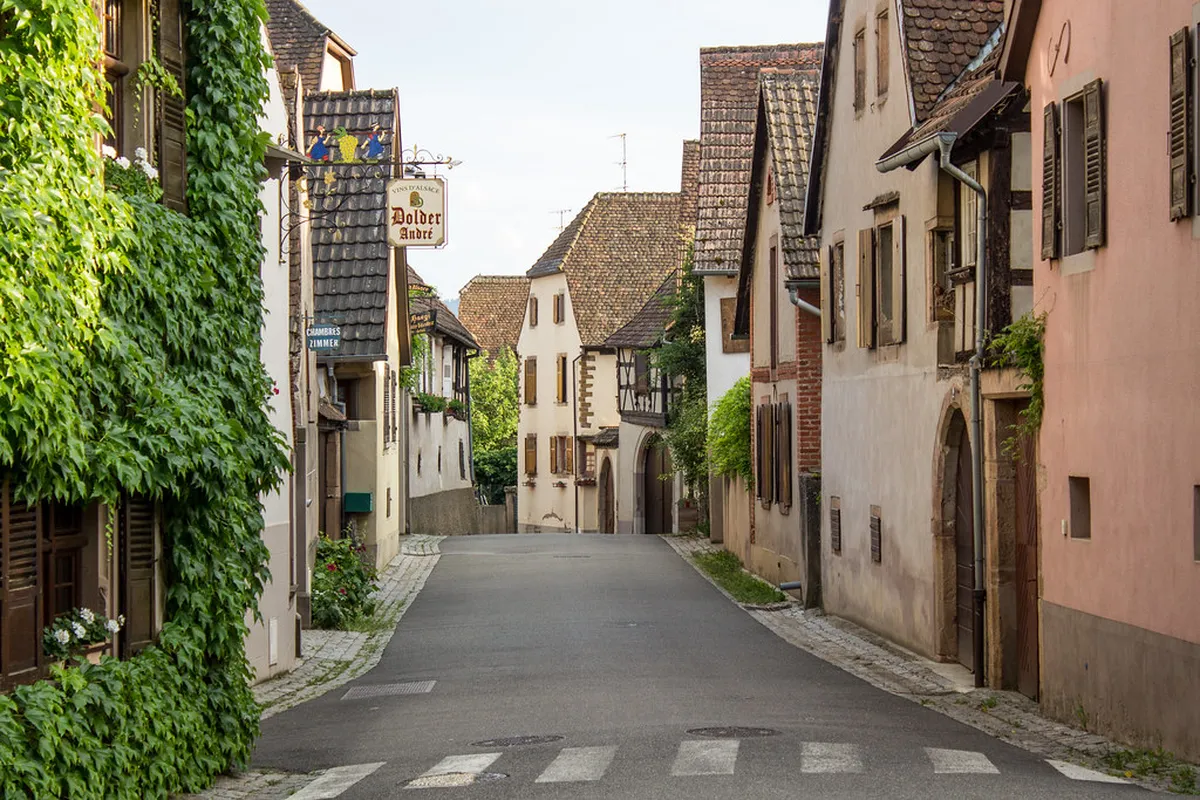
The dominant grape variety on a Dalmatian wine tour is Plavac Mali, a variety genetically linked to Zinfandel. You will typically taste three to six wines per winery, often paired with local prosciutto, cheese, and olive oil. Some tours include a winemaker talk, which adds useful context about the region's terroir and the challenges of growing on near-vertical slopes.
Lunch is included on most full-day tours, ranging from a simple farm spread to a sit-down meal at the winery. Half-day tours rarely include a full meal but usually provide a snack board. Check each listing carefully, because the definition of "included" varies more than you might expect between operators.
- Transport from Split
- Most tours pick up from the Old Town or Diocletian's Palace area and handle all driving or ferry logistics.
- Guided vineyard visit
- Expect a walk through working vines and a short explanation of Dalmatian winemaking traditions.
- Structured wine tasting
- Tours typically include three to six wines, often with tasting notes from the guide or winemaker.
- Local food pairing
- Prosciutto, sheep's cheese, and olive oil are standard accompaniments on most tastings.
- Lunch or snack spread
- Full-day tours usually include a meal; half-day formats offer a lighter food pairing instead.
Types of Wine Tours Available from Split
Island wine tours are the most popular option, with Hvar drawing the largest share of bookings. Hvar has a strong wine identity built around the Plavac Mali vineyards of Ivan Dolac and Svirče, two villages with a serious winemaking reputation. A typical Hvar wine tour from Split involves a speedboat transfer, a vineyard visit, a tasting, and often a stop at one of the island's beaches on the return journey. These tours run between four and eight hours and usually cost €60–€120 per person depending on group size and what is included.
Inland Dalmatia tours are less common but worth considering for travelers who have already done a Hvar day trip. The area around Imotski, about 75 kilometres from Split, produces excellent Plavac Mali in a rugged canyon landscape that feels completely different from the coast. Day trips from Split into the interior pair well with a wine stop, especially if you want to combine the tasting with a visit to the Red or Blue Lake. Expect to pay €50–€90 per person for a guided inland wine experience.
Private wine tours are available from several operators and make the most sense for couples, small groups, or travelers with specific preferences. A private format lets you choose your winery, set the pace, and request specific grape varieties or organic producers. Prices for private tours typically start around €150–€200 for two people and scale depending on the itinerary and transport. Group tours, by contrast, cost less per head and are well-suited to solo travelers or those happy to share the experience.
Our Verdict: Is a Split Wine Tour Worth It?
A Split wine tour earns a strong yes for travelers who drink wine regularly and want to understand what makes Dalmatian reds different. Plavac Mali is genuinely hard to find outside Croatia, and tasting it at the vineyard where it was grown gives the wine a context that no restaurant glass can replicate. The combination of coastal scenery, boat transport, and local food makes the experience feel generous even before the wine appears.
The value case is clearest on island half-day tours priced between €60 and €80, where the ferry ride, tasting, and food together replace what would otherwise be two or three separate paid activities. At the higher end, full-day private tours above €150 per person feel expensive unless you have a genuine interest in the winemaking process or want a very tailored experience. Occasional drinkers who mainly want a scenic day out will probably get equal enjoyment from a standard day trip from Split to Hvar and skip the wine focus.
The honest caveat is that quality varies between operators. Some group tours move quickly through two or three wineries without enough time to absorb any of them, while better-run tours spend the bulk of the time at one strong producer. Reading recent reviews and checking whether the winery is family-owned versus a commercial facility will steer you toward the more memorable experiences.
Best for: wine enthusiasts, couples, foodie travelers, and anyone spending four or more days in Split who wants a structured half-day away from the city. Skip if: you are tight on time, not a wine drinker, or already planning a full Hvar island day without the wine focus. For those who want to layer wine into a broader outdoor itinerary, pairing a morning sea kayaking tour from Split with an afternoon tasting is a genuinely satisfying combination.
Practical Tips Before You Book
June through September is the prime season for Split wine tours, when the weather is reliable and the vineyards are fully operational. July and August bring peak demand, so booking at least one week ahead is advisable for group tours and two to three weeks ahead for private experiences. May and early October are quieter alternatives with slightly lower prices and smaller groups, and the grape vines are still visually impressive in both months.
Wear comfortable walking shoes, since most vineyard visits involve uneven terrain on terraced hillsides. Many vineyard tracks are steep, and a few island wineries require a short hike from the nearest road. Bring a hat and sunscreen in summer; shade is limited at most open-air tasting areas.
Eat a proper meal before leaving, especially on tours that include only a snack pairing rather than a full lunch. Tasting five or six wines on an empty stomach in summer heat is a fast route to an uncomfortable afternoon. If the tour includes a meal stop, you can plan accordingly, but confirm this when booking rather than assuming.
Combining a wine tour with a Split food tour on separate days is a popular approach for travelers focused on Dalmatian cuisine and drink. If you prefer a more active day alongside the cultural experience, Split hiking tours through the Dalmatian interior also pass through wine country on some routes. Check whether the wine tour operator offers any combination deals before booking the two activities separately.
Buying Dalmatian Wine in Split
Most wineries on guided tours sell bottles directly, and buying at the source is the most reliable way to get producer wines that never reach export markets. Prices at the winery typically run €10–€20 per bottle for solid Plavac Mali, and the winemaker can tell you exactly which vintage to choose. Pack bottles in your checked luggage with clothes padding, or ask your hotel for newspaper — most Split wineries do not ship internationally.
Back in the city, the best dedicated wine shops are concentrated near the Old Town. Vinoteka Baroque, inside the Diocletian's Palace walls on Ulica Između vrata, stocks a well-curated Dalmatian selection including small-production Hvar and Imotski reds (roughly €8–€25 per bottle). Crno Bijelo on Ulica bana Jelačića focuses on Croatian labels only and carries Pošip whites alongside Plavac Mali. Both shops have English-speaking staff happy to recommend bottles suited to airline travel.
If you want a structured tasting without committing to a full-day tour, a few wine bars in Veli Varoš and near the Riva offer Dalmatian flights (three to five pours, €12–€18) that cover the main grape varieties in around an hour.
| Tour Type | Duration | 2026 Price | What's Included | Best For | Verdict |
|---|---|---|---|---|---|
| Hvar Island (group) | 4–8 hours | €60–€120 per person | Speedboat transfer, vineyard visit, tasting, often a beach stop on return | First-time visitors, solo travelers, those wanting coastal scenery | Best value at €60–€80; island setting adds clear scenic premium |
| Inland Dalmatia / Imotski (group) | — | €50–€90 per person | Guided inland wine experience; pairs with Red or Blue Lake visit | Travelers who have already done a Hvar day trip; canyon-landscape seekers | Worth it as a SERP-distinct alternative; rugged landscape feels completely different from the coast |
| Private Wine Tour | — | €150–€200 for two people (starting price) | Custom winery choice, self-set pace, specific grape varieties or organic producers on request | Couples, small groups, travelers with specific wine preferences | Feels expensive above €150 per person unless you have a genuine interest in the winemaking process |
Frequently Asked Questions
How much does a wine tour from Split cost?
Group wine tours from Split typically cost €60–€120 per person for a half-day or full-day experience, depending on what is included. Private tours for two people generally start around €150–€200. Prices usually cover transport, tasting fees, and a food pairing, though a full lunch may cost extra on shorter tours.
What wine is tasted on a Split wine tour?
Most tours focus on Plavac Mali, the signature red grape of Dalmatia. You may also taste Pošip, a crisp white variety grown on Korčula and parts of Hvar, along with local rosé. The wine is typically poured alongside Dalmatian prosciutto, sheep's cheese, and olive oil.
Do I need to book a wine tour in Split in advance?
Booking ahead is strongly recommended, especially in July and August when tour slots fill quickly. Group tours can sell out several days in advance during peak season. Private tours need the most lead time, ideally two to three weeks ahead. Browse operator reviews on TourVerdict before committing to a specific departure.
Which island wine tours from Split are best?
Hvar is the most popular island destination for wine tours from Split, thanks to its established Plavac Mali vineyards in Ivan Dolac and Svirče. Brač is a quieter alternative with fewer tour options but an equally scenic setting. Most operators run speedboat transfers rather than car ferries to save time on island tours.
Can I combine a wine tour with other Split activities?
Yes, most wine tours run as half-day or full-day departures, leaving room for other plans. A morning kayak session pairs naturally with an afternoon wine tasting. Alternatively, pairing a wine tour with a cooking class in Split gives a rounded Dalmatian food-and-drink day without needing an extra travel day.
A Split wine tour offers a genuine window into one of Europe's lesser-known wine regions, and the Plavac Mali grape alone justifies the trip for any serious wine drinker. The island routes add scenic value that lifts the experience well beyond a standard cellar tasting. For most travelers spending a few days in Split, a half-day tour priced in the €60–€80 range represents good value and a clear step up from buying wine at a supermarket.
The key is choosing an operator that spends meaningful time at one quality producer rather than rushing through multiple stops. Read recent reviews, confirm what is actually included in the price, and book early in high season to secure the format you want. Done right, a Dalmatian wine tour leaves you with a better understanding of the region and at least one bottle worth bringing home.
Free: The Split Essentials guide
Top things to do, where to stay, a perfect day plan, getting around, and the best time to go — a Split mini-guide you can take offline.
Plan the next decision
Continue reading
More independent guides you'll find useful