Split Cooking Class: Worth It in 2026?
Thinking about a Split cooking class? Read our honest verdict on peka, seafood, and market tours — prices, what's included, and who should book in 2026.

On this page
Split Cooking Classes: Honest Verdict on Dalmatian Cuisine
Last updated June 2026.
A Split cooking class ranks among the most requested activities on the Dalmatian coast, and for good reason. Croatia's food culture — heavy on seafood, olive oil, slow-cooked peka, and local wine — is the kind of thing you understand better by making it than by eating it at a restaurant. The question worth asking before you book is whether any particular class delivers on that promise or just charges you for a photo op with a dish someone else prepared.
⚡ Tour Verdict quick take: Thinking about a Split cooking class? Read our honest verdict on peka, seafood, and market tours — prices, what's included, and who should book in 2026.
We've reviewed the main class formats available in Split to give you a clear, honest breakdown. That means looking at what you actually cook, whether the market visit adds real value, how the price stacks up, and which type of traveler gets the most from the experience. No fabricated visit claims — just a close read of what's on offer and what the evidence says about which classes earn their price tag.
Free: The Split Essentials guide
Top things to do, where to stay, a perfect day plan, getting around, and the best time to go — a Split mini-guide you can take offline.
What a Split Cooking Class Actually Includes
Most cooking classes in Split follow a two-part structure: a morning visit to the local market followed by a hands-on cooking session at a private kitchen or restaurant. The Pazar market near the Golden Gate is the most common starting point, where instructors walk you through selecting seasonal produce, fresh seafood, and cured meats. That market component is genuinely useful — it grounds the cooking in local sourcing and gives you a template for shopping like a local on your own.
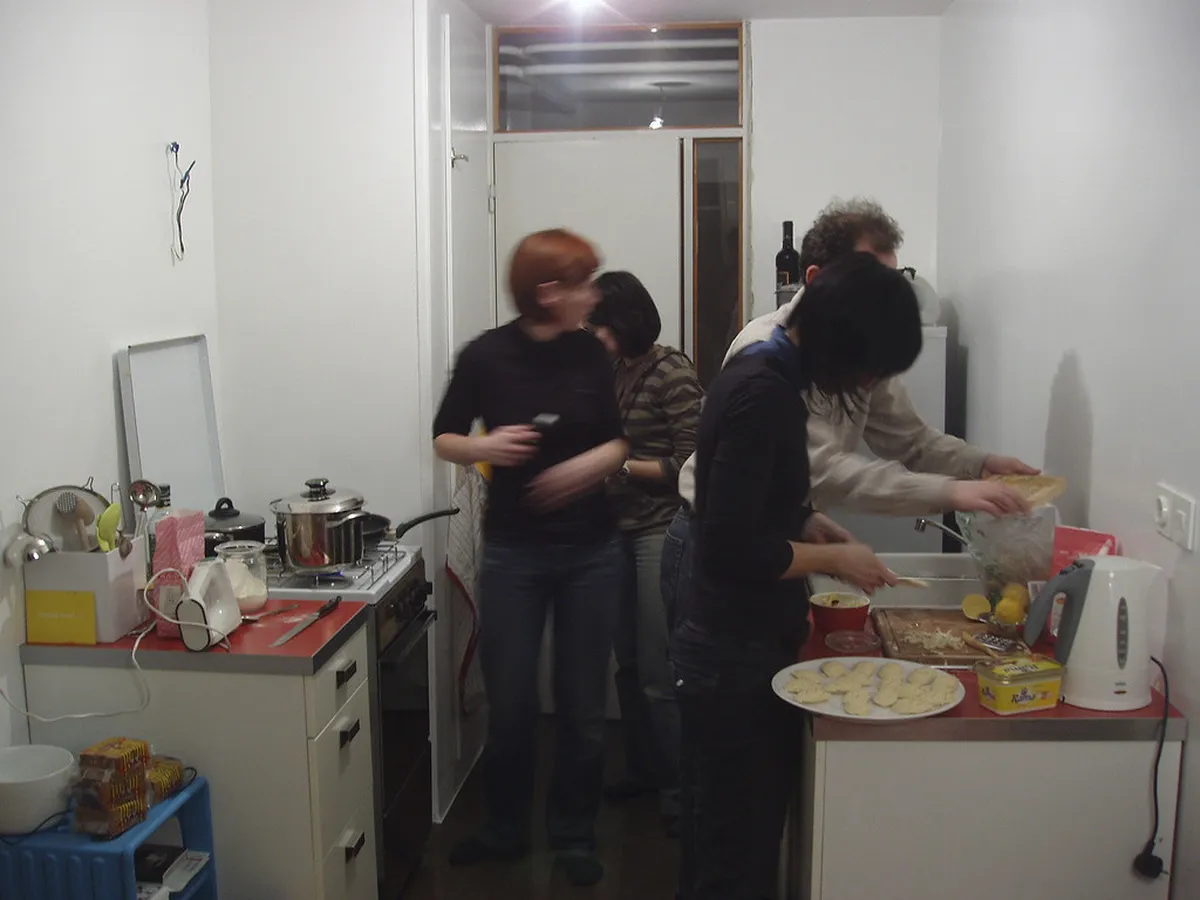
The cooking session itself typically covers two to four dishes, usually a combination of Dalmatian pasta (like black ink pasta or pljukanci), a seafood preparation, and sometimes a slow-cooked peka under a bell. Peka is a traditional Dalmatian technique where meat or seafood is placed under a cast-iron dome and buried in embers — it's the signature local method and what most people come hoping to try. The challenge is that peka takes two or more hours of cooking time, so not every class can fit it into a single session without shortcuts.
A full meal together at the end is standard across most formats, usually paired with local wine or a small beer tasting. Better classes include recipe cards in English so you can recreate the dishes at home, which adds lasting value beyond the day itself. A few premium options include a market-plus-cooking combination with a visit to a local wine cellar or olive oil producer, making the experience feel closer to a full food immersion.
- Market visit at Pazar or Split's old-town stalls
- Covers seasonal produce, seafood, and cured meats.
- Usually runs 45 to 60 minutes before cooking begins.
- Instructors explain ingredient sourcing and Dalmatian seasonality.
- Hands-on cooking of Dalmatian dishes
- Typical dishes include pljukanci pasta, black-ink pasta, or seafood buzara.
- Peka sessions require advance preparation and are not in every class.
- Group sizes under eight people give you more time at the stove.
- Shared meal with local wine or beer
- Wine pairing is included in most mid-range and premium classes.
- Budget classes may charge wine separately or offer water only.
- The shared meal typically lasts 45 to 60 minutes after cooking.
- Recipe cards and take-home tips
- Most reputable classes provide printed English-language recipes.
- Some instructors share a spice guide for sourcing ingredients abroad.
- Digital recipe cards are increasingly common in 2026.
2026 Prices and What You Actually Get
Split cooking classes in 2026 span a wide price range depending on duration, group size, and what's included. At the budget end, market-only food walks with a cooking demonstration — but no hands-on cooking — start around €35 to €50 per person. These can be a good intro to Dalmatian ingredients but leave some food-curious travelers wanting to actually cook something.
Full hands-on cook-and-eat classes, which are the most popular format, typically run between €70 and €110 per person for a group session lasting three to four hours. That price usually includes the market visit, ingredients, wine with the meal, and a recipe takeaway. Verify whether the wine is truly included or flagged as an optional add-on, because some listings use inclusive language while charging €10 to €15 extra at the end.
Private or semi-private classes with a dedicated chef instructor sit higher, usually €130 to €180 for two people combined, or €90 to €150 per person for a solo booking. The premium is justified if you want individual coaching, dietary customization, or a class timed around your itinerary rather than a fixed schedule. For couples celebrating a special occasion or serious home cooks wanting real technique transfer, the private format often delivers a clearly better return.
Who Gets the Most from a Cooking Class in Split
Cooking classes in Split work best for travelers who genuinely enjoy the process of cooking, not just eating. If your idea of a good afternoon involves standing at a stove, chatting with a local chef, and learning why Dalmatian cuisine tastes the way it does, the value proposition is strong. Couples, solo travelers, and small groups of friends consistently report the highest satisfaction — partly because of the social format and partly because they tend to stay engaged for the full session.
Families with older children — generally twelve and up — can do well in classes that cater to mixed skill levels, especially if the instructor is used to adjusting pace. Younger children may struggle with the standing time and the pace of a three-hour kitchen session, so it's worth confirming the operator's minimum age before booking. If you're travelling with a group that has mixed food interests, a cooking class works well as an anchor activity you can pair with a Split food tour on a separate afternoon.
Travelers with very limited time in Split — a single afternoon in port, for example — may find a three-to-four-hour class too long relative to other priorities. In that case, a shorter food walk or a market tour without the cooking component might make more sense as a standalone activity. That said, for most itineraries of two or more days in Split, a cooking class is one of the more memorable uses of a morning.
The Peka Verdict: Is This Worth Your Time?
Peka is often the headline draw for cooking classes in Split, and it deserves scrutiny before you book based on that promise alone. The traditional technique — placing lamb, octopus, or vegetables under a peka bell covered in embers — requires two or more hours of cooking time, which means a genuinely from-scratch peka session needs a long class. Some classes start the peka before guests arrive and present it as a "finishing" demonstration rather than a full hands-on cook, which is worth clarifying when you enquire.
Classes that do run the full peka process, with guests preparing the ingredients, seasoning the meat or seafood, and monitoring the cooking, tend to be the more memorable format. Look for sessions that explicitly state peka is cooked fresh during the class and that the total duration is at least three hours — those are the reliable signals. Read recent reviews carefully for mentions of whether the peka was pre-made or freshly prepared, as class descriptions don't always make this clear.
Our verdict: a Split cooking class that includes a genuinely hands-on peka session is worth the price for most food-curious travelers. The technique is distinctive enough that it adds real knowledge you can carry home, and the shared meal at the end anchors the experience in a way a restaurant dinner rarely does. If the class only shows you a finished peka without any real participation, that's a weaker offering — and the price should reflect that.
Booking Tips and Mistakes to Avoid
Book at least 48 hours in advance during July and August, when classes in Split fill quickly and last-minute spots disappear faster than you'd expect. Many operators cap group sizes at eight to twelve people, and the smaller classes — capped at six — tend to book out days in advance during peak summer. If your dates are fixed, locking in a session before you arrive is the safest approach.

Always ask whether wine is included in the listed price, and confirm what happens if you have dietary restrictions such as shellfish allergies or vegetarian requirements. Reputable operators will adjust the menu with notice — usually 24 to 48 hours — but some classes are set menus only, which matters if you're travelling with someone who has significant food restrictions. Combining a cooking class with a Split wine tour the same day tends to be too much for most people; spread the food activities across two days instead.
Wear comfortable clothes you don't mind getting flour or olive oil on — most classes provide aprons, but splashes happen. Arrive a few minutes early so the instructor can do a quick intro before the market walk begins; late arrivals miss the context that makes the market visit useful. If you're also planning day trips from Split, schedule the cooking class on a day you're staying in the city — it pairs well with a slow morning at Diocletian's Palace.
| Format | 2026 Price (per person) | Duration | What's Included | Wine Included? | Best For |
|---|---|---|---|---|---|
| Budget market walk & demo (no hands-on cooking) | €35–€50 | — | Market visit, cooking demonstration | No (not stated) | Travelers wanting an intro to Dalmatian ingredients without a full class |
| Full hands-on group class (cook & eat) | €70–€110 | 3–4 hours | Market visit, ingredients, hands-on cooking, shared meal, wine, recipe takeaway | Usually yes (verify — some charge €10–€15 extra) | Couples, solo travelers, small groups; most popular format |
| Private / semi-private with dedicated chef | €90–€150 (solo); €130–€180 for two combined | — | Individual coaching, dietary customisation, flexible scheduling | — | Couples celebrating a special occasion or serious home cooks wanting technique transfer |
Frequently Asked Questions
How long does a cooking class in Split typically last?
Most Split cooking classes run three to four hours, including the market visit and the shared meal at the end. Some shorter formats — two hours, demo-only — skip the market component. For a full hands-on experience with peka, expect to block out at least three and a half hours.
What dishes do you cook in a Split cooking class?
Common dishes include Dalmatian pasta like pljukanci or black-ink pasta, seafood buzara (shellfish cooked in white wine and herbs), and peka — the slow-cooked lamb or octopus specialty. Many classes also cover a local dessert such as rozata, the Croatian version of crème caramel.
Do Split cooking classes include wine?
Many classes include local Croatian wine with the shared meal, but this varies by operator and price tier. Budget sessions sometimes charge wine separately or offer only water. Always confirm inclusions before booking to avoid surprise add-ons at the end of the class.
Is a cooking class in Split suitable for beginners?
Yes — most classes are designed for complete beginners and focus on accessible techniques rather than professional skills. Instructors walk through each step clearly, and you don't need prior cooking experience to follow along. Group classes are especially beginner-friendly because the pace adjusts to the whole group.
How much does a cooking class in Split cost?
Prices in 2026 range from around €40 for a basic market walk with a cooking demo to €70–110 for a full hands-on group class with wine included. Private sessions run higher, typically €130–180 for two people. Always check whether wine, market entry, and ingredients are included in the listed price. Split adventure tours offer a different kind of active experience if cooking isn't your thing.
A Split cooking class is one of the stronger activity choices on the Dalmatian coast, particularly if you pick a format that includes a genuine market visit and real hands-on peka preparation. The combination of local sourcing, a distinctly Croatian cooking technique, and a shared meal makes for a more memorable afternoon than most standard tours. The key is choosing the right class — one that's transparent about what you'll cook, how long you'll cook it, and what's actually included in the price.
For most travelers spending two or more days in Split, a cooking class earns its spot in the itinerary. Pair it with a slower morning exploring Diocletian's Palace, and you have a well-balanced day that covers both history and food culture. If you're planning more time in the region, consider adding the best day trips from Split to round out your Dalmatia experience.
Free: The Split Essentials guide
Top things to do, where to stay, a perfect day plan, getting around, and the best time to go — a Split mini-guide you can take offline.
Plan the next decision
Continue reading
More independent guides you'll find useful