Kotor Seafood Tour: Is It Worth It in 2026?
Planning a Kotor seafood tour in 2026? We break down what's included, the real price, our honest verdict, and which tour suits you best.
On this page
Kotor Seafood Tour Verdict: What's Included & Who It's For
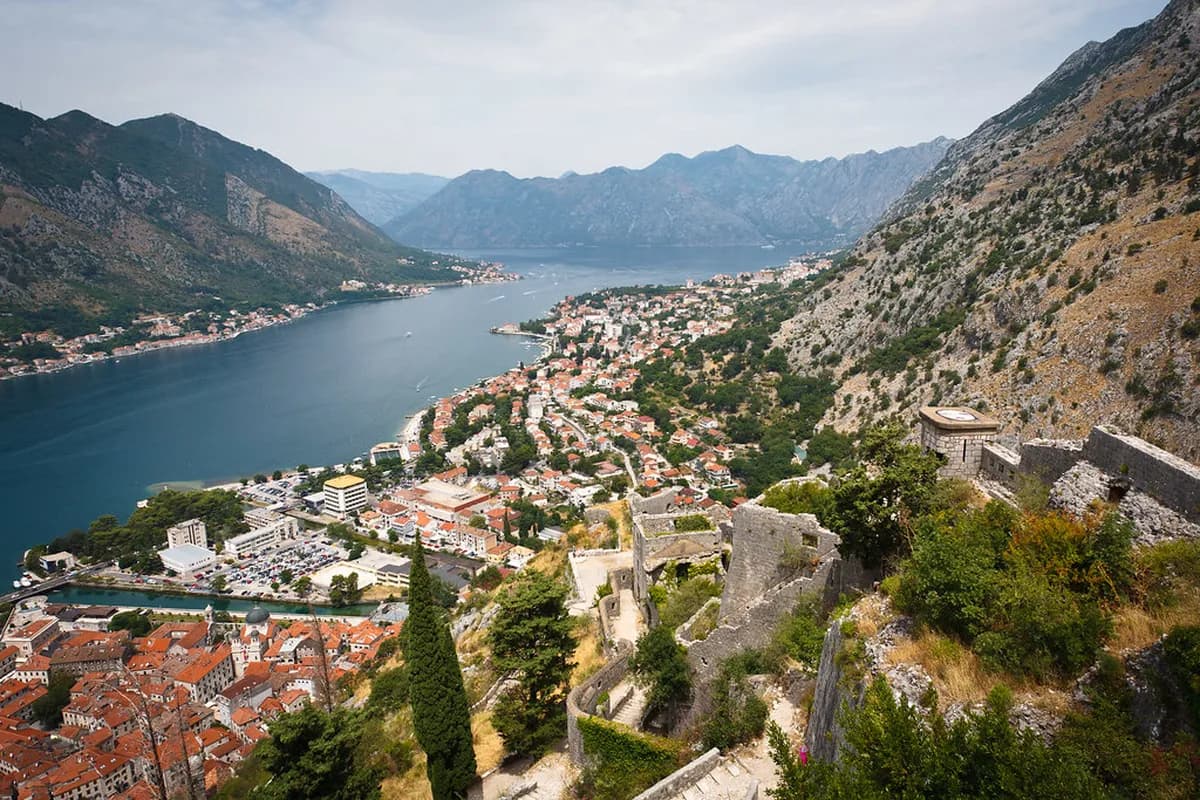
Kotor sits at the edge of one of Europe's deepest natural bays, and the water that frames its medieval walls is also what fills its menus. Boka Bay oyster farms operate just a short boat ride from the Old Town, and most of the fish served in Kotor's konobas — traditional taverns — arrives the same morning. A Kotor seafood tour is one of the faster ways to eat well here, especially if you only have a day or two and want a knowledgeable local to handle the planning.
⚡ Tour Verdict quick take: Planning a Kotor seafood tour in 2026? We break down what's included, the real price, our honest verdict, and which tour suits you best.
But not every food tour in Kotor is built equally, and some lean more on the scenery than the food. This guide breaks down what each main type of tour actually includes, what you will pay in 2026, and whether the experience beats a self-guided afternoon along the bay.
Last updated June 2026.
Free: The Kotor Essentials guide
Top things to do, where to stay, a perfect day plan, getting around, and the best time to go — a Kotor mini-guide you can take offline.
What a Kotor Seafood Tour Actually Includes
Most Kotor seafood tours follow one of two formats: a boat excursion to the oyster farms at Ljuta and Mali Ston, or a walking food tour through the Old Town that stops at three to five local spots. The boat-based tours usually run two to three hours and include a guided tasting of freshly shucked oysters, mussels, and occasionally smoked eel pulled straight from the bay. Guides explain the traditional shellfish farming methods Montenegrins have used here for generations, which adds real context to what you are eating.

Old Town walking tours tend to cover more ground in terms of dish variety, with stops for grilled fish, black risotto, prosciutto, and local cheese alongside seafood. The better tours pair tastings with small pours of Vranac red or Krstac white wine, and some finish with a shot of domestic rakija. Groups on these tours typically range from six to twelve people, though private options with just your own party are available at a higher price.
A smaller number of operators offer konoba dinner experiences, where a guide accompanies you to a reserved table at a family-run restaurant outside the tourist centre. These tend to be longer — around three hours — and include a set menu rather than individual tastings, making them better suited to people who want a proper sit-down meal rather than a series of small bites. Check what the tour lists under 'included' before booking, since some operators count a single drink as a tasting.
- Boat oyster tour (2-3 hours)
- Includes freshly shucked Boka Bay oysters and mussels at the farm.
- Usually departs from the Old Town harbour in the morning.
- Groups run small — often six to ten people per boat.
- Old Town food walking tour (2.5-3 hours)
- Covers three to five tasting stops inside the walled city.
- Combines seafood with local cheese, cured meats, and wine.
- Suits first-time visitors who want a broad taste of Montenegrin food.
- Private konoba dinner experience (3 hours)
- Reserved table at a family-run tavern away from tourist crowds.
- Set menu with multiple seafood courses and local wine pairings.
- Works best for couples or groups of four who want a relaxed pace.
Is a Kotor Seafood Tour Worth the Price?
Kotor seafood tours typically cost between €45 and €80 per person in 2026, depending on format and whether the price includes alcohol. The oyster boat tours sit at the lower end of that range, while private konoba dinners can push past €80 when wine pairings and transport are factored in. By comparison, sitting down at a well-regarded konoba in the Old Town and ordering oysters, a shared fish plate, and a bottle of Krstac white usually runs €35 to €55 per person — so the premium over going solo is real but not enormous.
The clearest argument for booking a tour is access, not food alone. Oyster farm visits are not easy to arrange independently — they require a private boat hire or a connection to one of the farming families — and the guides on the better tours genuinely know the bay's history and the people behind the farms. That context is hard to replicate by walking into a restaurant and pointing at the menu.
For travellers on a tight budget or those who are comfortable exploring independently, skipping the tour and eating at a well-chosen konoba outside the main square is a reasonable alternative. For first-time visitors, solo travellers, or anyone with only one night in Kotor, the structured format of a seafood tour removes a lot of friction and almost always delivers a more memorable meal. Our verdict: the oyster boat tours and small-group walking tours offer solid value; the private dinners depend heavily on the operator's konoba relationships, so read recent reviews carefully before booking.
Best Kotor Food Tour Options for Seafood Lovers
The most consistently well-reviewed option is a small-group boat tour that combines time on the bay with a stop at an active oyster farm and a return trip past the Church of Our Lady of the Rocks. These tours run most mornings from April through October and are easiest to book through the main Kotor food tour platforms, which aggregate vetted local operators. Morning departures are worth prioritising — the bay is calmer and the light is better for photography.
If you prefer to stay on land, the Old Town food walking tours cover a tighter radius but pack in more dish variety. The best of these dedicate at least two stops to seafood — typically grilled fresh catch and black risotto — alongside non-seafood bites for mixed groups. They also double as informal history tours, with guides covering the Venetian, Austro-Hungarian, and Ottoman layers visible in the Old Town architecture.
For travellers who want to learn rather than just eat, a Kotor cooking class focused on Adriatic recipes is worth considering as an alternative. Most classes run in a private kitchen near the Old Town, teach two to three dishes including a seafood course, and finish with a shared meal. The cooking class format suits people who want skills to take home rather than a tasting-format experience.
Operators who include transport from your hotel and keep group sizes under eight tend to score better in recent traveller reviews. Avoid tours advertised as 'seafood and wine' that list the wine as a single pour — the value proposition is much weaker than operators who include at least two wine varieties with the tasting.
Montenegrin Seafood You Should Know Before the Tour
Boka Bay oysters are the headliner on almost every seafood tour, and they earn the attention. Farmed in the clean, mineral-rich waters between Kotor and Risan, these oysters are briny and firm with a clean finish — different in character from French or Irish varieties. Most guides will tell you to eat them simply, with a squeeze of lemon and no sauce, and that advice is correct.
Beyond oysters, expect to encounter black risotto made with cuttlefish ink, grilled whole branzino or sea bream, and octopus salad dressed with olive oil and parsley. Smoked eel from the bay appears on some tours and is worth trying if you haven't had it before — the flavour is more delicate than you might expect. Many menus also include prosciutto from the Njeguši village high in the hills above Kotor, which pairs well with the seafood and breaks up the richness of a long tasting.
On the drinks side, Krstac is the local white grape variety and the obvious match for oysters and light fish dishes. Guides who know their wine will usually pour a small glass alongside the shellfish course. Rakija — a grape or plum spirit — tends to appear at the end of a meal as a digestif, and declining politely is perfectly acceptable if spirits are not your preference.
Practical Tips for Booking Your Kotor Seafood Tour
May through September is the prime window for Kotor seafood tours, with July and August bringing the most tour availability but also the largest crowds. June and September offer a better balance: warm enough for a boat trip, fewer groups competing for the same departure times, and slightly lower prices on some operators. A number of tours also run in April and October, but confirm with the operator directly as boat tours can be cancelled in rough weather.

Book at least three to five days ahead during peak summer, particularly for small-group boat tours where capacity is genuinely limited. Private experiences and konoba dinners often require a week or more lead time because the operator needs to reserve the table and confirm the day's catch with the kitchen. Last-minute availability exists in shoulder months but is not reliable for the better-reviewed tours.
Flag any dietary restrictions when booking, not on the day itself. Most operators can accommodate shellfish allergies by steering toward grilled fish stops instead, but they need advance notice to plan the route. Strict vegetarians will find most seafood tours a poor fit, though the Old Town walking tours sometimes have enough non-seafood stops to make it workable — ask the operator before paying.
If you are combining the food tour with other activities, a Kotor walking tour of the Old Town and walls pairs naturally with a morning oyster boat trip, leaving the afternoon free for the food. Some operators also bundle a short bay kayak with their seafood tour, which can be an efficient way to see the water before sitting down to eat.
Going Solo: Best Konobas for Seafood in Kotor
If you decide a tour is not for you, the Old Town has several konobas worth seeking out for a self-guided seafood meal. Konoba Scala Santa, tucked near the southern walls, is a reliable choice for grilled branzino and Boka Bay mussels — expect to pay around €12–16 for a main fish dish and €6–8 for a starter of oysters when they are in season. Tables fill quickly by 7 pm in summer, so arriving at 6 pm or booking a day ahead is worth the effort. Restaurant Galion, just outside the Old Town walls along the waterfront, has a longer menu that includes whole grilled fish by weight (typically €18–28 per kg) and a better wine list than most of its neighbours inside the city gate.
For the most affordable option with genuinely fresh catch, the small konobas along the Škaljari neighbourhood, a short walk north of the Old Town, charge noticeably less than their Old Town counterparts. Prices in that area typically run €9–13 for a fish main. Wherever you sit down, ask what came in that morning rather than ordering off the written menu — the daily catch varies, and the freshest fish is almost never printed. Pair your meal with a carafe of house Krstac white rather than bottled wine to keep the bill down and the food experience local. Budget around €35–45 per person for a full seafood meal with wine at any of these spots, which is at the lower end of what most tours charge for a shorter tasting format.
| Tour Type | Duration | 2026 Cost (per person) | What's Included | Best For / Verdict |
|---|---|---|---|---|
| Boat oyster tour | 2–3 hours | €45–€80 (lower end of range) | Freshly shucked Boka Bay oysters & mussels at the farm; guided tasting; bay history context | Best for farm access & local context; solid value — recommended |
| Old Town food walking tour | 2.5–3 hours | €45–€80 | 3–5 tasting stops; grilled fish, black risotto, cheese, cured meats; Vranac or Krstac wine; optional rakija | Best for first-time visitors wanting broad taste of Montenegrin food; solid value |
| Private konoba dinner | 3 hours | Can push past €80 (wine pairings & transport factored in) | Reserved table at family-run tavern; set menu with multiple seafood courses; local wine pairings | Best for couples or groups of four who want a relaxed pace; value depends heavily on operator — read recent reviews carefully |
| Self-guided konoba meal (DIY) | — | €35–55 | À la carte at a well-regarded konoba; no guide or farm access | Best for budget travellers or independent explorers; reasonable alternative if comfortable exploring solo |
Frequently Asked Questions
How much does a Kotor seafood tour cost in 2026?
Most Kotor seafood tours cost between €45 and €80 per person in 2026. Boat tours to the oyster farms typically land at the lower end of that range, while private konoba dinners with wine pairings push toward the higher end. Prices usually include tastings but may not include drinks beyond a single pour, so check the listing carefully before booking.
What seafood do you eat on a Kotor food tour?
Expect freshly shucked Boka Bay oysters and mussels as the centrepiece, along with grilled branzino or sea bream, black risotto made with cuttlefish ink, and octopus salad. Smoked eel and Njeguši prosciutto also appear on many tours. Wine from the local Krstac grape is a common pairing throughout.
Is it worth doing a seafood tour in Kotor instead of eating independently?
A tour adds clear value if you want to visit the oyster farms on the bay, since independent access requires a private boat hire or local contacts. For dining in the Old Town alone, an independent konoba meal costs roughly €35–55 per person — less than most tours. The structured format suits first-time visitors and anyone short on time most.
Can I do a Kotor seafood tour with dietary restrictions?
Most operators can adapt for shellfish allergies by focusing on grilled fish stops instead, but you need to flag this at least 48 hours before the tour. Strict vegetarians will find the format a poor fit. Contact the operator directly before booking to confirm what substitutions are possible for your specific needs.
Are there day trips from Kotor that combine seafood and sightseeing?
Yes — some operators pair an oyster boat tour on Boka Bay with a stop at the Church of Our Lady of the Rocks, combining seafood tastings with a short cultural visit. If you want a longer itinerary, consider a day trip from Kotor to nearby coastal towns where local restaurants serve freshly caught adriatic fish.
A Kotor seafood tour is one of the more honest-value experiences in Montenegro's tourism offering. The oyster farms on Boka Bay are genuinely special, and having a guide who knows the farmers and can explain the water conditions makes a measurable difference to what you take away from the tasting. For most visitors, the boat-based oyster tours offer the best return on the entry price.
If you are deciding between a food tour and exploring independently, think about your priorities: access to the farms and local context favour a tour, while budget and flexibility favour going solo. For anyone who values both, a morning oyster boat tour followed by a self-guided konoba dinner is a combination worth considering. Either way, eat the oysters — they are the reason to be here.
Free: The Kotor Essentials guide
Top things to do, where to stay, a perfect day plan, getting around, and the best time to go — a Kotor mini-guide you can take offline.
Plan the next decision
Continue reading
More independent guides you'll find useful