Porto Cooking Class: Is It Worth It in 2026?
Thinking about a Porto cooking class? We cover what's included, 2026 prices, and who it genuinely suits — so you can book with confidence.
On this page
Porto Cooking Class: Honest Worth-It Verdict
A Porto cooking class is one of those experiences that sounds good on paper but can easily disappoint if you book the wrong one. Porto's food culture runs deep — from custard tart bakeries in Cedofeita to working-class francesinha spots near São Bento — and the best classes give you genuine access to that tradition. The question is whether a two-hour kitchen session is worth €60 or more of your travel budget.
⚡ Tour Verdict quick take: Thinking about a Porto cooking class? We cover what's included, 2026 prices, and who it genuinely suits — so you can book with confidence.
We reviewed the main class formats available in Porto to give you an honest breakdown of costs, what's actually included, and who comes away feeling it was money well spent. No fabricated visits, no sponsored puffery — just a clear framework so you can decide for yourself. If you're weighing a cooking class against Porto food tours or a wine tasting, this guide covers the key trade-offs.
Last updated June 2026.
Free: The Porto Essentials guide
Top things to do, where to stay, a perfect day plan, getting around, and the best time to go — a Porto mini-guide you can take offline.
What a Porto Cooking Class Covers
Most Porto cooking classes run between two and four hours and center on two or three signature dishes. Pastéis de nata — the flaky custard tarts made famous by Lisbon's Pastéis de Belém but deeply embedded in Porto's café culture — appear on almost every menu. Alongside them, you'll often find caldo verde (the silky kale-and-potato soup) and bacalhau à brás, the scrambled-egg salt cod dish that appears on Porto menus everywhere. Francesinha, the city's beloved beer-and-meat sandwich smothered in a spiced tomato-beer sauce, features in dedicated masterclass formats.
Market-to-table classes add a visit to Mercado do Bolhão or Bom Sucesso market before the cook, which raises the overall time to around four hours. During the market visit, your instructor typically walks you through how Porto residents actually shop — choosing the right cod by texture, picking seasonal greens, and identifying quality olive oil. Kitchen-only formats skip the market and keep things focused on technique, which suits travelers with limited time.
Most providers supply aprons, all ingredients, printed recipe cards to take home, and a shared meal at the end. Wine or port is almost always poured during the meal portion, which makes the wrap-up feel social rather than rushed. Expect the class to be taught in English, with instructors adapting pace for beginner cooks.
How Much Does a Porto Cooking Class Cost?
In 2026, Porto cooking class prices generally fall between €45 and €100 per person for a group session. Kitchen-only classes at the lower end of that range usually run about two hours and cover one or two dishes. Market-to-table experiences at the higher end run three to four hours and include the Bolhão market visit, all ingredients, wine, and a sit-down meal.
Private classes cost considerably more — typically €120 to €200 per couple — but they let you customize the menu and move at your own pace. For a solo traveler or a pair, a private format can feel more personal and educational, especially if you want to ask detailed technique questions. Group classes with eight to twelve participants cost less but move at the speed of the slowest cook in the room.
Most reputable providers include wine or port, recipe cards, and the shared meal in the headline price. Watch for listings that advertise a low base rate but charge separately for ingredients or drinks — those add up quickly. Prices can shift with demand, so always confirm the current rate directly on the provider's booking page before assuming the figure you see on a third-party aggregator is current.
Types of Porto Cooking Classes
The market-to-table class is the most comprehensive format and the one that tends to get the strongest reviews. Starting at Mercado do Bolhão ties the ingredients to a real place in Porto's daily life, and that context makes the cooking feel more meaningful than a purely technique-focused session. This format suits travelers who want a half-day activity that combines sightseeing with hands-on learning.
- Market-to-table class (4 hrs, ~€75–€100)
- Starts with a guided walk through Mercado do Bolhão or Bom Sucesso market.
- You select fresh ingredients alongside your instructor before heading to the kitchen.
- Typical dishes include caldo verde, bacalhau preparation, and pastéis de nata.
- Ends with a shared lunch and a glass of vinho verde.
- Pastéis de nata masterclass (2 hrs, ~€45–€60)
- Focused entirely on Porto's iconic custard tart from laminated dough to the spiced custard fill.
- Smaller group sizes keep the instruction hands-on and allow more one-to-one coaching.
- You leave with the recipe and a box of your own tarts to eat later.
- A good choice for travelers who already cook regularly and want a single iconic skill.
- Francesinha masterclass (2–3 hrs, ~€55–€70)
- Covers the layered meat sandwich assembly and the notoriously complex spiced beer sauce.
- Harder to find than pastéis de nata classes but offered by several specialist providers.
- Best suited to curious eaters who want Porto's most distinctive street-food recipe to take home.
- Often includes a beer tasting alongside the sauce-making to understand the flavor pairing.
- Full Portuguese menu class (3–4 hrs, ~€65–€85)
- Covers three to four dishes across starters, a main, and a dessert in one session.
- Pacing is more relaxed than a two-hour express class, with time for questions and tasting.
- Pairs well with a morning Porto free walking tour as a full-day Porto food itinerary.
- Best for food-curious travelers who want a broad overview of Portuguese home cooking.
- Private class (2–4 hrs, €120–€200 per couple)
- Fully customizable menu — choose your dishes before the session.
- Instruction pace adjusts to your skill level without a group to wait for.
- Higher cost is offset by the undivided attention and flexibility.
- Ideal for couples celebrating a honeymoon or anniversary in Porto.
Is a Porto Cooking Class Worth It?
For most food-curious travelers, a Porto cooking class delivers solid value — particularly the market-to-table format, which packs cultural context, a hands-on skill, and a proper meal into a single morning. Compared to spending €60 on a restaurant lunch where you simply eat, a cooking class gives you the recipe, the technique, and the story behind the dish. That combination is genuinely hard to replicate from a guidebook.
The experience is weaker for travelers who either cook professionally or who have no real interest in being in a kitchen. A two-hour group class moves too quickly to teach deep technique, and experienced home cooks may find the instruction pitched at a basic level. If your goal is cultural immersion without the cooking, a guided Porto food tour covering multiple neighborhoods and local producers will feel more substantive.
Couples, small groups of friends, and solo travelers joining a group class tend to get the most out of the format. The social element — cooking alongside strangers and sharing a meal at the end — is part of the appeal for many participants. Families with children under ten may find the pace and the kitchen environment a poor fit, depending on the provider's age policy.
Our verdict: book a Porto cooking class if food is a genuine priority for your trip and you want something more active than eating. Choose market-to-table if you have a half-day free; choose the pastéis de nata masterclass if time is short but you want to leave with one concrete skill. Skip it if you're a professional cook or if kitchens hold no appeal — spend that budget on a Porto wine tour in the Douro Valley instead.
Booking Tips Most Travelers Miss
Porto cooking classes fill faster in summer (June to September) than most visitors expect, partly because Airbnb Experiences and GetYourGuide both list the same small number of reputable instructors. Booking three to seven days ahead is usually enough outside peak season, but in July and August, a week's lead time is the safer approach. Morning time slots (typically starting at 10:00 or 10:30) sell first because they align with market hours and leave the afternoon free.
Always check the provider's dietary policy before booking — most Porto cooking classes can accommodate vegetarians with advance notice, but vegan substitutions for the custard-tart filling and the egg-heavy bacalhau à brás are harder to manage. Gluten-free requests are rarely supported well because the pastry component of pastéis de nata is central to most class menus. Ask explicitly rather than assuming any restriction will be covered.
One detail the booking pages rarely flag: some market-to-table classes require you to meet your instructor at the market entrance rather than at a central location, which means arriving in Bolhão without navigating the metro first. The market sits on Rua Formosa, a ten-minute walk from São Bento station, so orientation is straightforward — but budget extra time if you're coming from Gaia or the beaches. Pairing your class with an afternoon Porto walking tour makes for a well-structured full day in the city.
Where Porto Cooking Classes Are Held
Most Porto cooking classes operate out of residential kitchens or dedicated culinary studios in Bonfim and Bairro de Cedofeita, two central neighborhoods easy to reach by metro. Bonfim sits on the Blue Line (Linha Azul); alight at Marquês and it is a five-minute walk to most studio addresses. Cedofeita is served by the Yellow Line (Linha Amarela) at the Casa da Música stop, roughly the same walking distance. A single-zone Andante card covering both areas costs around €1.85 per trip in 2026.
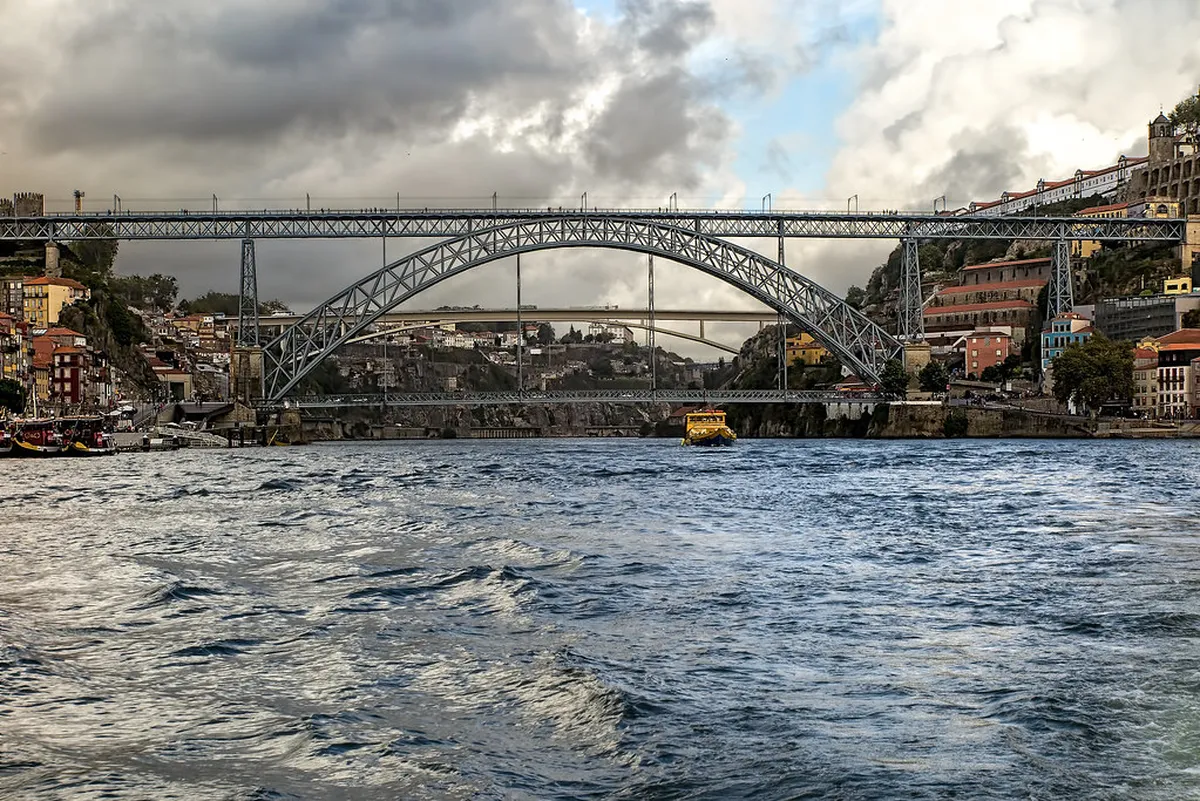
Market-to-table classes typically start at Mercado do Bolhão on Rua Formosa, which is a ten-minute walk from São Bento station (no metro stop directly at Bolhão — plan to walk from São Bento or take the 201 bus from Aliados). Ribeira-based classes are rarer but do exist; allow extra time if you are crossing from Gaia via the Dom Luís I Bridge on foot, which adds fifteen to twenty minutes depending on where you are staying. Wherever your class is held, providers should send a confirmation with the exact address and nearest transport stop — if they do not, ask before booking.
| Class Format | Duration | 2026 Price (per person) | What's Included | Best For |
|---|---|---|---|---|
| Market-to-table class | 4 hrs | ~€75–€100 | Bolhão market visit, ingredients, caldo verde / bacalhau / pastéis de nata, shared lunch, vinho verde | Travelers wanting a half-day activity combining sightseeing with hands-on learning |
| Pastéis de nata masterclass | 2 hrs | ~€45–€60 | Laminated dough & custard-fill technique, recipe card, box of your own tarts | Travelers who already cook regularly and want one iconic skill |
| Francesinha masterclass | 2–3 hrs | ~€55–€70 | Layered meat sandwich assembly, spiced beer sauce, beer tasting | Curious eaters who want Porto's most distinctive street-food recipe to take home |
| Full Portuguese menu class | 3–4 hrs | ~€65–€85 | Three to four dishes across starters, main, and dessert; relaxed pacing with tasting time | Food-curious travelers wanting a broad overview of Portuguese home cooking |
| Private class | 2–4 hrs | €120–€200 per couple | Fully customizable menu, undivided instructor attention, pace adjusted to skill level | Couples celebrating a honeymoon or anniversary in Porto |
Frequently Asked Questions
How long does a Porto cooking class typically take?
Most Porto cooking classes run two to four hours. Kitchen-only sessions focusing on one or two dishes usually take around two hours. Market-to-table formats that start at Bolhão market run closer to four hours. Both formats end with a shared meal and wine.
Do Porto cooking classes include pastéis de nata?
Yes — pastéis de nata feature in the majority of Porto cooking classes, either as the main focus or as the dessert component of a broader Portuguese menu class. Dedicated pastéis de nata masterclasses run two hours and cover laminated pastry dough and the spiced custard filling in detail.
Are Porto cooking classes suitable for beginners?
Porto cooking classes are designed for complete beginners. Instructors explain each step clearly and provide all equipment, ingredients, and printed recipes. No prior cooking experience is required. Experienced home cooks may find group-class instruction pitched at a fairly basic level and should consider a private format instead.
What is the best Porto cooking class for couples?
Couples most often enjoy the market-to-table format or a private class, both of which feel personal and unhurried. A private class lets you set the menu and move at your own pace, making it a popular choice for anniversaries and honeymoons. Group classes also work well if you're open to a social setting. Find more romantic Porto activities through Porto wine tours and tastings.
How does a Porto cooking class compare to a food tour?
A cooking class is hands-on and teaches technique, while a food tour covers more ground — multiple neighborhoods, vendors, and dishes in one walk. The cooking class gives you a recipe to take home; the food tour gives you broader cultural context. Both are worth doing if you have the time and budget for both.
A Porto cooking class earns its place in a food-focused itinerary when you pick the right format for your interests and pace. The market-to-table experience offers the strongest combination of cultural depth and hands-on learning, while the pastéis de nata masterclass is the sharpest two-hour investment for time-pressed travelers. Both formats give you something a restaurant meal alone cannot — a recipe, a technique, and a story that travels home with you.
If cooking genuinely appeals, book three to seven days ahead, confirm dietary requirements directly with the provider, and choose a morning slot to keep your afternoon flexible. Porto rewards the curious traveler who goes beyond the wine cellar and the viewpoint, and a cooking class is one of the most direct ways to connect with how the city actually eats. For everything else the city offers, explore our guides to Porto food tours and day trips from Porto to build out a complete itinerary.
Free: The Porto Essentials guide
Top things to do, where to stay, a perfect day plan, getting around, and the best time to go — a Porto mini-guide you can take offline.
Plan the next decision
Continue reading
More independent guides you'll find useful