Porto Free Walking Tour: Complete Guide 2026
Planning a Porto free walking tour? Learn how they work, what to tip, the best operators, and whether free or paid is worth it for your trip.

On this page
Porto Free Walking Tour: What to Know Before You Go
A Porto free walking tour is one of the most popular first moves for visitors arriving in the city, and for good reason. For no upfront cost, you get a two-to-three-hour guided walk through the old city with a local who can decode the azulejos, the history, and the port wine culture. The catch — and it is a real one — is that "free" is not quite the whole story.
Last updated June 2026.
⚡ Tour Verdict quick take: Planning a Porto free walking tour? Learn how they work, what to tip, the best operators, and whether free or paid is worth it for your trip.
These tours run on a tip-based model, which means the guide's income depends entirely on what each person in the group decides to pay at the end. Understanding how the system works before you show up makes the whole experience better for you and fairer for the guide. This guide covers the mechanics, the tipping norms, the best operators in Porto, and an honest verdict on when a paid Porto walking tour is the smarter investment.
Free: The Porto Essentials guide
Top things to do, where to stay, a perfect day plan, getting around, and the best time to go — a Porto mini-guide you can take offline.
How Porto Free Walking Tours Work
The tip-based model is simple: no money changes hands at the start. You sign up online or simply show up at the meeting point, join the group, and walk with a guide for two to three hours. At the end, you tip whatever you feel the tour was worth. Guides are typically self-employed or work through an operator that takes a small cut of the tips.
Most Porto free tours depart from Praça da Liberdade, in front of the Aliados metro station, usually at 10:30 a.m. or 3:00 p.m. Group sizes can range from 10 to 40 people depending on the season. Larger groups in summer can feel rushed, so booking the early-morning slot often means a more intimate pace. Tours are almost always conducted in English, with some operators offering separate Spanish or Portuguese departures.
Booking is straightforward: most operators list on their own websites and on platforms like TripAdvisor or GetYourGuide. Reserving a spot online is recommended in peak months, since some tours hit capacity and turn walk-ins away. Confirmation emails usually include the exact meeting point and what to bring.
What the Tour Covers and What It Skips
A standard free walking tour in Porto traces the historic core: the Ribeira waterfront, the Cathedral hill, Praça da Liberdade, and the area around São Bento station. Guides typically explain the azulejo tile tradition, the 1755 earthquake and Pombaline reconstruction, and the mechanics of the port wine trade. For a first-time visitor, this two-to-three-hour loop gives a solid orientation to the old city's layout and stories.
What the tour almost never covers is equally important to know. The port wine cellars on the Vila Nova de Gaia side of the river are almost always excluded — guides point across the bridge but rarely cross it. Neighborhoods like Foz do Douro, Bonfim, and Matosinhos — each with strong local character — fall outside the route entirely. If those areas matter to your trip, a Porto wine tour or a more specialized guided experience will close those gaps.
The format also shapes what you learn. Free tours tend to prioritize crowd-pleasing stories and well-lit photo spots over deep architectural or gastronomic detail. Travelers returning to Porto for a second visit often find the route too familiar and benefit more from a themed paid tour focused on food, wine, or a specific neighborhood.
Best Free Walking Tour Operators in Porto
Three operators dominate the free tour scene in Porto, each with a slightly different approach. All three have strong review track records and run daily departures in English.
- Sandemans New Europe Porto
- One of Europe's largest free-tour networks, operating in Porto for over a decade.
- Guides wear distinctive red umbrellas and meet at Praça da Liberdade at the Aliados fountain.
- Departures typically run at 10:30 a.m. and 3:00 p.m. daily; book online to guarantee a spot.
- Group sizes can be large in summer, so the early slot tends to feel less crowded.
- Porto Walkers
- A smaller, locally owned operator with a reputation for more personal group sizes.
- Guides are Porto natives who bring neighborhood-level detail to the same historic route.
- Departures meet at Praça da Liberdade; check their website for current seasonal times.
- Reviews frequently highlight the storytelling quality over the larger-network alternatives.
- Free Porto Tours
- Focused on English-language tours with a morning-only departure schedule.
- Meets at the base of the Clérigos Tower, which is a slightly less crowded starting point.
- A good option if Sandemans is fully booked on your preferred date.
- Tips are the sole income for guides, and the group tends to be smaller than the big-network tours.
Tipping Norms: What to Pay and Why
The unspoken rule on free walking tours is that a tip of €5 to €10 per person is the widely understood baseline for a solid tour. For an exceptional guide, €15 or more is reasonable and genuinely appreciated. Tipping below €5 per person — or not tipping at all — is considered poor form and undercuts a guide who just spent three hours working for your group.
Cash is strongly preferred, since most free-tour guides cannot process card payments at the end of the walk. Having small bills ready before the tour starts means you are not scrambling for an ATM at the finish line. Some operators are beginning to introduce QR-code tipping options, but cash remains the most reliable method in Porto.
Here is the honest math worth knowing: a group of 25 people each tipping €7 gives a guide €175 for a three-hour tour. That sounds solid, but guides often pay a commission to the operator and may do two tours a day in peak season without guaranteed minimums. Tipping well is not charity — it is the price of the service you received, just paid at the end instead of the beginning.
Free Tour vs Paid Tour: Our Honest Verdict
When you factor in a fair tip of €7 to €10, a free walking tour in Porto costs about the same as many budget paid options. The core difference is not price — it is structure. Paid tours cap group sizes, allow more interaction, and often include specialist knowledge that generalist free-tour guides rarely match.
For first-time visitors who want a city overview and a feel for the main neighborhoods, the free tour model works well. It sets a strong orientation baseline and costs nothing if you show up without a reservation. The flexibility is real, and the story-driven format suits travelers who prefer context over logistics.
Returning visitors, wine enthusiasts, and travelers with specific interests are usually better served by a paid specialist. A Porto food tour or a port wine cellar experience digs into layers the free-tour format cannot reach in a two-hour loop. Our verdict: do the free tour on day one to get your bearings, then book a paid experience for the deeper dive.
Tips for Getting the Most from Your Tour
Arrive at the meeting point at least 10 minutes early. Groups can be large, and standing near the front of the crowd means you hear the guide clearly and see what is being pointed out. Latecomers often find themselves at the back of a group of 30, straining to catch half the commentary.

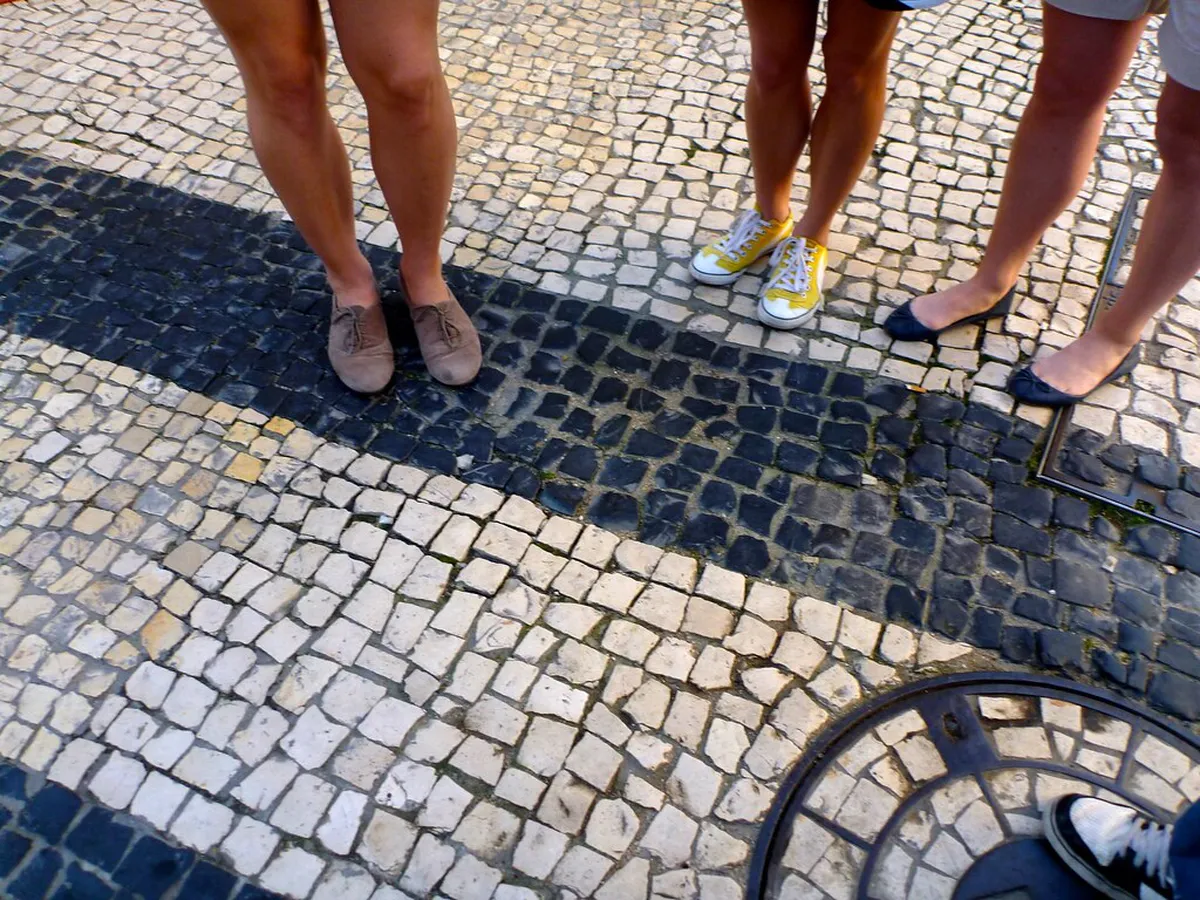
Wear comfortable shoes — Porto's historic center is built on hills, with a lot of cobblestone underfoot. Bring water, especially on a summer morning, since the tour covers a fair amount of ground without scheduled rest stops. A small daypack with sunscreen and a light layer for the river breeze keeps things comfortable.
Ask questions during the tour rather than saving them all for the end. Good free-tour guides actively welcome questions mid-walk and often weave the answer into the next stop. The best insights we have heard on Porto tours have come from questions other walkers asked, not from the scripted route. If your group is curious and engaged, guides tend to go deeper and share stories they otherwise skip.
The shoulder seasons — March to May and September to October — offer the best combination of manageable group sizes and good walking weather. July and August tours can hit maximum capacity and move faster to keep time. If you are visiting in peak summer, book the earliest morning slot and reserve online to avoid being turned away.
What to Do Immediately After the Free Tour
Most free tours finish near Praça da Ribeira, which puts you at the foot of the Dom Luís I Bridge. Crossing the upper deck on foot takes about 10 minutes and drops you directly into Vila Nova de Gaia — the neighborhood the guides point toward but never enter. This is where the major port wine cellars are, including Graham's, Sandeman, and Taylor's, which all run self-guided tastings and cellar tours daily from around 10 a.m. to 6 p.m. Entry with a tasting typically costs €12 to €20 per person; Graham's and Taylor's both have terrace views across the river that justify going beyond the cellar floor.
If wine is not the priority, the lower deck of the same bridge leads into the Gaia waterfront, where a cable car (€6 one way, €9 return) runs up to the hilltop Jardim do Morro for the best panoramic views of the Ribeira. The round trip takes about 30 minutes and makes a clean standalone afternoon activity. Alternatively, the São Bento station interior — tiled with azulejo panels depicting Portuguese history — is a five-minute walk from most tour finishing points and takes about 20 minutes to absorb properly, something the group format rarely allows.
| Operator | Meeting Point | Departures | Group Size | Best For | Tip Range |
|---|---|---|---|---|---|
| Sandemans New Europe Porto | Praça da Liberdade, Aliados fountain | 10:30 a.m. & 3:00 p.m. daily | Large (can hit 40 in summer) | Travelers who want a well-known network with daily guaranteed departures | €5–€10 (€15+ exceptional) |
| Porto Walkers | Praça da Liberdade | Check website for seasonal times | Smaller, more personal | First-timers who want neighborhood-level storytelling from Porto natives | €5–€10 (€15+ exceptional) |
| Free Porto Tours | Base of the Clérigos Tower | Morning-only | Smaller than big-network tours | Backup option when Sandemans is fully booked; less crowded starting point | €5–€10 (€15+ exceptional) |
Frequently Asked Questions
Do you have to book a Porto free walking tour in advance?
Booking online is not always required, but it is strongly recommended in summer and on weekends when tours fill quickly. Most operators accept walk-ins when space allows. Reserving a slot takes two minutes and guarantees your place, especially with popular operators like Sandemans.
How much should you tip on a free walking tour in Porto?
A tip of €5 to €10 per person is the standard range for a good tour. If the guide was exceptional, €12 to €15 is fair. Tips are the guide's sole income, so not tipping is considered genuinely poor form. Always bring cash in small bills, as card tipping is rarely available.
How long does a Porto free walking tour last?
Most Porto free walking tours run two to three hours, covering the historic core from Ribeira to Praça da Liberdade and surrounding streets. The pace is generally relaxed, with stops at key landmarks for explanation and photos. Exact duration can vary by guide and group engagement.
What is the difference between a free and a paid walking tour in Porto?
Free tours cover the city overview on a tip-based model; paid tours offer smaller groups, specialist themes, and more depth. A Porto wine tour or food-focused experience goes into areas and detail that the free-tour route cannot reach in two hours. For a first visit, free; for a deeper dive, paid.
Are Porto free walking tours good for solo travelers?
Yes — free walking tours are one of the best options for solo travelers in Porto because they require no minimum group size and naturally connect you with other visitors. They are a low-pressure way to meet fellow travelers and get initial city bearings before exploring independently.
A Porto free walking tour earns its popularity because it genuinely delivers for first-time visitors who want orientation, stories, and a feel for the city's layout. The tip-based model is fair when travelers understand the economics and pay accordingly — typically €7 to €10 for a solid two-to-three-hour tour. Go in knowing what the route covers and what it skips, and you will leave with a clear picture of where to dig deeper.
For travelers who want more than the historic core, Porto rewards exploration beyond the free-tour map. Consider adding a Porto food tour or a day out to the Douro Valley — two experiences that complement what the free walk sets up. Book your spot, bring small bills, and ask every question that comes to mind — that is the formula for getting the most out of this particular Porto institution.
Free: The Porto Essentials guide
Top things to do, where to stay, a perfect day plan, getting around, and the best time to go — a Porto mini-guide you can take offline.
Plan the next decision
Continue reading
More independent guides you'll find useful